Showing posts with label Congestive Heart Failure. Show all posts

Wednesday, December 15, 2021

7 Signs You May Be Having a Heart Attack

Prevent a heart attack from severely crippling you, leaving you hospitalized, or worse. Your ability to recognize when you may be having a heart attack or suffering from congestive heart failure can get you to appropriate medical attention before your heart simply stops.
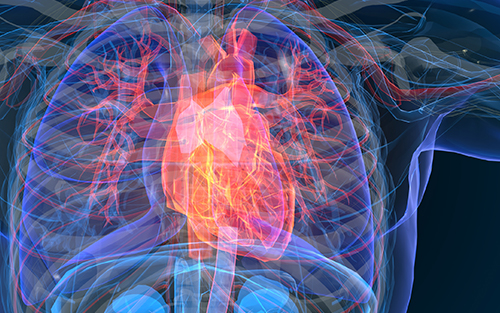
Signs of a heart attack may be difficult to recognize

yourfootpalace.com gathered the following information about 7 signs that suggest heart trouble and the need to seek immediate medical attention.

Signs of a Heart Attack

A heart attack or myocardial infarction is the damaging or death of an area of the heart muscle (myocardium) resulting from a blocked blood supply to that area. You may be on the path to heart failure without realizing it or recognizing a buildup of acute symptoms. The following are signs that you may be in danger of suffering a myocardial infarction.

1. Chest Pain or Discomfort – The vast majority of heart attacks will involve discomfort in the center or left side of the chest that lasts for more than a few minutes or dissipates and comes back. The discomfort can resemble uncomfortable pressure, squeezing, fullness, or pain.

2. Pain or Discomfort in the neck, jaw, or back – If you are experiencing unrelenting jaw pain (not tooth discomfort), you must seek urgent medical attention. This may indicate the onset of a heart attack. Jaw pain can occur as pain travels or spreads from the chest to other areas of the body. This radiating pain may also be felt in your spine, arms, back (usually a persistent radiating pain in the upper left of your back), neck, or stomach.

3. Shortness of Breath (Dyspnea) – Difficulty breathing or shortness of breath, also called dyspnea, can sometimes result from strenuous exercise or severe nasal congestion. It may also indicate a more serious heart condition or lung disease.

Note: Your shortness of breath may be a symptom of heart disease or the onset of a heart attack (in this case, shortness of breath may be accompanied by edema swelling of the feet/ankles).

Tip: If you experience severe difficulty breathing suddenly or it is accompanied by chest pain, immediately call 9-1-1 for assistance.

4. Cold Sweats – Cold sweats can be caused by multiple conditions. They’re often associated with your body’s “fight or flight” response. A cold sweat is a clear sign of sudden and significant stress, which could be either physical or psychological. Often, it is a combination of the two.
Signs of a heart attack like cold sweats may be difficult to recognize

When cold sweats are related to heart failure, know that pumping blood through obstructed or blocked arteries takes more effort from your heart. Your body sweats more in an attempt to maintain a lower body temperature during the extra physical exertion.

5. Lightheadedness – In addition to experiencing other symptoms like chest pressure or shortness of breath, you may feel dizzy or feel like you may pass out.

Note: If you take medication to control your blood pressure, this vertigo-like sensation may be the result of your body’s adjustment to the medication or a rapid drop in blood pressure.

Tip: If this condition occurs suddenly or repeatedly, contact your primary care physician immediately for instruction. If this condition is accompanied by other symptoms, call 9-1-1 for immediate medical help.

6. Heart Palpitations – When nearing or suffering a heart attack, you may feel as if your heart is skipping beats, or you may be very aware (with a heightened sensation) that your heart is beating.

7. Nausea and Vomiting – After eating or suddenly, you may feel sick to your stomach or randomly vomit. You may have these symptoms while leading up to or while suffering a heart attack.
Signs of a heart attack like nausea and vomiting may be difficult to recognize

Surviving a Heart Attack

Most heart attack survivors have coronary artery disease (CAD) and must make important lifestyle changes. There is a significant likelihood that a heart attack survivor will require daily medication (some temporary and some for the rest of your life) to prevent a future heart attack. Observe the following:

  • Go to all scheduled medical follow-ups and explain any odd feelings or sensations.
  • Adhere to prescribed medications and only alter or halt that prescription with your doctor’s consent.
  • Track your weight daily (a gain of 2Lbs in one day or 5Lbs in one week is an indication that you are retaining water)
  • Take daily blood pressure readings (120 systolic over 80 diastolic with a heart rate of 60 beats per minute is optimal for good health). Variations of these measurements should be discussed with your primary care physician. Read this article on ways to lower your blood pressure.
  • Exercise daily (your heart is a muscle, and exercising it with cardio routines will help strengthen it)
  • Change your diet to a cardio-friendly menu. Visit this menu for heart-healthy eating mayoclinic.org/diseases-conditions/heart-disease/in-depth/heart-healthy-diet/art-20046702
  • Treat yourself to frequent get-aways or spa days.
  • Avoid stressful situations or work conditions.

Note: Your heart condition may be hereditary. Even so, it may still be controlled or avoided through a healthy lifestyle, moderation, and doctor supervision.

Recognizing the Signs of a Heart Attack

In this article, you discovered essential information about the signs of myocardial infarction, more commonly known as a heart attack, what to do if you experience these signs, and what to do after such an event.

Time is everything when a heart attack happens. The ability to recognize that you are in trouble and get appropriate medical attention can prevent severe disability or even death.

Avoiding the symptoms of a heart attack may cause you to lose your cognitive abilities, your mobility, and can ultimately cost you your life.

Disclaimer

This article is in no way meant to diagnose or offer treatment for any heart failure or heart attack symptoms you may be experiencing. If you develop or already feel any of the symptoms cited in this article, you are strongly advised to seek immediate medical attention and if you have become incapacitated, suffered the loss of feeling/movement in your left arm or leg, or are experiencing severe (crushing) pain in your chest, immediately call 9-1-1 for instruction and medical assistance.

Sources:
mayoclinic.org/diseases-conditions/heart-attack/symptoms-causes/syc-20373106
cdc.gov/heartdisease/heart_attack.htm
heart.org/en/about-us/heart-attack-and-stroke-symptoms
hopkinsmedicine.org/heart_vascular_institute/conditions_treatments/conditions/shortness_breath.html
texasheart.org/heart-health/heart-information-center/topics/heart-attack-warning-signs/

Foot Palace Massage Spa Athens
196 Alps Rd Ste 31, Athens,  GA 30606
(706) 521-5290

Foot Palace Massage Spa Braselton
2095 Highway 211 NW Suite 7B, Braselton, GA 30517
(678) 963-5958

To view the original version on Foot Palace, visit: https://www.yourfootpalace.com/7-signs-you-may-be-having-a-heart-attack/

Thursday, November 18, 2021

Cankles – What They Can Mean

Avoid developing a life-threatening condition when your ankles and lower legs swell up. Edema in your lower legs and ankles may indicate a series of potential health risks.

swollen ankles can be caused by several illnesses

yourfootpalace.com gathered the following information about what causes your lower legs and ankles to swell, which treatments may work best, and when to seek medical help.

What Are Cankles

Cankles is a colloquial term (not a medical term) for the part of the leg where the ankle meets the calf without any defining contour of the ankle. It may be due to a large ankle that you are born with or swelling of the ankle. It is quite normal to have big ankles from birth, and the condition may very well be hereditary with some people.

This form of edema is not always a sign of disease. You may develop feet and ankle swelling after standing for many hours, which is not necessarily threatening. However, if you have developed swelling of your ankles and lower legs over multiple days, it is a cause for legitimate concern.

What Conditions May Cause Cankles

The following are ten reasons you may develop this type of swelling:

Pregnancy

Foot and ankle edema is a common and often recurring symptom during pregnancy. However, if you suffer from irregularly high blood pressure or you are experiencing lightheadedness, headaches, and/or shortness of breath, you may have a severe condition known as preeclampsia. Preeclampsia leads to highly elevated blood pressures that can harm your unborn child.

Congestive Heart Failure

DVT causes lower leg edema and reddening

In congestive heart failure, there is a severe weakening of the heart that causes it to circulate blood less efficiently. This impaired circulation causes fluid buildup in the blood vessels of the leg. In this case, fluids leak from the blood vessels resulting in cankles. This is a severe health condition. If you suffer from shortness of breath or find yourself in a state of confusion as well, call 911 immediately.

Kidney Disease

Kidneys filter the blood and remove waste materials from your body as urine. When you have a kidney disease or ailment that hampers its function, waste materials build up in the blood vessels. This can quickly result in the swelling of the whole body beginning from the ankles, feet, arms, and face.

Liver Disease

A disease like liver cirrhosis causes a severe decrease in body protein (albumin) levels. Without enough albumin, the fluid leaks out of the blood vessels and causes swelling in the legs, arms, and face.

Varicose Veins

You may develop cankles due to a condition like varicose veins, where the valves of the blood vessels become weak, allowing the blood to pool in the legs. This pooling of blood may lead to cankles.

Lymphedema

Irregularities in the lymphatic system may lead to the improper drainage of lymph from the body. This can appear as swelling anywhere in the body, including your arms and legs, and continuing to the feet and ankles.

Lipedema

Lipedema is the enlargement of both legs due to the depositing of fat beneath the skin. Skin bruises easily, and this swelling can be severely painful.

Deep Vein Thrombosis (DVT)

Congestive heart failure is a failing of the heart to efficiently circulate the blood in your body

Deep vein thrombosis results from the obstruction of the deep veins of one or both legs with a single or multiple blood clots. This condition results in swelling and reddening of the legs. If left untreated, it can lead to a pulmonary embolism with the lodging of the blood clot in the lungs.

Air travel

Sitting in flights for an extended time can cause a temporary swelling in the feet and legs. However, if the swelling does not recede once you return to normal activities, it may indicate a health condition, like DVT or a heart condition.

Medications

Some OTC or prescription medications can cause swelling of the legs, including the feet and ankles. These include:

  • Hormone replacement therapy
  • Estrogen-containing oral contraceptives
  • Medications that treat high blood pressure
  • Medications that treat diabetes
  • NSAIDs
  • Steroids
  • Testosterone
  • Antidepressants

Note: Consult your primary care physician before adding or subtracting any medication from your prescribed or recommended medicines.

Treatment for Cankles

The following may help you control the swelling that leads to cankles. Your doctor may prescribe one more of these to help you mitigate the swelling and discomfort caused by cankles.

  • Weight loss
  • Treat yourself to regular spa days
  • Use compression socks
  • Elevate your legs above heart level
  • Keep your legs in motion when standing for long periods

Compression socks help manage and prevent swelling

When these measures fail to relieve your edema, contact your doctor to rule out any other, potentially more serious conditions.

Cankles and Their Meaning

In this article, you discovered several reasons that can cause or contribute to the swelling of your lower extremities, the grave medical conditions they may indicate, and some treatments that may help relieve some of the symptoms.

Acting swiftly to identify and minimize the effects of cankles can help you reduce the discomfort and embarrassment of this type of swelling.

Ignoring cankles and their cause can allow other contributing factors to compound and elevate the severity of your condition, potentially resulting in hospitalization or more grave.

Sources:
urmc.rochester.edu/encyclopedia/content.aspx?contenttypeid=85&contentid=p00664
cedars-sinai.org/health-library/diseases-and-conditions/h/heart-failure.html
ft.com/content/cb458c87-2464-4d90-8460-dbdeca5e4f6b
health.harvard.edu/a_to_z/kidney-failure-a-to-z

Foot Palace Massage Spa Athens
196 Alps Rd Ste 31, Athens,  GA 30606
(706) 521-5290

Foot Palace Massage Spa Braselton
2095 Highway 211 NW Suite 7B, Braselton, GA 30517
(678) 963-5958

To view the original version on Foot Palace, visit: https://www.yourfootpalace.com/cankles-what-they-can-mean/