Showing posts with label Couples Massage. Show all posts

Thursday, April 13, 2023

Flotation Therapy Benefits and Side Effects

Need help determining if dry flotation is the right therapy for you? Understanding dry float therapy’s potential benefits and side effects will help you make informed decisions about your stress and anxiety relief options.

Dry flotation therapy benefits and side effects

yourfootpalace.com gathered essential information about the benefits and side effects of dry flotation therapy and answered some frequently asked questions.

What is Dry Flotation Therapy

Dry floatation sessions provide the mental relaxation benefits of a traditional float tank without getting wet. You lie on a warm, water-filled membrane that lowers into a bed, whereas traditional float therapy uses a tank or tub filled with water and a large quantity of Epsom salt to keep you afloat.

Traditional float therapy uses baths filled with water and Epsom salt (intended to deeply nourish, remove toxins from, and relax the body and mind). Dry flotation focuses on muscle and joint relaxation, imparting a sensation of weightlessness and deep relaxation.

Dry Flotation Benefits

Dry flotation therapy promotes deep and healthy sleep patterns

Having gained considerable popularity in recent years, dry flotation therapy has consistently demonstrated its effectiveness in health and well-being treatments and has become a popular companion therapy in day and health spas. Consider the following dry flotation therapy benefits:

  • Promotes deep and healthy sleep patterns
  • Speeded recovery time from physical exercise
  • Increase endorphins
  • Reduced blood pressure
  • Improves circulation
  • Helps combat depression
  • Reduces anxiety

Potential Side Effects

As with any form of therapy, there are potential side effects that may manifest during or after your therapy experience. Consider the following side effects to dry flotation therapy:

  • Heightened sense of smell, sound, and light
  • Nausea (more common for first-time users)

Consider the following frequently asked questions and answers when choosing to have a dry flotation therapy session:

How Many Times a Week Should You Float?

Dry flotation therapy benefits include increased relaxation

Most patients see float therapy benefits when used two or more times a week and more positive results from longer periods of routine use. The number of float sessions may differ depending on your purpose and symptoms leading you to float therapy. For some people, once a week for 2 months is sufficient to provide lasting results.

Is Float Therapy Good for Depression?

Float therapy has consistently demonstrated its effectiveness in improving sleep quality, significantly reducing stress and anxiety, and letting the body return to a healthy balance of hormones (significant in easing feelings of anxiety or depression).

Should You Shower Before or After Float Therapy?

For traditional float therapy, you must shower before and after getting in the tank. However, you will not be required to shower before or after dry flotation therapy sessions.

Is it Better to Float in the Morning or Evening?

Optimal float times will differ from person to person (depending on lifestyle and schedule). Some are better floating in the early morning, while others have their most profound and beneficial floats in the evening or late at night.

Note: Sometimes, you may feel more alert and energized, while other times, you leave your float session ready to further relax and unwind.

Should You Massage Before or After a Float?

After. Floating for an hour before a massage treatment is highly effective in preparing your muscles. By floating first, your muscles become significantly more relaxed.

Should You Float on an Empty Stomach?

You can float with a full or an empty stomach. However, to avoid the distracting sounds and feelings of your digestive tract, eating two or more hours before your float session is highly recommend.

Can You Fall Asleep During Flotation Therapy?

Yes. Falling asleep during a float therapy session does happen. However, even if you do nod off, your brain is likely in a state of hypnagogia.

Note: Hypnagogia is the transition between wakefulness and sleep. During this state, it’s normal to experience some visual, audio, or other hallucinations. During hypnagogia, it’s common to experience muscle jerks and sleep paralysis.

Discovering Dry Float Therapy

In this article, you discovered information about the benefits and side effects associated with dry float therapy and found answers to frequently asked questions.

Knowing the benefits and potential side effects of dry flotation therapy will help you make informed decisions when deciding how to support your health and well-being.

Not knowing about or trying dry float therapy may leave you without a treatment that could significantly ease your tension, anxiety, or stress.

Sources:
journals.plos.org/plosone/article?id=10.1371/journal.pone.0190292
time.com/floating
people.com/health/we-tried-it-dry-flotation-treatment

Foot Palace Massage Spa Athens

196 Alps Rd Ste 31, Athens,  GA 30606
(706) 521-5290


Foot Palace Massage Spa Braselton

2095 Highway 211 NW Suite 7B, Braselton, GA 30517
(678) 963-5958

To view the original version on Foot Palace, visit: https://yourfootpalace.com/flotation-therapy-benefits-and-side-effects/

Thursday, January 12, 2023

What is a Spa Day – Your Questions Answered

Uncertain about what happens or how to prepare yourself for a spa day? Knowing how spa days work and how to get ready for one will make your experience more relaxing and beneficial to your health and wellness.

Spa days can include several relaxing elements and activities

yourfootpalace.com gathered essential information about spa days and answered frequently asked questions about what they are and how to prepare for one.

What is a Spa Day

A day spa is a type of personal service shop used for therapeutic treatment, like massages, beauty treatments, manicure/pedicure services, and may include vending the goods, or merchandise, related to the services provided at the day spa.

Generally speaking, the treatments typically found at day spas are non-invasive and non-surgical. These are treatments that can be completed quickly or treatment packages aimed at your relaxation and rejuvenation. When you consider spa days, you should think of pampering being the primary objective.

Note: Massages and spa treatments can be powerful tools to help you regain control of your health and well-being.

For a better understanding of spa days, consider the following frequently asked questions and their answers:

1. What Happens in a Spa Day?

Spa days can include facial and skin care

Treatments that may be provided include body massages, hair, foot massages, facials, waxing, microdermabrasion, body treatments, hot stone treatments, manicures, pedicures, and aromatherapy.

2. What do You Wear to a Spa Day?

Spas typically want their guests to be comfortable, so you should wear non-restrictive clothing garments like yoga bottoms, lounge pants, loose-fitting T-shirts, sweatshirts, and hoodies are encouraged at most day spas.

3. Do You Take Off Your Clothes at a Spa?

The answer to this question depends primarily on the day spa and its services. Typically, for full-body massages and body treatments, you disrobe completely. For your convenience, these spas will provide paper undergarments to wear during body treatments.

4. What do Couples do at a Spa?

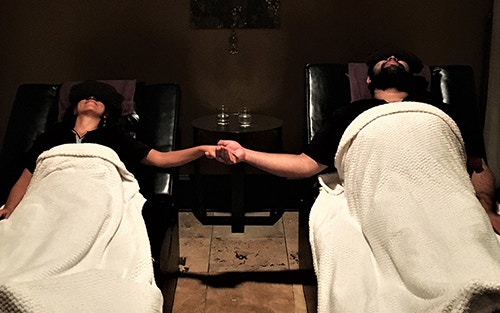
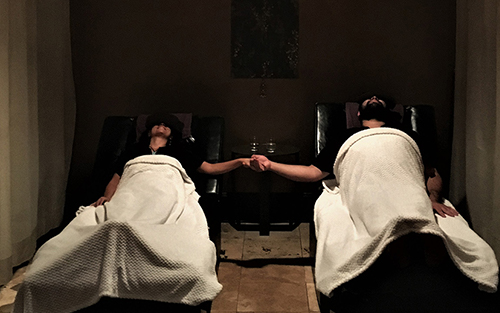
Spa days can include services for couples

When going to a full-service day spa, a couple’s massage will typically include access to showers, hot tubs, lounging areas, and all other spa amenities. Many couples’ massage treatments may have enhanced amenities like champagne, chocolates, and fruit.

5. What do I Bring to a Spa Day?

The typical spa day includes a robe, slippers, and a towel upon arrival, but in most cases, you are permitted to bring your own (if you prefer). If you intend on using the spa’s amenities, bring comfortable gym clothes, a swimsuit, or personal hygiene items like a toothbrush and deodorant.

6. Do I Need to Take a Towel to a Spa Day?

Spa days can include being offered extra towels

Good spas will provide towels and robes for use around the spa. Request an extra towel when you need a fresh and dry one. However, you should bring a spare towel to wrap around your hair or for emergencies.

7. What’s the Minimum Age for a Spa Day?

Spas do not typically permit children under 16. There are rare exceptions that have treatments for younger teenagers, but they are usually strictly limited to minimal treatments like manicures and pedicures.

8. Do You Shower Before or After a Spa?

It is crucial to shower before your scheduled spa day (this removes sweat, dead skin cells, and personal care products like cologne, perfume, and deodorant).

9. Should You Shave Before a Spa Day?

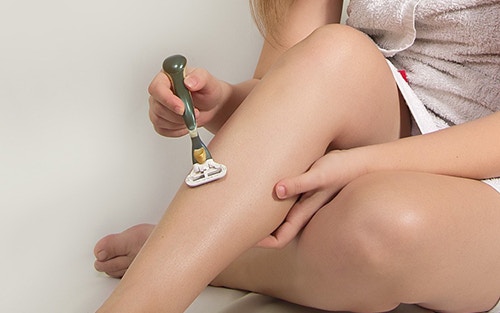
Shaving 48 hours before a spa day is acceptable

Shaving is typically recommended before your appointment. However, be sure to do so a minimum of four to six hours prior. Some products used in spa treatments may irritate newly-shaven skin.

10. What Should You Not do in a Spa?

While you may be feeling overly relaxed, oily, and sleepy, be sure you’re well-versed in spa etiquette and avoid the following:

  • Misinterpreting the spa’s dress code (ask about the dress code when booking your spa day or visit the spa’s website for instructions)
  • Using cell phones and other electronic devices
  • Shaving in the shower (this is a significant hygiene “no-no”)
  • Chatting with employees and patrons (most are there to absorb the relaxing sounds and aromatherapy – not to engage in idle conversation)
  • Tipping in the treatment room or area (tips are generally included when you purchase your package)
  • Coming on or flirting with employees and other patrons
  • Consuming alcohol or illegal substances before treatments
  • Exposing your private parts while moving about the spa

Tip: Don’t wait until the last minute to book your spa day; arrive 10 to 15 minutes early.

Spa Days

In this article, you discovered what a spa day is and found answers to your most frequently asked questions.

Understanding what services are available in a day spa and how to prepare for a spa day will help you fully absorb the relaxing benefits of the massage, environment and pampering.

Your misunderstanding about how day spas operate and how to prepare for a spa day can leave you in an awkward position, unable to benefit from the relaxing and rejuvenating setting they try to create for you.

Sources:
evergreenbeauty.edu/blog/exploring-the-different-types-of-spas/
mayoclinic.org/healthy-lifestyle/stress-management/in-depth/massage/art-20045743
ahealthiermichigan.org/2013/04/19/benefits-of-spa-treatments-for-stress-awareness-month/
nytimes.com/2020/02/25/travel/spa-etiquette.html
oprah.com/style/spa-etiquette/all

Foot Palace Massage Spa Athens

196 Alps Rd Ste 31, Athens,  GA 30606
(706) 521-5290
Foot Palace Massage Spa Braselton

2095 Highway 211 NW Suite 7B, Braselton, GA 30517
(678) 963-5958

To view the original version on Foot Palace, visit: https://yourfootpalace.com/what-is-a-spa-day-your-questions-answered/

Wednesday, December 14, 2022

What is “Me Time” and How to Use It

Keep a balance that prevents overwhelm, stress, or anxiety from impacting your happiness and well-being. Understanding the importance of “me time” and how to use it will help you combat the stress and pressures of your professional and personal life.

Me time includes periods of rest

yourfootpalace.com gathered crucial information on “me time” and which activities will promote a more healthy and enriched life.

What is “Me Time”?

Me time is the time you set aside (from work and regular activities) to be wholly present with yourself (mind, body, and spirit). Taking sufficient time to truly care for yourself is crucial to maintain your health, wellness, productivity, and good disposition.

Your mind and body need time to rest and recharge to continue serving you well. As little as 20 to 30 minutes of “me time” is restorative, but there will be periods you require 24 hours or more to fully reset your mind and body. Consider the following activities when defining how much “me time” and when to schedule it:

1. Unplug from Technology

Me time includes relaxing and reading a book

Taking a complete break from technology is easier than you think; planning is the key. Turn off all social media and correspondence notifications on your phone and designate one person who knows how to reach you in case of an emergency. Take the opportunity to indulge in a long nap or find a cozy spot and read a book.

Pick up your book (not your device), then feel and appreciate the book. Pay attention to its pages, and notice its weight and the book’s binding. Being present with things that have weight and substance (not chips and electrical currents) can be energizing and surprisingly refreshing.

2. Indulge In Your Favorite Hobby

Practice a hobby you thoroughly enjoy, whether gardening, painting, shopping, or hiking. It can be refreshing to browse catalogs related to your hobby or to research related topics.

Enroll yourself in adult education classes through university or a supplemental program. You can even choose to participate in an online course in which you can develop a new hobby or learn a new language.

3. Make it a Spa Day

Spend time on your self-care. Create a spa experience at home (take a candlelight bath), give yourself a manicure and pedicure, and use aromatherapy products (candles and incense). As you get lost in the environment you have created, take long, deep breaths while envisioning the warm water, fresh scents, and soothing music whisking away any tension or negativity you may be suppressing.

Me time includes having a spa day or massage

If this seems too much, make an appointment at a nearby spa and let professionals pamper you for the day.

4. Work on Your Fitness

Exercise can be as simple as going for a brisk walk around the block (cardio), taking a virtual yoga class (meditation), or going to the gym for an exciting aerobics or cycling class.

Tip: Go for a walk early in the morning when the air is crisp and fresh. Be aware of your steps, your surroundings, sounds, and smells. Find your inner peace in the experience.

5. Try Some New Cuisine

Visit a restaurant you have never been to and order something you have never tried. Experience an entirely new cuisine and culture.

6. Turn on the Music

Music can whisk away all your worries. Create a playlist of your favorite relaxing tracks and put it on whenever you feel anxious or stressed.

7. Meditate

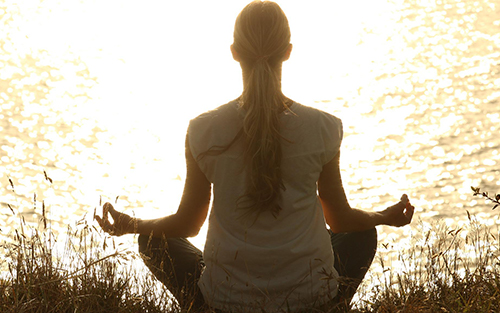
Me time includes meditation

Create a peaceful atmosphere by dimming the lights, sitting alone, and focusing on your breathing. Pay attention to your heartbeats. Clear your mind and be present to the thoughts that arise. Understand that you are not your thoughts and finally, let those thoughts go.

8. Go Swimming

Swimming can be incredibly relaxing, particularly in natural (clean and safe) lakes. If you don’t have a lake at your disposal and your only option is a public or community pool, it can still give you all the physical and mental benefits. Play in the water, float around, feel the water, and listen to it as you swim.

You can also use flotation products (air mat or pool tube) and enjoy a simple, relaxing float in the water.

9. Schedule a Massage

A good massage can help you relax, reduce anxiety, ease digestive disorders, dull headaches, resolve sleep issues, and help resolve joint pains. You can go to a spa, ask your partner to give you a full body massage or schedule a couples massage.

10. Write in Your Journal

Me time activity includes journaling

Writing (pen and paper) can be highly therapeutic. Buy yourself a journal and start writing about whatever is on your mind. Write about things that have been bothering you; write about things you love; write about your past.

Reflect on your writing and how expressing your thoughts (in written form) has given them a different perspective.

11. Go for a Drive

Find a scenic route and go on an extended road trip. Roll down your windows and enjoy the fresh air while admiring the surrounding nature.

Me Time

In this article, you discovered what “me time” is, why it is crucial to one’s health, and several activities you can include in this newfound time of self-discovery and relaxation.

Carving out time for yourself will help you better focus on your most crucial personal and professional choices while helping you remain centered and calm through even the most turbulent times.

Ignoring the need for me time will leave you overly stressed, filled with anxiety, and unable to patiently navigate challenging life experiences.

Sources:
health.harvard.edu/blog/me-time-sounds-good-but-when-exactly-2018020513212
asuonline.asu.edu/newsroom/sun-devil-life/prioritize-me-time/
extension.usu.edu/healthwellness/physical/making-time-for-self-care
socialwork.buffalo.edu/resources/self-care-starter-kit/self-care-assessments-exercises/exercises-and-activities.html

Foot Palace Massage Spa Athens

196 Alps Rd Ste 31, Athens,  GA 30606
(706) 521-5290
Foot Palace Massage Spa Braselton

2095 Highway 211 NW Suite 7B, Braselton, GA 30517
(678) 963-5958

To view the original version on Foot Palace, visit: https://yourfootpalace.com/what-is-me-time-and-how-to-use-it/

Thursday, September 22, 2022

Anxiety Definition, Causes, and Relief

Prevent slipping into depression or allowing anxiety to cause confusion and angst in your life. Knowing how to recognize and deal with anxiety will help you remove its triggers and find relief from its destructive nature.

Fear dread and uneasiness can lead to anxiety

yourfootpalace.com gathered crucial information on the definition, causes, and ways to find relief from anxiety.

What is Anxiety?

Anxiety is an overwhelming feeling of fear, dread, and uneasiness. It can cause you to sweat, feel restless and tense, and have an increased heartbeat. Anxiety can be a normal reaction to mounting stress. You might feel anxious when confronted with a family illness diagnosis, a challenging problem at work, before taking an important test, or before making a crucial decision.

Note: Anxiety can be perfectly normal in stressful situations like public speaking or taking a test. Anxiety is only an indicator of an underlying disease when your feelings become excessive, consuming, and interfere with your routines and daily living.

What Causes Anxiety?

Highly challenging experiences in childhood, adolescence, or adulthood are common triggers for anxiety problems. Experiencing stress and trauma when you’re at a very young is likely to have a tremendous and long-term impact. Experiences that can trigger anxiety problems include traumatic accidents, physical or emotional abuse, etc.

What is an Anxiety Disorder?

An anxiety disorder is a mental health condition. If you have been diagnosed with an anxiety disorder, you may respond to specific things, sounds, and situations with fear and dread. You may also experience physical signs of anxiety, like an accelerated heart rate and sweating.

It is perfectly normal to experience some anxiety. As previously mentioned, you may feel anxious or nervous if you have to tackle a problem at work, go to an interview, or make an important decision. And this anxiety can work to your benefit. Anxiety can help you notice dangerous situations and will help you focus your attention so you stay safe.

Are Anxiety Disorders Common?

Yes. Anxiety disorders are among the most common mental health conditions in the U.S. They affect about 40 million Americans. These conditions happen to nearly 30% of all adults at some point. Anxiety disorders will most often begin in childhood, adolescence, or early adulthood.

Anxiety Management and Treatment

An anxiety disorder is similar to any other health problem that requires treatment. Though tips may help in managing your anxiety, it’s not often something you can just will away; this condition is not a matter of self-discipline or attitude. Researchers have made significant progress (in the last few decades) in treating mental health conditions. Your healthcare provider can tailor a treatment plan that works for you. Your plan may combine medication and psychotherapy.

Medications for anxiety disorders often include:

• Anti-anxiety medications, like benzodiazepines, can significantly decrease your anxiety, panic, and worry. They work quickly, but your body can build up a tolerance to them and that makes them less effective with time. Your doctor may prescribe an anti-anxiety medication for the short term, then taper you off, switch the medication, or add an antidepressant to the mix.

• Antidepressants can also help you minimize or overcome anxiety disorders. They alter how your brain uses specific chemicals to improve your mood and reduce stress. Antidepressants may take some time to work, and if you feel like you need to stop taking antidepressants, talk to your provider first.

• Beta-blockers, typically used for high blood pressure, can help minimize some of the physical symptoms associated with anxiety disorders. They can slow your rapid heartbeat, reduce shaking, and stop you from trembling.

Note: Never start or cease any prescription medication without first consulting your primary care physician.

•Cognitive Behavioral Therapy (CBT) is among the most effective form of psychotherapy for anxiety disorders. This is generally a short-term treatment. CBT focuses on teaching you skills that improve your symptoms and gradually allow you to return to the activities you’ve avoided because of anxiety.

Other ways to calm your anxiety include:

  • Use some relaxation and breathing techniques (consult a licensed physical therapist)
  • Avoid caffeine (coffee, colas, chocolate, tea, etc.)
  • Avoid alcohol and unprescribed medications
  • Avoid nicotine (cigarettes, chew, snuff, cigars, etc.)
  • Adopt and maintain a healthy, balanced diet
  • Question and challenge your thoughts
  • Share your feelings with a loved one
  • Participate in regular therapy sessions
  • Relax and take regular spa days
  • Get regular couples massages with someone you can talk to
  • Maintain a regular sleep schedule
  • Increase your physical activity

Relieve anxiety with regular spa days

Finding ways to channel or avoid your anxiety quickly can help you remain stable, productive, and more self-aware.

Ways to Treat Anxiety

In this article, you discovered information about what anxiety is, what causes it, and how you can find relief.

Identifying that you have a problem with anxiety is the first crucial step to understanding it and seeking the help and treatment you may require.

Ignoring the symptoms of anxiety can leave you depressed, dwelling on your thoughts, and creating challenges in your life.

*Disclaimer: No content on this publication, page, or site, regardless of date or topic, should ever be used as a substitute for direct medical advice from your primary care physician or other qualified clinicians.

Sources:
mayoclinic.org/diseases-conditions/anxiety/diagnosis-treatment/drc-20350967
my.clevelandclinic.org/health/diseases/9536-anxiety-disorders
adaa.org/tips
medlineplus.gov/anxiety.html

Foot Palace Massage Spa Athens
196 Alps Rd Ste 31, Athens,  GA 30606
(706) 521-5290

Foot Palace Massage Spa Braselton
2095 Highway 211 NW Suite 7B, Braselton, GA 30517
(678) 963-5958

To view the original version on Foot Palace, visit: https://yourfootpalace.com/anxiety-definition-causes-and-relief/

Tuesday, August 16, 2022

Why Do My Muscles Ache

Stop suffering and living in pain due to aching muscles. Knowing why your muscles ache will help you seek help before the muscle pain becomes crippling.

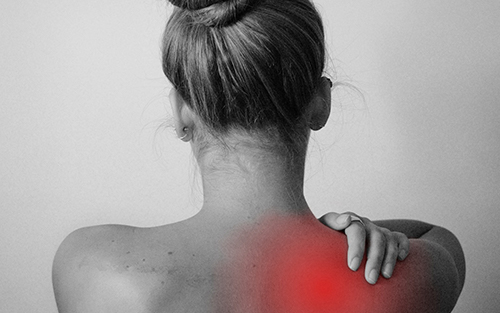
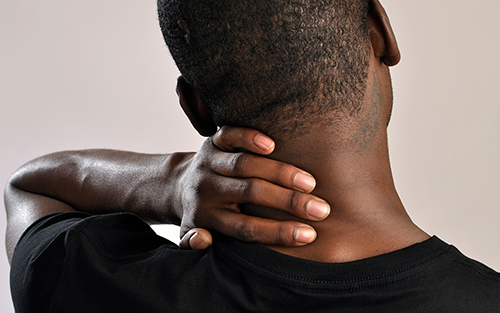
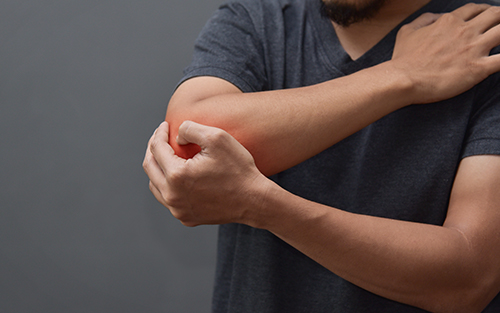
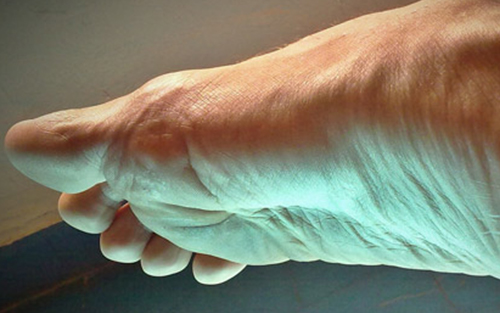
Muscle pain can occur anywhere in the body including the feet back elbows and neck

yourfootpalace.com gathered information on common reasons your muscles ache and how to make the pain and discomfort go away.

What is Muscle Pain

Muscle pain, or myalgia, is a sign, or result of an injury, infection, disease or other health problem. You may feel a deep, steady ache or random sharp pains. Some people can experience muscle pain all over, while others have it in specific areas. Everyone experiences and copes with muscle pain differently. Consider the following:

Back Pain (Dorsopathy)

Muscle pain can occur anywhere in the body including the back

Back pain can range from a single muscle aching to a severe shooting, burning, or stabbing sensation. The pain may radiate down your leg or worsen with bending, twisting, lifting, standing, or walking.

Potential Causes – Back pain can have causes that are not due to any underlying or preexisting disease or condition. Examples include overuse like working out or lifting too much, prolonged sitting, sleeping in an uncomfortable or cramped position, or wearing a poorly fitting backpack.
Treatment – Nonsteroidal anti-inflammatory drugs (NSAIDs), like ibuprofen (Advil, Motrin IB, and others) or naproxen sodium (Aleve), can help relieve back pain. Take these over-the-counter medications only when directed or prescribed by your doctor. Overuse can cause serious side effects.
When to Seek Help – If your back pain lasts more than two weeks and keeps you from participating in normal, routine activities, see your primary care physician. If your pain is severe, you should see your doctor sooner. You should seek urgent/emergency medical care if you have a fever or chest pains associated with your back pain.
Prevention – Combine exercise (walking or swimming) with specific exercises to keep your back and abdomen core muscles strong and flexible. Strengthening your core muscles will help support your spine and can help prevent back pain. Proper lifting techniques, good posture, and frequent massages can also help prevent back pain.

Neck Pain (Cervicalgia)

Muscle pain can occur anywhere in the body including the neck

People often describe this as having a stiff neck. Cervicalgia is any localized neck pain not radiating to other parts of the body. This is a common condition, as about two-thirds of all people will experience neck pain at some point in their lives.

Potential Causes – Common causes may include osteoarthritis, spinal stenosis, a herniated disc, a pinched nerve, mental and physical stress and strain, poor posture, tumors, poor sleeping position, and other health conditions.
Treatment – Alternating an ice pack with a heating pad several times for 30 minutes, gentle stretching, and massage can help relieve neck pain. Taking an over-the-counter pain medication like ibuprofen, acetaminophen, or naproxen may also help.
When to Seek Help – Seek immediate/emergency medical care if your neck pain is accompanied by numbness or weakness in your arms or hands or if you have shooting pain in your shoulders or down your arms.
Prevention – Get up and move around every half-hour. Prolonged sitting has been linked to worsening neck pain. When using your phone, a headset, earbuds, or speakerphone are excellent options to keep your head in a neutral position. And when reading a book, hold it, so you don’t have to lean down or forward to read it.

Elbow Pain (lateral epicondylitis)

Muscle pain can occur anywhere in the body including the elbow

Often called tennis elbow, this is a painful condition occurring when tendons in your elbow are overloaded or overextended, usually from repetitive wrist and arm motions. Despite the name, athletes aren’t the only people who can develop tennis elbow.

Potential Causes – A common cause of elbow pain is the inflammation of one or both of the elbow’s tendons. This is called tendonitis, and it often results from overuse. Repetitive movements from work, household chores, golf, or tennis can affect the muscles above and below the elbow and cause tendonitis.
Treatment – Applying an ice pack several times for 15 minutes, rest, compression, elevation, and massage can help relieve neck pain. Taking an over-the-counter pain medication like ibuprofen, acetaminophen, or naproxen may also help.
When to Seek Help – Seek emergency care if you detect a deformity or protruding bone in your elbow, and immediately call your doctor if you experience severe pain, trouble moving your elbow, turning your arm from palm up to palm down and vice versa, and swelling or bruising around the joint.
Prevention – Warm up properly and gently stretch your arm muscles before any physical activities or playing a sport involving repetitive arm movements. Avoid putting extra strain on your tendons.

Foot Pain (Plantar fasciitis)

Muscle pain can occur anywhere in the body including the feet

Plantar fasciitis (a common cause of heel and foot pain) is an inflammation of the fibrous tissue (plantar fascia) along the bottom of your foot, connecting your heel bone to your toes. This condition can cause intense, debilitating heel pain.

Potential Causes – Plantar fasciitis and foot pain, in general, can occur from arthritis, Injury, overuse, or conditions causing inflammation involving any of the bones, ligaments, or tendons in the foot.
Treatment – Rest your affected foot as much as possible, avoiding activities that worsen pain, and icing the affected area for up to 20 minutes multiple times daily may help relieve the pain. Taking an over-the-counter pain medication such as acetaminophen, ibuprofen, or naproxen may also help. Regular foot massages can also help accelerate your foot’s recovery.
When to Seek Help – Seek immediate medical care if you have an open wound or deformity, you experience severe pain or swelling, you can’t bear any weight on your foot, or it is showing signs of infection, like redness or fever.
Prevention – Most foot pain can be prevented by maintaining a healthy weight, avoiding high-heel shoes, wearing shoes that fit, getting regular foot massages and pedicures, and keeping yourself well-hydrated.

Preventing, treating, and relieving plantar fasciitis pain is possible, so follow the above info and end your discomfort and nagging pain.

Muscle Pain

In this article, you discovered essential information about common reasons you may experience muscle pain, how to treat it, and when to seek medical attention.

Knowing what to do when you have muscle pain will help you recover more quickly and return to your normal activities.

Ignoring your muscle pain can lead to severe injuries, immobility, and even hospitalization if left undiagnosed and untreated.

Disclaimer: No content on this publication, page, or site, regardless of date or topic, should ever be used as a substitute for direct medical advice from your primary care physician or other qualified clinician.

Sources:
my.clevelandclinic.org/health/symptoms/17669-muscle-pain
mayoclinic.org/diseases-conditions/back-pain/symptoms-causes/syc-20369906
health.harvard.edu/pain/3-tips-to-prevent-neck-pain
hopkinsmedicine.org/health/conditions-and-diseases/foot-pain-and-problems

Foot Palace Massage Spa Athens
196 Alps Rd Ste 31, Athens,  GA 30606
(706) 521-5290

Foot Palace Massage Spa Braselton
2095 Highway 211 NW Suite 7B, Braselton, GA 30517
(678) 963-5958

To view the original version on Foot Palace, visit: https://yourfootpalace.com/why-do-my-muscles-ache/

Thursday, July 14, 2022

Benefits of Massage Therapy

Keep stress, inactivity, and low energy from stealing your health and wellbeing. Knowing how regular massages can benefit your wellness will help you live a better, healthier, and happier life.

Massage therapy benefits your health and wellness in surprising ways

yourfootpalace.com gathered information on the benefits of massage therapy and how it can change your life for the better.

What is Massage Therapy?

Massage therapy is defined as muscle and other soft tissue manipulation (as by stroking, kneading, rubbing, or applying pressure with one or both hands or an instrument) by a massage therapist for therapeutic purposes.

Massage Therapy in Medicine

Massage is typically considered part of integrative medicine. Nationwide, medical centers are offering it more frequently as a supplemental treatment along with standard treatment. Massage therapy may be used for a wide range of medical conditions.

Massage Benefits

Massage therapy can benefit anyone’s health and wellness, but it can also help those with conditions like cancer, heart disease, stomach problems, and fibromyalgia. Those with a medical condition should talk to their therapist about it before your first massage session. Here are some of the benefits of massage therapy:

Massage Reduces Stress and Anxiety – The calm feeling you experience after a massage aids in significantly reducing stress and anxiety. Consider that the body has two nervous systems:

  • The sympathetic nervous system driving the “fight or flight” response in stressful situations
  • The parasympathetic nervous system focusing on routine operations that lead to rest and relaxation.

Massage therapy can increase the parasympathetic response, which decreases feelings of stress and anxiety.

Massage Lessens Fibromyalgia Symptoms – Using massage therapy over a five-week period can reduce the impact of fibromyalgia symptoms (a chronic illness causing muscle and joint pain and extreme fatigue).

Massage Relieves Pain – For those undergoing cancer (and other medical) treatments, the physical and emotional anxiety can be overwhelming. Regular massage therapy sessions are known to significantly increase relaxation and improve one’s quality of life.

Massage Reduces Muscle Tension and Pain – Massage helps lessen pain like:

  • Acute back pain
  • Neck pain
  • Headaches
  • Knee pain (knee osteoarthritis)
  • Hand arthritis
  • Sports injuries

Receiving a 60-minute massage multiple times per month will likely produce better results than fewer or more random massages.

Massage Can Improve Mental Health and Awareness – Massage therapy offers benefits for several mental health conditions, including:

  • Depression
  • Anxiety
  • Stress

Research also demonstrates that massage helps those with seasonal affective disorder (SAD) by improving one’s mood and significantly boosting energy levels. 

Massage Therapy Can Strengthen Relationships – Whether it be friendship or the love of your life, a shared massage therapy experience can significantly deepen your relationship and sense of trust in each other.

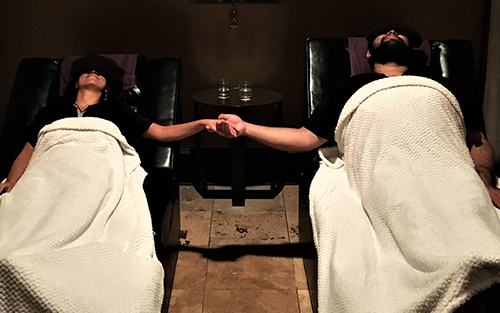
Couples massage therapy can strengthen your relationship

Read more about the benefits of couples massages at yourfootpalace.com/everything-to-know-about-couples-massage/

Massage Relieves Tension Headaches – Massage decreases the frequency and severity of tension headaches. A single massage therapy session immediately affects perceived pain in those with chronic tension headaches.

Massage Therapy Can Help You Lose Weight – Deep tissue massage promotes lymphatic flow and circulation, which significantly contribute to detoxification and weight loss. Combined with a regular exercise regimen and a well-balanced diet, massage therapy can help reduce the body’s excess fat and weight.

Surprising Benefits of Massage Therapy

It is common knowledge (and no surprise) that a well-applied massage can help you relax. However, massage therapy also has the following surprising benefits:

Massage Can Relieve Constipation – For those dealing with chronic constipation or constipation resulting from surgery, an abdominal massage may help restore more regular bowel movements.

Massage Boosts Immunity – It has been found that massage therapy boosts white blood cell counts, which play a significant role in defending the body from disease.

Massage Improves Sleep Habits – Regular massage encourages restful sleep. It also helps those challenged when trying to comfortably rest. Massage also promotes relaxation and sleep in those undergoing medical treatments like chemotherapy or radiation therapy,

Massage Counteracts Postural Stress – For those who work sitting down or spend long periods in a sitting position, more advanced forms of postural stress can appear as pain or weakness in the lower back and glutes caused by long periods of sitting. Massage can efficiently counteract this stress caused by sitting.

Known Benefits of Massage Therapy

In this article, you discovered essential information about commonly known and surprising massage therapy benefits.

Scheduling regular massage therapy sessions can lead to a staggering reduction in your stress and anxiety, leaving you more prepared to cope with the stressors of day-to-day life, injuries, and medical conditions.

Ignoring the need for massage therapy can leave you stressed and anxious over trivial matters and potentially suffering from debilitating nerve and muscle pain.

Sources:
arthritis.org/health-wellness/treatment/complementary-therapies/natural-therapies/benefits-of-massage
mayoclinic.org/tests-procedures/massage-therapy/about/pac-20384595
health.clevelandclinic.org/benefits-of-massage/
betterhealth.vic.gov.au/health/conditionsandtreatments/massage
nuhs.edu/patients/health-information/articles/top-5-health-benefits-of-regular-massage-therapy/

Foot Palace Massage Spa Athens
196 Alps Rd Ste 31, Athens,  GA 30606
(706) 521-5290

Foot Palace Massage Spa Braselton
2095 Highway 211 NW Suite 7B, Braselton, GA 30517
(678) 963-5958

To view the original version on Foot Palace, visit: https://yourfootpalace.com/benefits-of-massage-therapy/

Friday, June 17, 2022

Back Pain Relief

There are ways to avoid surrendering your mobility and happiness to debilitating back pain. Knowing how back pain occurs and how to alleviate it will help you live pain-free and prevent future occurrences.

Back pain symptoms can include physical ailments and bad posture habits

yourfootpalace.com gathered information on why we experience back pain and several ways to find relief, and how you can stop it from happening again.

Back Pain Causes

Back strains and sprains are the most typical causes of back pain. You can injure muscles, tendons, or ligaments when lifting something excessively heavy or not lifting an item in the correct manner. More sensitive people can even strain their back just by sneezing, coughing, twisting, or bending over. Other common causes of back pain include:

  • Arthritis
  • Osteoarthritis
  • Scoliosis
  • Lordosis
  • Osteomyelitis (discitis)
  • Bulging or ruptured disks
  • Poor posture habits
  • Nicotine consumption (cigarettes, vape, chew)
  • Cancer
  • Kidney failure
  • Kidney stones
  • Endometriosis
  • Fibromyalgia
  • Accidents
  • Pregnancy
  • Violent sports-related impacts

While these are all contributing causes to back pain, there are some signs that should alert you to the need to seek medical attention. These signs include:

  • Numbness, tingling, or weakness
  • Persisting pain after an accident
  • Pain is worse at certain times or in certain positions
  • Difficulties with your bowels or urination
  • Pain for more than seven days
  • The pain extends to other body parts
  • Unexplained weight loss
  • You’re running a fever

Back pain symptoms include a mild or high fever

These signs may seem innocuous, but they may indicate a far more severe condition than a simple sprain.

Tip: Avoid self-medicating with any over-the-counter medications until consulting a physician. Primarily if you are already taking any prescription medications.

Recognize Different Types of Back Pain

Back pain may be acute (short-term) or chronic (long-term). Back pain can be a sudden, sharp, and debilitating pain or a dull, annoying, and constant ache.

Acute Back Pain – This pain lasts from a couple of days to a few weeks. It is typically caused by an accident, fall, or improper lifting. Acute back pain will usually get better on its own, without any type of treatment. However, there may be times when you should seek medical care.

Chronic Back Pain – This type of back pain lasts for more than 3 months and is much less common than acute back pain. Typically, chronic back pain can be successfully treated without surgery.

Ways to Relieve Back Pain

Depending on the source and severity of your back pain, there are a few remedies that may help ease the pain or discomfort until your back returns to normal. Consider the following:

  • Cold compresses or an ice pack
  • Physical activity
  • Limited bed rest
  • Acupuncture
  • Spinal Manipulation or adjustment (Chiropractor)
  • Exercise to strengthen your core muscles
  • Massage
  • Stretch
  • Yoga
  • Meditation
  • Sleep with a pillow under your knees
  • Increase your calcium and vitamin D consumption
  • Change your shoes (less than 1-inch heels)
  • Correct your standing and sitting posture
  • Halt all nicotine consumption (cigarettes, vape, chew)
  • Lose excess weight
  • Topical rubs and ointments

Surgery may be considered for people with structural abnormalities/defects, nerve compression, or spinal cord compression. However, surgery is usually reserved for those that haven’t responded to non-surgical treatments with medication and therapy.

Note: Once considered the “gold standard” of back pain treatment, bed rest has fallen out of favor. Doctors now realize that it’s better to keep moving so muscles don’t stiffen.

Preventing Back Pain

Back pain symptoms can diminish with exercise and stretching

An intelligent approach to preventing back pain is to keep your back muscles flexible and strong. The following steps will help protect your back and prevent back pain:

  • Exercise and stretch at least 2 days a week
  • Practice proper posture by standing and sitting up straight
  • Avoid excessively heavy or awkward lifting. (When lifting from below waist level, bend your knees and keep your back straight). This makes your leg muscles do most of the work
  • Get active and eat healthily
  • Maintain a healthy weight. Being overweight can severely strain your back
  • Destress by participating in activities you enjoy

Tip: Pain and discomfort are ways that your body uses to communicate that something is not right. Masking any type of pain with over-the-counter medications or just ignoring it can exacerbate the principal cause.

Why Does My Back Hurt?

In this article, you discovered why back pain can occur, how to relieve it, when to seek medical attention, and what you can do to prevent it.

Addressing your back pain can help you relieve it, prevent the development of other, more severe health concerns, and maintain your pleasant disposition.

Ignoring or self-medicating back pain can allow it to mask more severe underlying conditions and potentially cause your debilitation or hospitalization.

Disclaimer: None of the content on this site, regardless of subject or date, should ever be used as a substitute for direct medical advice from your doctor or another qualified clinician.

Sources:
niams.nih.gov/health-topics/back-pain
health.harvard.edu/pain/home-remedies-for-low-back-pain
mayoclinic.org/diseases-conditions/back-pain/diagnosis-treatment/drc-20369911
my.clevelandclinic.org/health/diseases/7936-lower-back-pain
medlineplus.gov/backpain.html
health.gov/myhealthfinder/healthy-living/safety/prevent-back-pain
cdc.gov/acute-pain/low-back-pain/index.html

Foot Palace Massage Spa Athens
196 Alps Rd Ste 31, Athens,  GA 30606
(706) 521-5290

Foot Palace Massage Spa Braselton
2095 Highway 211 NW Suite 7B, Braselton, GA 30517
(678) 963-5958

To view the original version on Foot Palace, visit: https://yourfootpalace.com/back-pain-relief//

Thursday, May 19, 2022

9 Suggestions on How To Relax

Prevent stress and anxiety from robbing you of your peace and tranquility. Knowing how to center yourself and relax benefits your health and wellness in immeasurable ways.

Meditating can help you relax and improve your wellness

yourfootpalace.com gathered information on 9 ways you can quickly relax and regain your peaceful state of being.

1. Deep Breathing

By adjusting your breathing rate and pattern, you can stimulate the body’s parasympathetic nervous system, triggering a calming response, which decreases your heart rate, blood pressure, and muscle tension. Here’s how:

  • Sit comfortably or lie down
  • Inhale slowly through your nose until your stomach rises
  • Hold your breath and count to three
  • Exhale slowly, allowing your stomach to fall

Tip: There are many versions to this exercise. Experiment until you find one that works for you.

2. Practice Yoga

Regular yoga practice can foster mental clarity and calmness, increase body awareness, relieve chronic stress, center one’s attention, and sharpen concentration.

3. Spend Time Outdoors

You can find relaxing places all around. Just head to the beach, a park, the woods, a trail, or a quiet spot beside a stream. Most know how relaxing it is to be outside, but not everyone knows or recognizes nature’s healing effects.

4. Get a Massage

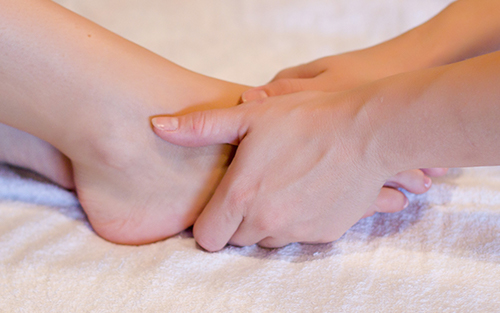
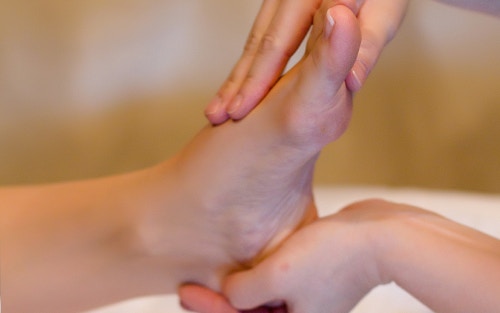
Foot massages can help you relax and improve your wellness

A massage therapist’s touch can elevate the body’s dopamine level, significantly affecting one’s inspiration, joy, and enthusiasm. Ultimately, the gentle pressure applied through massage stimulates the body’s circulation, helping you relax and rest.

Tip: Couple’s massages can help lessen mutual stressors and tension.

5. Spend Your Time Off – Off

Occupy your downtime from work with a movie, gardening activities, board games, weight lifting, sightseeing, or visiting a museum. By making time to pursue activities you enjoy, you give your mind a chance to deflect whatever makes you anxious.

6. Declutter

When you can’t find a place to store things, chances are you’ll leave them lying around so you can deal with them later. The more “stuff” you have, the more surfaces you have that collect dust and allergens. This alone can decrease the air quality in your home and creates a stressful situation when specific items or papers must be quickly located.

7. Eat Healthier

Eating healthy food can help you relax and improve your wellness

Consuming a healthier diet can lead to significant health and wellness improvements. Among the benefits of a more nutritious diet is an increased ability to resolve issues and avoid undue stress. Consider the following benefits of eating healthier:

  • Lowers risk of heart disease, type 2 diabetes, obesity, and some cancers
  • Helps the digestive system maintain proper function
  • Helps achieve and maintain a healthy weight
  • Increases skin, teeth, and eye health
  • Supports muscle growth, strengthening, and repair
  • Boosts immunity
  • Strengthens bones
  • May help you live longer

Tip: Consult your primary care physician and a nutritionist before attempting any radical or fad diets. Weight loss or weight gain should be closely monitored to prevent severe health problems.

8. Reduce Alcohol Consumption

Low and moderate doses of alcohol can increase one’s expression, happiness, and euphoria. However, over time, excessive alcohol consumption can result in the development of chronic diseases and other issues, including:

  • Digestive problems
  • Liver Disease
  • Stroke
  • Heart Disease
  • Hypertension
  • Stress
  • Anxiety

Note: Elevated alcohol consumption can also significantly contribute to the development of breast, mouth, throat, esophagus, colon, and rectum cancers.

9. Stop Smoking

While smoking may seem to temporarily relax or de-stress one’s state of being, the reality and long-term effects of tobacco consumption are substantially different. According to the Centers for Disease Control and Prevention, smoking causes or significantly contributes to:

  • Hypertension
  • Cancer
  • Heart Disease
  • Heart Failure
  • Stroke
  • Lung Diseases
  • Kidney Failure
  • Diabetes
  • Chronic Obstructive Pulmonary Disease (COPD)

Tip: Your body will begin to heal shortly after you quit smoking, and the sooner you give up the habit, the greater the benefit will be to your health and wellness.

Stress-Related Conditions

Avoiding stress can help you relax and improve your wellness

Allowing the stress of daily pressures or traumatic events to infiltrate your decisions and personal interactions can significantly contribute to the following conditions:

  • Hypertension
  • Heart Disease
  • Obesity
  • Depression
  • Anxiety
  • Gastrointestinal Disorders
  • Diabetes

Note: When you perceive danger or feel threatened, your body releases stress hormones, including adrenaline and cortisol, which prepare the body for emergency action. Subsequently, your heart rate increases, muscles tighten, blood pressure rises, breath quickens, and your senses sharpen.

How To Relax

In this article, you discovered nine easy ways to quickly get rid of stress and anxiety, leaving you on a path to better health and increased wellness.

Living a less stressful life can significantly improve your overall state of being while drastically reducing some of the contributing factors to severe health and emotional conditions.

Allowing stress to dominate your life and choices can lead to poor lifestlye decisions and debilitating conditions over time.

Sources:
hopkinsmedicine.org/health/wellness-and-prevention/9-benefits-of-yoga
cdc.gov/nutrition/resources-publications/benefits-of-healthy-eating.html
mayoclinic.org/healthy-lifestyle/nutrition-and-healthy-eating/in-depth/alcohol/art-20044551
cancer.org/healthy/stay-away-from-tobacco/health-risks-of-tobacco/health-risks-of-smoking-tobacco.html

Foot Palace Massage Spa Athens
196 Alps Rd Ste 31, Athens,  GA 30606
(706) 521-5290

Foot Palace Massage Spa Braselton
2095 Highway 211 NW Suite 7B, Braselton, GA 30517
(678) 963-5958

To view the original version on Foot Palace, visit: https://yourfootpalace.com/9-suggestions-on-how-to-relax/

Friday, April 22, 2022

9 Ways to Improve Your Heart Health

Avoid rapid decline, chronic fatigue, medical emergencies, and premature mortality due to poor heart health. Knowing what to do or change in your lifestyle to strengthen your heart can significantly alter how you age and relate to other people.

Improving heart health includes steps to relax and increase physical activities

yourfootpalace.com gathered information on how to improve your heart health while living a healthier, more active life.

About Your Heart

Your heart will beat approximately 2.5 billion times over your lifetime, pumping millions of gallons of blood to each part of your body. This steady flow carries oxygen, fuel, hormones, and essential cells throughout your body. It also contributes to the removal of metabolic waste products. When the heart fails or stops, some essential functions immediately fail.

Given the heart’s continuous workload, how it performs so well, for so long, and for so many people is utterly astonishing. That said, it can also fail, damaged by poor dietary habits, a lack of exercise, smoking, infection, etc.

Your heart is a muscle that responds to physical and mental stimuli. How it copes with these stimuli depends entirely on how healthy it is. Consider the following ways to significantly improve your heart’s health:

1. Increase Your Physical Activity

For some, this may be a significant challenge. If you haven’t been physically active in the past, you can get the ball rolling with the following and work your way up:

  • Park your car farther away, resulting in a longer distance to walk to work or home
  • On rainy days, try walking indoors at a gallery or mall (no excuses)
  • Wake up early and exercise before your day starts
  • Climb the stairs instead of riding an elevator
  • Spend portions of your break-times walking

Note: Wearable digital fitness trackers can help you count your steps. Increase your daily steps by 500/week until reaching 10,000 steps per day. This level of daily steps can produce immediately noticeable health benefits.

2. Quit Smoking

Increase your lifespan. Do you really need another reason? Consider this:

Only 20 minutes after you stop smoking, your blood pressure and heart rate reduce. Then, in about 3 weeks, your circulation begins to improve. Your odds of heart disease are also immediately reduced. After a year without tobacco use, you’re 50% less likely to develop heart disease.

Note: For those who complain that their breathing worsened after quitting smoking, here’s a bit of vital knowledge: Smoking inflames the lining of your airways, but when you quit, you are no longer inhaling the toxic substances that irritated your airways, which allows the healing process to begin.

3. Consume Foods High in Fiber

Improving heart health includes consuming healthy food

Fiber is a carbohydrate that your body cannot break down. However, high-fiber foods may have other heart-health benefits, like reducing your blood pressure and inflammation. Fiber comes in insoluble and soluble varieties, and both are firmly linked to heart health:

Insoluble Fiber – This type of fiber is found in whole grains, wheat cereals, and vegetables like carrots, celery, and tomatoes.

Soluble Fiber – This fiber is found in barley, oatmeal, beans, nuts, and fruits like apples, berries, citrus fruits, and pears.

Note: A high-fiber diet can contribute to reducing the risk of heart disease and diabetes.

4. Adjust Your Sodium Intake

Excessive sodium intake, insufficient sodium intake, and high blood pressure are significant risk factors for developing or worsening existing heart failure. Balancing your salt intake may profoundly reduce these risks.

Consult your primary care physician or a nutritionist to figure out diet adjustments that can control and balance your sodium intake.

Note: For those considering a complete sodium removal from their diet: When sodium levels drop too low in the body, you can experience muscle cramps, nausea, vomiting, and vertigo-like dizziness. Eventually, this lack of salt may result in shock, coma, and death.

5. Control Your Weight

A normal and healthy Body Mass Index (BMI) measures between 20 and 25. Your risk of heart disease increases as your BMI increases. A BMI of 25 to 30 (considered overweight) has a higher risk, and a BMI of 30 to 35 (considered obese) is exponentially higher.

Note: Body mass index (BMI) is a measure of body fat based on height and weight that applies to adult men and women.

Tip: Consult your primary care physician, a nutritionist, and a certified personal trainer to get your BMI under control.

6. Manage Your Stress

Improving heart health includes getting relaxing couples massages

Your body’s stress response might help you work harder and stay awake longer, but stress becomes a problem when stressors continue without relief or periods of relaxation. Some of the physical symptoms of stress can include:

  • Aches and pains
  • Chest pain
  • Exhaustion or trouble sleeping
  • Headaches, dizziness, or shaking
  • High blood pressure
  • Stomach or digestive problems

Ways to relieve stress and control anxiety include:

  • Meditate
  • Laugh more
  • Take a spa day
  • Get a foot massage
  • Connect with others
  • Get a couples massage
  • Get active
  • Get sufficient sleep

Prolonged periods of stress and anxiety have been linked to high blood pressure and heart disease.

7. Avoid Alcohol

Excessive alcohol consumption can lead to high blood pressure, heart failure, or stroke. Alcohol can also contribute to obesity and the exhausting list of health problems associated with it.

Moderate drinking can be defined as one drink per day for women and one or two for men. One drink constitutes 12 ounces of beer, 4 ounces of wine, or 1.5 ounces of 80-proof spirit.

Tip: Some people should avoid alcohol altogether if they have certain heart rhythm abnormalities or have heart failure.

8. Monitor Your Blood Pressure

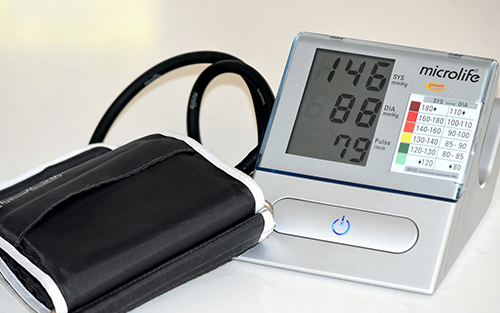
Improving heart health includes monitoring your blood pressure

In many cases, severe damage caused by high blood pressure (HBP or hypertension) occurs with time. Left undetected or uncontrolled, high blood pressure can lead to heart attack, stroke, heart failure, vision loss, kidney failure, sexual dysfunction, etc.

You can control high blood pressure by making simple lifestyle changes which include:

  • Lose extra pounds and watch your BMI
  • Start exercising regularly
  • Eat a healthier diet
  • Reduce sodium in your diet
  • Limit the amount of alcohol you drink
  • Quit smoking
  • Reduce caffeine consumption

Note: Regular or normal blood pressure is widely considered to be 120 (systolic)/80 (diastolic). If your blood pressure is higher or lower than 120/80, you should consult with your primary care physician for advice.

Tip: Blood pressure monitors are commonly found in pharmacies everywhere. After purchasing one, take it to your doctor’s office to verify that it is working and calibrated properly.

9. Visit Your Primary Care Physician Regularly

Annual checkups and follow-ups after medical procedures are a vital component of your overall health. With heart conditions or illnesses that lead to heart conditions, your best deterrent is early detection and treatment.

BONUS TIP: Manage Your Diabetes

If you have diabetes, you are twice as likely to develop heart disease or suffer a stroke than someone without. The longer you have diabetes, the more likely you are to develop heart disease.

Consult a diabetes care and education specialist for personalized help avoiding health complications such as heart disease. Find out more about how diabetes education can help you take the best care of yourself by asking your doctor for a referral if you don’t already have a diabetes educator.

Heart Health

In this article, you discovered several ways to significantly improve your heart health and live a healthier, more active lifestyle.

Taking action early in life to improve your heart health can significantly increase your quality of life and help you avoid debilitating heart conditions.

Ignoring your heart health can lead to heart failure, heart attack, stroke, organ failure, and early mortality.

Sources:
heart.org
health.harvard.edu/topics/heart-health
health.gov/myhealthfinder/topics/health-conditions/heart-health/keep-your-heart-healthy
mayoclinic.org/healthy-lifestyle/nutrition-and-healthy-eating/in-depth/high-fiber-foods/art-20050948
nhlbi.nih.gov/health/educational/lose_wt/BMI/bmicalc.htm
cdc.gov/healthyweight/assessing/bmi/adult_bmi/index.html
hopkinsmedicine.org/health/wellness-and-prevention/alcohol-and-heart-health-separating-fact-from-fiction

Foot Palace Massage Spa Athens
196 Alps Rd Ste 31, Athens,  GA 30606
(706) 521-5290

Foot Palace Massage Spa Braselton
2095 Highway 211 NW Suite 7B, Braselton, GA 30517
(678) 963-5958

To view the original version on Foot Palace, visit: https://yourfootpalace.com/9-ways-to-improve-your-heart-health//

Wednesday, March 16, 2022

Sleep Apnea Definition, Symptoms, and Treatment

Prevent sleep apnea from making you toss and turn all night long – robbing you of restorative rest and sleep. Knowing how to identify an issue with sleep apnea will help you seek out the correct treatment.

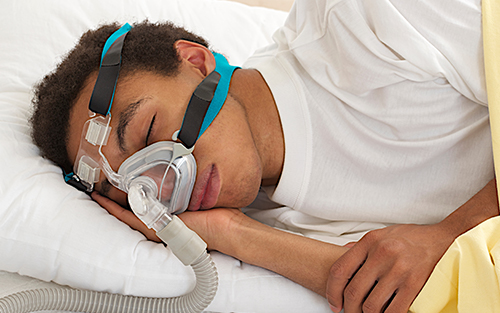
Sleep apnea treatment involves a cpap device

yourfootpalace.com gathered information about the definition, multiple symptoms, and treatments for sleep apnea.

What is Sleep Apnea?

Sleep apnea is defined as a sleeping disorder potentially leading to severe health problems, like high blood pressure and heart issues. Untreated sleep apnea causes one’s breathing to stop repeatedly during sleep, causing snoring and daytime sleepiness, even after a whole night’s sleep. Sleep apnea may affect anyone, but it occurs most often with older, overweight men.

Types of sleep apnea include:

Obstructive Sleep Apnea (OSA) – This is the more common form, occurring when throat muscles relax. This type of sleep apnea is classified as follows:

  • Mild obstructive sleep apnea means that your AHI (apnea-hypopnea index) is between 5 and 15
  • Moderate obstructive sleep apnea means that your AHI is between 15 and 30
  • Severe obstructive sleep apnea means that your AHI is greater than 30 (more than 30 episodes per hour)

Central Sleep Apnea – This form of sleep apnea occurs when your brain isn’t sending proper signals to the muscles that control your breathing.

Complex Sleep Apnea Syndrome – Finally, this form of sleep apnea occurs when someone has both obstructive sleep apnea and central sleep apnea.

Note: Sleep apnea occurs in about 3 percent of normal-weight individuals but affects over 20 percent of overweight or obese people. Typically, sleep apnea affects more men than women. Sleep apnea is frequently linked to heart disease and metabolic issues like diabetes.

Sleep Apnea Symptoms

Frequently, the initial signs of OSA are not detected by the patient but by their bed partner. Many of those affected by OSH have no sleep complaints. Common signs and symptoms of OSA include:

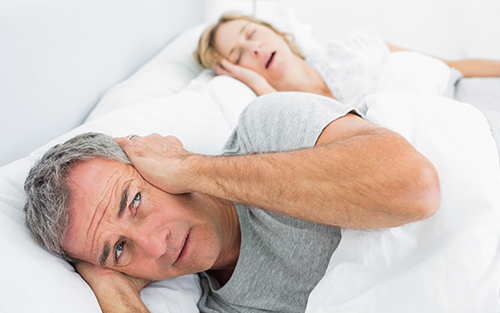
A symptom of sleep apnea is snoring

  • Snoring.
  • Daytime sleepiness or fatigue.
  • Cognitive impairment, such as trouble concentrating, forgetfulness, or irritability.
  • Mood disturbances (depression or anxiety).
  • Night sweats.
  • Frequent nighttime urination.
  • Sexual dysfunction.
  • Headaches.
  • Restlessness during sleep, frequent nighttime awakenings.
  • Sudden awakenings with a sensation of gasping or choking.
  • Dry mouth or sore throat upon awakening.
  • People with central sleep apnea often report recurrent awakenings or insomnia; they may also experience a choking or gasping sensation upon awakening.

Sleep Apnea Treatment

It is widely understood that regular exercise and a heart-healthy diet are the most essential activities for your cardiovascular health. However, it has become increasingly evident that your sleep quality is also critical to your heart’s wellbeing.

Positive Airway Pressure Devices – Positive airway pressure machines, known as CPAP (Continuous Positive Airway Pressure) machines, are the most commonly used treatment method for moderate and severe sleep apnea.

Note: The mask, when worn properly during sleep, supplies pressurized air, flowing continuously or intermittently to the sleeper’s esophagus. The increased air pressure prevents the sleeper’s airway from collapsing.

PAP machines eliminate snoring in addition to treating obstructive sleep apnea.

Oral Appliances – Oral appliances for sleep apnea treatment continue to increase in popularity. These appliances are worn in the mouth, similar to a sports mouthguard or an orthodontic appliance, while you sleep. Such oral appliances hold the lower jaw slightly forward, so the airway remains open and prevents the tongue and muscles in the upper airway from blocking the airway.

The American Academy of Sleep Medicine (AASM) recommends oral appliances for those with severe OSA who cannot tolerate or wear a CPAP device. Another option for people with severe OSA is combination therapy (wearing CPAP and an oral appliance together).

Advantages of Oral Appliance Therapy – Oral appliance therapy is an effective, non-invasive treatment that can conform to your lifestyle. Patients generally prefer oral appliance therapy because it is:

  • Comfortable
  • Quiet
  • Portable
  • Convenient for travel
  • Easy to clean and care for

Weight Loss – Around 70 percent of people suffering from obstructive sleep apnea are overweight or obese. Health care professionals typically recommend for them to lose weight.

Note: In some situations, physicians may prescribe weight loss medications to overweight or obese patients with OSA.

Spa Day and Massage – Spa days or massages should already be a part of your weekly or monthly routines. They can provide you with the following benefits:

Regular spa days enhance your sleep

  • Helps to De-Stress
  • Releases Serotonin and Dopamine
  • Helps With Anti-Aging
  • Reduced Headaches
  • Helps to Relieve Pain
  • Helps to Smooth Skin
  • Helps to Make Skin More Radiant
  • Enhances Sleep

Note: In addition, Massages can help ease arthritis or muscle tension pain, stimulate blood flow, and boost circulation.

Disclaimer: If you experience any of the above symptoms or detect any irregularities in your sleeping habits or health, it is highly recommended that you immediately consult your primary care physician for evaluation, advice, and treatment.

Sleep Apnea

In this article, you discovered essential information about sleep apnea, its definition, symptoms, and treatment options.

Recognizing and seeking help for sleep apnea can help you live a healthier life with more restorative sleep and reduced risk of heart, lung, and other organ trouble.

Ignoring sleep apnea symptoms can lead to severe and debilitating conditions, including heart failure and even death.

Sources:
my.clevelandclinic.org/health/diseases/8718-sleep-apnea
sleepapnea.org/treat/sleep-apnea-treatment-options/
mayoclinic.org/diseases-conditions/sleep-apnea/symptoms-causes/syc-20377631
hopkinsmedicine.org/health/wellness-and-prevention/the-dangers-of-uncontrolled-sleep-apnea
aasm.org/oral-appliance-therapy-clinical-guideline-published-jointly-by-aasm-and-aadsm/

Foot Palace Massage Spa Athens
196 Alps Rd Ste 31, Athens,  GA 30606
(706) 521-5290

Foot Palace Massage Spa Braselton
2095 Highway 211 NW Suite 7B, Braselton, GA 30517
(678) 963-5958

To view the original version on Foot Palace, visit: https://yourfootpalace.com/sleep-apnea-definition-symptoms-and-treatment/

Tuesday, February 22, 2022

Aging Feet Changes and Common Problems

Prevent your aging feet from robbing you of your mobility and health. Knowing how and why our feet change as we age helps us avoid painful problems as we get older.

Aging feet begin to appear wrinkled and develop physical problems

yourfootpalace.com gathered the following information about how your feet change as you age, common foot problems you encounter as you age, and what you can do to prevent your feet from failing you.

How Aging Feet Change

Your feet progressively change in elasticity the same way other body parts do as they age. Tissue loosens, causing an increase in width and sagging or flattening arches. Consider the following commonly occurring foot problems:

Neuropathy – Symptoms of foot neuropathy include weakness, numbness, tingling, and sharp, jabbing, throbbing, or burning pain typically resulting from nerve damage.

Diabetes – With time, diabetes can cause severe nerve damage, commonly referred to as diabetic neuropathy. When you lose feeling in your feet, you can end up with cuts and sores on them from foreign objects (you cannot feel) in your socks or shoes. These cuts and sores can become infected.

Diabetes may lower the amount of blood flow to your feet. Without enough blood flowing to your legs and feet, sores and infections take considerably longer to heal. Often, bad infections never heal, resulting in gangrene and the potential loss of the foot or leg.

Sagging Arches – When arches sag, your weight is shifted toward the big toes, resulting in sore spots. Sagging arches can also alter the angle of each heel bone, leaving heel tendons (Achilles tendons) and muscles in your legs and back tight from a lack of natural stretching.

Arthritis – The most common form of arthritis is osteoarthritis, which is generally associated with aging. Other risk factors for osteoarthritis include joint injury, obesity, genetics, and anatomic factors such as joint shape and alignment. Frequent symptoms of foot and ankle arthritis include the following:

  • Reduced Mobility
  • Joint Stiffness
  • Joint Swelling
  • Tenderness and/or Pain

Note: While arthritis is commonly associated with aging individuals, it may also afflict younger adults.

Common Foot Problems

Aging takes an often severe toll on your feet (as it does with the rest of your body). Given the impossible amount of stress we place on our feet throughout a lifetime. From that perspective, it’s easier to understand why foot problems occur. Some of the more common foot problems seen in aging adults include:

  • Bunions (a bony bump that forms on the joint at the base of your big toe.)
  • Corns and Calluses (thick, hardened layers of skin)
  • Hammertoes (an abnormal bend in the middle joint of a toe)
  • Seborrheic Keratosis (a common noncancerous (benign) skin growth)
  • Ingrown, thickened, or discolored nails

Regular visits with a podiatrist can help you prevent common problems while maintaining your foot health as you age.

Aging Feet – Care and Prevention

Aging feet require more care and attention

Don’t dismiss foot pain as being a fleeting or temporary condition. Many will live with persistent foot pain or refuse to seek medical attention until the pain and discomfort compel them to seek help.  Any foot pain should never be considered normal. If you are experiencing such pain and discomfort, see a foot specialist sooner than later so it can be diagnosed and treated.

Remain vigilant over your physical health. Watch your feet for wounds, numbness, or excessive swelling. Any of these can be symptoms of severe conditions requiring immediate medical attention. Other ways to prevent problems with your feet include:

  • Remain active by stretching in the morning to reduce joint stiffness.
  • See your primary care physician or podiatrist if you experience any pain or swelling
  • Lose weight to reduce foot stress
  • Adjust your diet to prevent diabetes and other (food-related) disorders
  • Monitor your blood pressure (120 systolic over 80 diastolic is ideal)
  • Keep your feet clean and dry
  • Have frequent pedicures to protect your feet’s hygiene
  • Wear comfortable shoes, especially when walking long distances
  • Have frequent foot massages
  • If you smoke, stop

Aging feet need more care and attention like frequent massages

Note: Consider purchasing or having custom orthotics made.  Orthotics or shoe inserts can provide support for falling arches and increase foot comfort.

Mature Feet

In this article, you discovered how your feet change as you get older, the more common problems found in aging feet, and how to keep your feet in excellent health.

Paying attention to minor changes in your feet will help you take appropriate action to prevent debilitating conditions and preserve your mobility as you get older.

Ignoring your foot health can lead to diminished mobility, painful conditions, and poor overall health and wellness.

Sources:
connect.uclahealth.org/2018/08/06/coping-with-the-changes-your-feet-undergo-as-you-age/
reidhealth.org/blog/how-to-care-for-aging-feet
health.clevelandclinic.org/shoes-getting-tight-feet-change-size-time/
mayoclinic.org/diseases-conditions/peripheral-neuropathy/symptoms-causes/syc-20352061

Foot Palace Massage Spa Athens
196 Alps Rd Ste 31, Athens,  GA 30606
(706) 521-5290

Foot Palace Massage Spa Braselton
2095 Highway 211 NW Suite 7B, Braselton, GA 30517
(678) 963-5958

To view the original version on Foot Palace, visit: https://yourfootpalace.com/aging-feet-changes-common-problems/