Showing posts with label Massage Places in Athens Ga. Show all posts

Thursday, April 13, 2023

Flotation Therapy Benefits and Side Effects

Need help determining if dry flotation is the right therapy for you? Understanding dry float therapy’s potential benefits and side effects will help you make informed decisions about your stress and anxiety relief options.

Dry flotation therapy benefits and side effects

yourfootpalace.com gathered essential information about the benefits and side effects of dry flotation therapy and answered some frequently asked questions.

What is Dry Flotation Therapy

Dry floatation sessions provide the mental relaxation benefits of a traditional float tank without getting wet. You lie on a warm, water-filled membrane that lowers into a bed, whereas traditional float therapy uses a tank or tub filled with water and a large quantity of Epsom salt to keep you afloat.

Traditional float therapy uses baths filled with water and Epsom salt (intended to deeply nourish, remove toxins from, and relax the body and mind). Dry flotation focuses on muscle and joint relaxation, imparting a sensation of weightlessness and deep relaxation.

Dry Flotation Benefits

Dry flotation therapy promotes deep and healthy sleep patterns

Having gained considerable popularity in recent years, dry flotation therapy has consistently demonstrated its effectiveness in health and well-being treatments and has become a popular companion therapy in day and health spas. Consider the following dry flotation therapy benefits:

  • Promotes deep and healthy sleep patterns
  • Speeded recovery time from physical exercise
  • Increase endorphins
  • Reduced blood pressure
  • Improves circulation
  • Helps combat depression
  • Reduces anxiety

Potential Side Effects

As with any form of therapy, there are potential side effects that may manifest during or after your therapy experience. Consider the following side effects to dry flotation therapy:

  • Heightened sense of smell, sound, and light
  • Nausea (more common for first-time users)

Consider the following frequently asked questions and answers when choosing to have a dry flotation therapy session:

How Many Times a Week Should You Float?

Dry flotation therapy benefits include increased relaxation

Most patients see float therapy benefits when used two or more times a week and more positive results from longer periods of routine use. The number of float sessions may differ depending on your purpose and symptoms leading you to float therapy. For some people, once a week for 2 months is sufficient to provide lasting results.

Is Float Therapy Good for Depression?

Float therapy has consistently demonstrated its effectiveness in improving sleep quality, significantly reducing stress and anxiety, and letting the body return to a healthy balance of hormones (significant in easing feelings of anxiety or depression).

Should You Shower Before or After Float Therapy?

For traditional float therapy, you must shower before and after getting in the tank. However, you will not be required to shower before or after dry flotation therapy sessions.

Is it Better to Float in the Morning or Evening?

Optimal float times will differ from person to person (depending on lifestyle and schedule). Some are better floating in the early morning, while others have their most profound and beneficial floats in the evening or late at night.

Note: Sometimes, you may feel more alert and energized, while other times, you leave your float session ready to further relax and unwind.

Should You Massage Before or After a Float?

After. Floating for an hour before a massage treatment is highly effective in preparing your muscles. By floating first, your muscles become significantly more relaxed.

Should You Float on an Empty Stomach?

You can float with a full or an empty stomach. However, to avoid the distracting sounds and feelings of your digestive tract, eating two or more hours before your float session is highly recommend.

Can You Fall Asleep During Flotation Therapy?

Yes. Falling asleep during a float therapy session does happen. However, even if you do nod off, your brain is likely in a state of hypnagogia.

Note: Hypnagogia is the transition between wakefulness and sleep. During this state, it’s normal to experience some visual, audio, or other hallucinations. During hypnagogia, it’s common to experience muscle jerks and sleep paralysis.

Discovering Dry Float Therapy

In this article, you discovered information about the benefits and side effects associated with dry float therapy and found answers to frequently asked questions.

Knowing the benefits and potential side effects of dry flotation therapy will help you make informed decisions when deciding how to support your health and well-being.

Not knowing about or trying dry float therapy may leave you without a treatment that could significantly ease your tension, anxiety, or stress.

Sources:
journals.plos.org/plosone/article?id=10.1371/journal.pone.0190292
time.com/floating
people.com/health/we-tried-it-dry-flotation-treatment

Foot Palace Massage Spa Athens

196 Alps Rd Ste 31, Athens,  GA 30606
(706) 521-5290


Foot Palace Massage Spa Braselton

2095 Highway 211 NW Suite 7B, Braselton, GA 30517
(678) 963-5958

To view the original version on Foot Palace, visit: https://yourfootpalace.com/flotation-therapy-benefits-and-side-effects/

Thursday, January 12, 2023

What is a Spa Day – Your Questions Answered

Uncertain about what happens or how to prepare yourself for a spa day? Knowing how spa days work and how to get ready for one will make your experience more relaxing and beneficial to your health and wellness.

Spa days can include several relaxing elements and activities

yourfootpalace.com gathered essential information about spa days and answered frequently asked questions about what they are and how to prepare for one.

What is a Spa Day

A day spa is a type of personal service shop used for therapeutic treatment, like massages, beauty treatments, manicure/pedicure services, and may include vending the goods, or merchandise, related to the services provided at the day spa.

Generally speaking, the treatments typically found at day spas are non-invasive and non-surgical. These are treatments that can be completed quickly or treatment packages aimed at your relaxation and rejuvenation. When you consider spa days, you should think of pampering being the primary objective.

Note: Massages and spa treatments can be powerful tools to help you regain control of your health and well-being.

For a better understanding of spa days, consider the following frequently asked questions and their answers:

1. What Happens in a Spa Day?

Spa days can include facial and skin care

Treatments that may be provided include body massages, hair, foot massages, facials, waxing, microdermabrasion, body treatments, hot stone treatments, manicures, pedicures, and aromatherapy.

2. What do You Wear to a Spa Day?

Spas typically want their guests to be comfortable, so you should wear non-restrictive clothing garments like yoga bottoms, lounge pants, loose-fitting T-shirts, sweatshirts, and hoodies are encouraged at most day spas.

3. Do You Take Off Your Clothes at a Spa?

The answer to this question depends primarily on the day spa and its services. Typically, for full-body massages and body treatments, you disrobe completely. For your convenience, these spas will provide paper undergarments to wear during body treatments.

4. What do Couples do at a Spa?

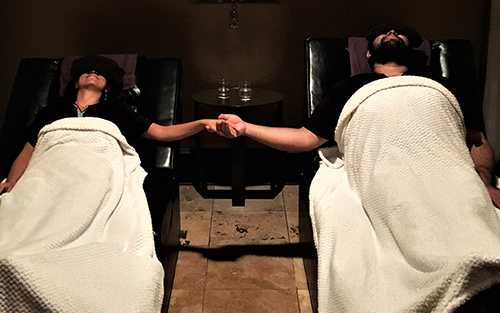
Spa days can include services for couples

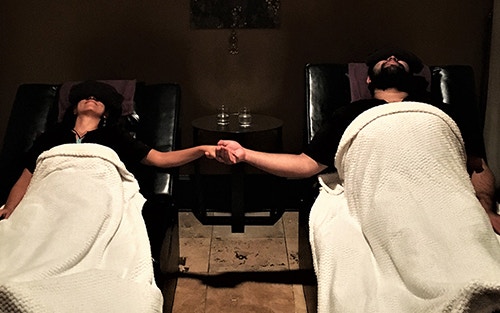
When going to a full-service day spa, a couple’s massage will typically include access to showers, hot tubs, lounging areas, and all other spa amenities. Many couples’ massage treatments may have enhanced amenities like champagne, chocolates, and fruit.

5. What do I Bring to a Spa Day?

The typical spa day includes a robe, slippers, and a towel upon arrival, but in most cases, you are permitted to bring your own (if you prefer). If you intend on using the spa’s amenities, bring comfortable gym clothes, a swimsuit, or personal hygiene items like a toothbrush and deodorant.

6. Do I Need to Take a Towel to a Spa Day?

Spa days can include being offered extra towels

Good spas will provide towels and robes for use around the spa. Request an extra towel when you need a fresh and dry one. However, you should bring a spare towel to wrap around your hair or for emergencies.

7. What’s the Minimum Age for a Spa Day?

Spas do not typically permit children under 16. There are rare exceptions that have treatments for younger teenagers, but they are usually strictly limited to minimal treatments like manicures and pedicures.

8. Do You Shower Before or After a Spa?

It is crucial to shower before your scheduled spa day (this removes sweat, dead skin cells, and personal care products like cologne, perfume, and deodorant).

9. Should You Shave Before a Spa Day?

Shaving 48 hours before a spa day is acceptable

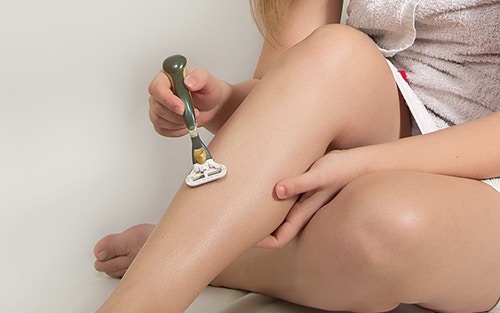
Shaving is typically recommended before your appointment. However, be sure to do so a minimum of four to six hours prior. Some products used in spa treatments may irritate newly-shaven skin.

10. What Should You Not do in a Spa?

While you may be feeling overly relaxed, oily, and sleepy, be sure you’re well-versed in spa etiquette and avoid the following:

  • Misinterpreting the spa’s dress code (ask about the dress code when booking your spa day or visit the spa’s website for instructions)
  • Using cell phones and other electronic devices
  • Shaving in the shower (this is a significant hygiene “no-no”)
  • Chatting with employees and patrons (most are there to absorb the relaxing sounds and aromatherapy – not to engage in idle conversation)
  • Tipping in the treatment room or area (tips are generally included when you purchase your package)
  • Coming on or flirting with employees and other patrons
  • Consuming alcohol or illegal substances before treatments
  • Exposing your private parts while moving about the spa

Tip: Don’t wait until the last minute to book your spa day; arrive 10 to 15 minutes early.

Spa Days

In this article, you discovered what a spa day is and found answers to your most frequently asked questions.

Understanding what services are available in a day spa and how to prepare for a spa day will help you fully absorb the relaxing benefits of the massage, environment and pampering.

Your misunderstanding about how day spas operate and how to prepare for a spa day can leave you in an awkward position, unable to benefit from the relaxing and rejuvenating setting they try to create for you.

Sources:
evergreenbeauty.edu/blog/exploring-the-different-types-of-spas/
mayoclinic.org/healthy-lifestyle/stress-management/in-depth/massage/art-20045743
ahealthiermichigan.org/2013/04/19/benefits-of-spa-treatments-for-stress-awareness-month/
nytimes.com/2020/02/25/travel/spa-etiquette.html
oprah.com/style/spa-etiquette/all

Foot Palace Massage Spa Athens

196 Alps Rd Ste 31, Athens,  GA 30606
(706) 521-5290
Foot Palace Massage Spa Braselton

2095 Highway 211 NW Suite 7B, Braselton, GA 30517
(678) 963-5958

To view the original version on Foot Palace, visit: https://yourfootpalace.com/what-is-a-spa-day-your-questions-answered/

Wednesday, December 14, 2022

What is “Me Time” and How to Use It

Keep a balance that prevents overwhelm, stress, or anxiety from impacting your happiness and well-being. Understanding the importance of “me time” and how to use it will help you combat the stress and pressures of your professional and personal life.

Me time includes periods of rest

yourfootpalace.com gathered crucial information on “me time” and which activities will promote a more healthy and enriched life.

What is “Me Time”?

Me time is the time you set aside (from work and regular activities) to be wholly present with yourself (mind, body, and spirit). Taking sufficient time to truly care for yourself is crucial to maintain your health, wellness, productivity, and good disposition.

Your mind and body need time to rest and recharge to continue serving you well. As little as 20 to 30 minutes of “me time” is restorative, but there will be periods you require 24 hours or more to fully reset your mind and body. Consider the following activities when defining how much “me time” and when to schedule it:

1. Unplug from Technology

Me time includes relaxing and reading a book

Taking a complete break from technology is easier than you think; planning is the key. Turn off all social media and correspondence notifications on your phone and designate one person who knows how to reach you in case of an emergency. Take the opportunity to indulge in a long nap or find a cozy spot and read a book.

Pick up your book (not your device), then feel and appreciate the book. Pay attention to its pages, and notice its weight and the book’s binding. Being present with things that have weight and substance (not chips and electrical currents) can be energizing and surprisingly refreshing.

2. Indulge In Your Favorite Hobby

Practice a hobby you thoroughly enjoy, whether gardening, painting, shopping, or hiking. It can be refreshing to browse catalogs related to your hobby or to research related topics.

Enroll yourself in adult education classes through university or a supplemental program. You can even choose to participate in an online course in which you can develop a new hobby or learn a new language.

3. Make it a Spa Day

Spend time on your self-care. Create a spa experience at home (take a candlelight bath), give yourself a manicure and pedicure, and use aromatherapy products (candles and incense). As you get lost in the environment you have created, take long, deep breaths while envisioning the warm water, fresh scents, and soothing music whisking away any tension or negativity you may be suppressing.

Me time includes having a spa day or massage

If this seems too much, make an appointment at a nearby spa and let professionals pamper you for the day.

4. Work on Your Fitness

Exercise can be as simple as going for a brisk walk around the block (cardio), taking a virtual yoga class (meditation), or going to the gym for an exciting aerobics or cycling class.

Tip: Go for a walk early in the morning when the air is crisp and fresh. Be aware of your steps, your surroundings, sounds, and smells. Find your inner peace in the experience.

5. Try Some New Cuisine

Visit a restaurant you have never been to and order something you have never tried. Experience an entirely new cuisine and culture.

6. Turn on the Music

Music can whisk away all your worries. Create a playlist of your favorite relaxing tracks and put it on whenever you feel anxious or stressed.

7. Meditate

Me time includes meditation

Create a peaceful atmosphere by dimming the lights, sitting alone, and focusing on your breathing. Pay attention to your heartbeats. Clear your mind and be present to the thoughts that arise. Understand that you are not your thoughts and finally, let those thoughts go.

8. Go Swimming

Swimming can be incredibly relaxing, particularly in natural (clean and safe) lakes. If you don’t have a lake at your disposal and your only option is a public or community pool, it can still give you all the physical and mental benefits. Play in the water, float around, feel the water, and listen to it as you swim.

You can also use flotation products (air mat or pool tube) and enjoy a simple, relaxing float in the water.

9. Schedule a Massage

A good massage can help you relax, reduce anxiety, ease digestive disorders, dull headaches, resolve sleep issues, and help resolve joint pains. You can go to a spa, ask your partner to give you a full body massage or schedule a couples massage.

10. Write in Your Journal

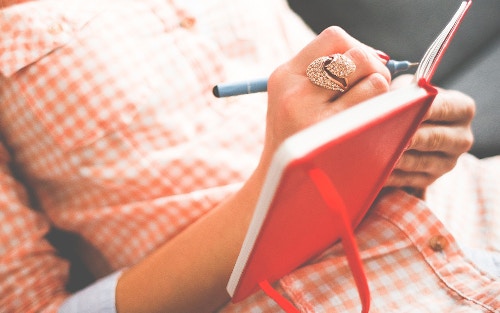
Me time activity includes journaling

Writing (pen and paper) can be highly therapeutic. Buy yourself a journal and start writing about whatever is on your mind. Write about things that have been bothering you; write about things you love; write about your past.

Reflect on your writing and how expressing your thoughts (in written form) has given them a different perspective.

11. Go for a Drive

Find a scenic route and go on an extended road trip. Roll down your windows and enjoy the fresh air while admiring the surrounding nature.

Me Time

In this article, you discovered what “me time” is, why it is crucial to one’s health, and several activities you can include in this newfound time of self-discovery and relaxation.

Carving out time for yourself will help you better focus on your most crucial personal and professional choices while helping you remain centered and calm through even the most turbulent times.

Ignoring the need for me time will leave you overly stressed, filled with anxiety, and unable to patiently navigate challenging life experiences.

Sources:
health.harvard.edu/blog/me-time-sounds-good-but-when-exactly-2018020513212
asuonline.asu.edu/newsroom/sun-devil-life/prioritize-me-time/
extension.usu.edu/healthwellness/physical/making-time-for-self-care
socialwork.buffalo.edu/resources/self-care-starter-kit/self-care-assessments-exercises/exercises-and-activities.html

Foot Palace Massage Spa Athens

196 Alps Rd Ste 31, Athens,  GA 30606
(706) 521-5290
Foot Palace Massage Spa Braselton

2095 Highway 211 NW Suite 7B, Braselton, GA 30517
(678) 963-5958

To view the original version on Foot Palace, visit: https://yourfootpalace.com/what-is-me-time-and-how-to-use-it/

Thursday, July 14, 2022

Benefits of Massage Therapy

Keep stress, inactivity, and low energy from stealing your health and wellbeing. Knowing how regular massages can benefit your wellness will help you live a better, healthier, and happier life.

Massage therapy benefits your health and wellness in surprising ways

yourfootpalace.com gathered information on the benefits of massage therapy and how it can change your life for the better.

What is Massage Therapy?

Massage therapy is defined as muscle and other soft tissue manipulation (as by stroking, kneading, rubbing, or applying pressure with one or both hands or an instrument) by a massage therapist for therapeutic purposes.

Massage Therapy in Medicine

Massage is typically considered part of integrative medicine. Nationwide, medical centers are offering it more frequently as a supplemental treatment along with standard treatment. Massage therapy may be used for a wide range of medical conditions.

Massage Benefits

Massage therapy can benefit anyone’s health and wellness, but it can also help those with conditions like cancer, heart disease, stomach problems, and fibromyalgia. Those with a medical condition should talk to their therapist about it before your first massage session. Here are some of the benefits of massage therapy:

Massage Reduces Stress and Anxiety – The calm feeling you experience after a massage aids in significantly reducing stress and anxiety. Consider that the body has two nervous systems:

  • The sympathetic nervous system driving the “fight or flight” response in stressful situations
  • The parasympathetic nervous system focusing on routine operations that lead to rest and relaxation.

Massage therapy can increase the parasympathetic response, which decreases feelings of stress and anxiety.

Massage Lessens Fibromyalgia Symptoms – Using massage therapy over a five-week period can reduce the impact of fibromyalgia symptoms (a chronic illness causing muscle and joint pain and extreme fatigue).

Massage Relieves Pain – For those undergoing cancer (and other medical) treatments, the physical and emotional anxiety can be overwhelming. Regular massage therapy sessions are known to significantly increase relaxation and improve one’s quality of life.

Massage Reduces Muscle Tension and Pain – Massage helps lessen pain like:

  • Acute back pain
  • Neck pain
  • Headaches
  • Knee pain (knee osteoarthritis)
  • Hand arthritis
  • Sports injuries

Receiving a 60-minute massage multiple times per month will likely produce better results than fewer or more random massages.

Massage Can Improve Mental Health and Awareness – Massage therapy offers benefits for several mental health conditions, including:

  • Depression
  • Anxiety
  • Stress

Research also demonstrates that massage helps those with seasonal affective disorder (SAD) by improving one’s mood and significantly boosting energy levels. 

Massage Therapy Can Strengthen Relationships – Whether it be friendship or the love of your life, a shared massage therapy experience can significantly deepen your relationship and sense of trust in each other.

Couples massage therapy can strengthen your relationship

Read more about the benefits of couples massages at yourfootpalace.com/everything-to-know-about-couples-massage/

Massage Relieves Tension Headaches – Massage decreases the frequency and severity of tension headaches. A single massage therapy session immediately affects perceived pain in those with chronic tension headaches.

Massage Therapy Can Help You Lose Weight – Deep tissue massage promotes lymphatic flow and circulation, which significantly contribute to detoxification and weight loss. Combined with a regular exercise regimen and a well-balanced diet, massage therapy can help reduce the body’s excess fat and weight.

Surprising Benefits of Massage Therapy

It is common knowledge (and no surprise) that a well-applied massage can help you relax. However, massage therapy also has the following surprising benefits:

Massage Can Relieve Constipation – For those dealing with chronic constipation or constipation resulting from surgery, an abdominal massage may help restore more regular bowel movements.

Massage Boosts Immunity – It has been found that massage therapy boosts white blood cell counts, which play a significant role in defending the body from disease.

Massage Improves Sleep Habits – Regular massage encourages restful sleep. It also helps those challenged when trying to comfortably rest. Massage also promotes relaxation and sleep in those undergoing medical treatments like chemotherapy or radiation therapy,

Massage Counteracts Postural Stress – For those who work sitting down or spend long periods in a sitting position, more advanced forms of postural stress can appear as pain or weakness in the lower back and glutes caused by long periods of sitting. Massage can efficiently counteract this stress caused by sitting.

Known Benefits of Massage Therapy

In this article, you discovered essential information about commonly known and surprising massage therapy benefits.

Scheduling regular massage therapy sessions can lead to a staggering reduction in your stress and anxiety, leaving you more prepared to cope with the stressors of day-to-day life, injuries, and medical conditions.

Ignoring the need for massage therapy can leave you stressed and anxious over trivial matters and potentially suffering from debilitating nerve and muscle pain.

Sources:
arthritis.org/health-wellness/treatment/complementary-therapies/natural-therapies/benefits-of-massage
mayoclinic.org/tests-procedures/massage-therapy/about/pac-20384595
health.clevelandclinic.org/benefits-of-massage/
betterhealth.vic.gov.au/health/conditionsandtreatments/massage
nuhs.edu/patients/health-information/articles/top-5-health-benefits-of-regular-massage-therapy/

Foot Palace Massage Spa Athens
196 Alps Rd Ste 31, Athens,  GA 30606
(706) 521-5290

Foot Palace Massage Spa Braselton
2095 Highway 211 NW Suite 7B, Braselton, GA 30517
(678) 963-5958

To view the original version on Foot Palace, visit: https://yourfootpalace.com/benefits-of-massage-therapy/

Thursday, May 19, 2022

9 Suggestions on How To Relax

Prevent stress and anxiety from robbing you of your peace and tranquility. Knowing how to center yourself and relax benefits your health and wellness in immeasurable ways.

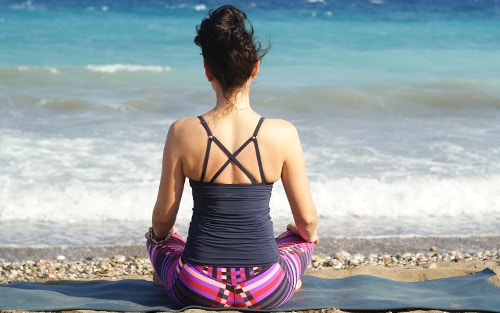
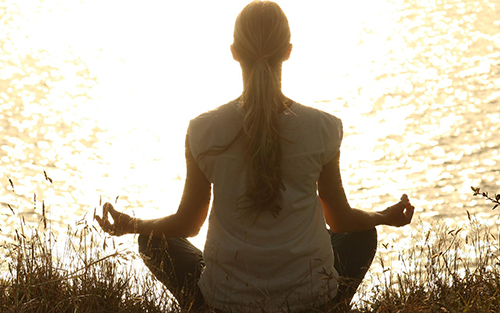
Meditating can help you relax and improve your wellness

yourfootpalace.com gathered information on 9 ways you can quickly relax and regain your peaceful state of being.

1. Deep Breathing

By adjusting your breathing rate and pattern, you can stimulate the body’s parasympathetic nervous system, triggering a calming response, which decreases your heart rate, blood pressure, and muscle tension. Here’s how:

  • Sit comfortably or lie down
  • Inhale slowly through your nose until your stomach rises
  • Hold your breath and count to three
  • Exhale slowly, allowing your stomach to fall

Tip: There are many versions to this exercise. Experiment until you find one that works for you.

2. Practice Yoga

Regular yoga practice can foster mental clarity and calmness, increase body awareness, relieve chronic stress, center one’s attention, and sharpen concentration.

3. Spend Time Outdoors

You can find relaxing places all around. Just head to the beach, a park, the woods, a trail, or a quiet spot beside a stream. Most know how relaxing it is to be outside, but not everyone knows or recognizes nature’s healing effects.

4. Get a Massage

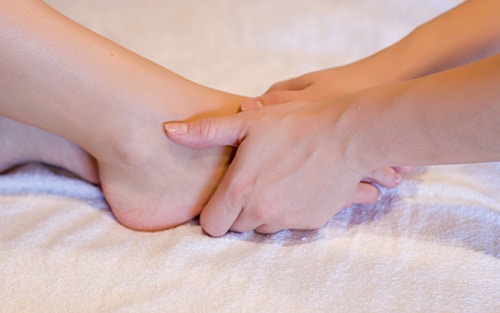
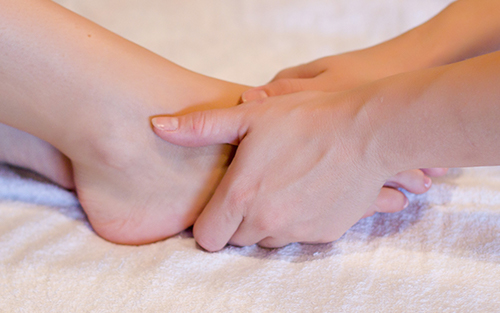
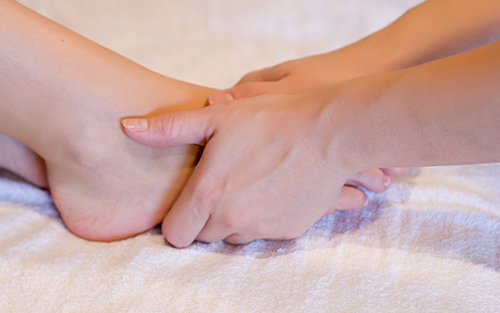
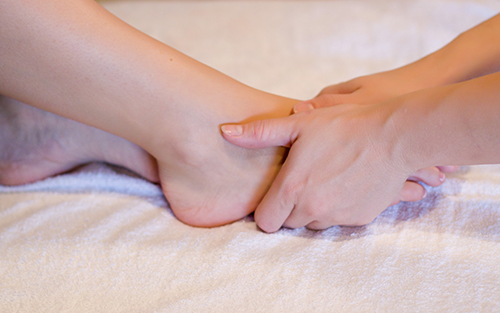
Foot massages can help you relax and improve your wellness

A massage therapist’s touch can elevate the body’s dopamine level, significantly affecting one’s inspiration, joy, and enthusiasm. Ultimately, the gentle pressure applied through massage stimulates the body’s circulation, helping you relax and rest.

Tip: Couple’s massages can help lessen mutual stressors and tension.

5. Spend Your Time Off – Off

Occupy your downtime from work with a movie, gardening activities, board games, weight lifting, sightseeing, or visiting a museum. By making time to pursue activities you enjoy, you give your mind a chance to deflect whatever makes you anxious.

6. Declutter

When you can’t find a place to store things, chances are you’ll leave them lying around so you can deal with them later. The more “stuff” you have, the more surfaces you have that collect dust and allergens. This alone can decrease the air quality in your home and creates a stressful situation when specific items or papers must be quickly located.

7. Eat Healthier

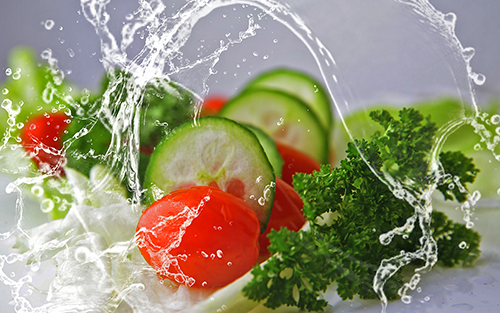
Eating healthy food can help you relax and improve your wellness

Consuming a healthier diet can lead to significant health and wellness improvements. Among the benefits of a more nutritious diet is an increased ability to resolve issues and avoid undue stress. Consider the following benefits of eating healthier:

  • Lowers risk of heart disease, type 2 diabetes, obesity, and some cancers
  • Helps the digestive system maintain proper function
  • Helps achieve and maintain a healthy weight
  • Increases skin, teeth, and eye health
  • Supports muscle growth, strengthening, and repair
  • Boosts immunity
  • Strengthens bones
  • May help you live longer

Tip: Consult your primary care physician and a nutritionist before attempting any radical or fad diets. Weight loss or weight gain should be closely monitored to prevent severe health problems.

8. Reduce Alcohol Consumption

Low and moderate doses of alcohol can increase one’s expression, happiness, and euphoria. However, over time, excessive alcohol consumption can result in the development of chronic diseases and other issues, including:

  • Digestive problems
  • Liver Disease
  • Stroke
  • Heart Disease
  • Hypertension
  • Stress
  • Anxiety

Note: Elevated alcohol consumption can also significantly contribute to the development of breast, mouth, throat, esophagus, colon, and rectum cancers.

9. Stop Smoking

While smoking may seem to temporarily relax or de-stress one’s state of being, the reality and long-term effects of tobacco consumption are substantially different. According to the Centers for Disease Control and Prevention, smoking causes or significantly contributes to:

  • Hypertension
  • Cancer
  • Heart Disease
  • Heart Failure
  • Stroke
  • Lung Diseases
  • Kidney Failure
  • Diabetes
  • Chronic Obstructive Pulmonary Disease (COPD)

Tip: Your body will begin to heal shortly after you quit smoking, and the sooner you give up the habit, the greater the benefit will be to your health and wellness.

Stress-Related Conditions

Avoiding stress can help you relax and improve your wellness

Allowing the stress of daily pressures or traumatic events to infiltrate your decisions and personal interactions can significantly contribute to the following conditions:

  • Hypertension
  • Heart Disease
  • Obesity
  • Depression
  • Anxiety
  • Gastrointestinal Disorders
  • Diabetes

Note: When you perceive danger or feel threatened, your body releases stress hormones, including adrenaline and cortisol, which prepare the body for emergency action. Subsequently, your heart rate increases, muscles tighten, blood pressure rises, breath quickens, and your senses sharpen.

How To Relax

In this article, you discovered nine easy ways to quickly get rid of stress and anxiety, leaving you on a path to better health and increased wellness.

Living a less stressful life can significantly improve your overall state of being while drastically reducing some of the contributing factors to severe health and emotional conditions.

Allowing stress to dominate your life and choices can lead to poor lifestlye decisions and debilitating conditions over time.

Sources:
hopkinsmedicine.org/health/wellness-and-prevention/9-benefits-of-yoga
cdc.gov/nutrition/resources-publications/benefits-of-healthy-eating.html
mayoclinic.org/healthy-lifestyle/nutrition-and-healthy-eating/in-depth/alcohol/art-20044551
cancer.org/healthy/stay-away-from-tobacco/health-risks-of-tobacco/health-risks-of-smoking-tobacco.html

Foot Palace Massage Spa Athens
196 Alps Rd Ste 31, Athens,  GA 30606
(706) 521-5290

Foot Palace Massage Spa Braselton
2095 Highway 211 NW Suite 7B, Braselton, GA 30517
(678) 963-5958

To view the original version on Foot Palace, visit: https://yourfootpalace.com/9-suggestions-on-how-to-relax/

Friday, April 22, 2022

9 Ways to Improve Your Heart Health

Avoid rapid decline, chronic fatigue, medical emergencies, and premature mortality due to poor heart health. Knowing what to do or change in your lifestyle to strengthen your heart can significantly alter how you age and relate to other people.

Improving heart health includes steps to relax and increase physical activities

yourfootpalace.com gathered information on how to improve your heart health while living a healthier, more active life.

About Your Heart

Your heart will beat approximately 2.5 billion times over your lifetime, pumping millions of gallons of blood to each part of your body. This steady flow carries oxygen, fuel, hormones, and essential cells throughout your body. It also contributes to the removal of metabolic waste products. When the heart fails or stops, some essential functions immediately fail.

Given the heart’s continuous workload, how it performs so well, for so long, and for so many people is utterly astonishing. That said, it can also fail, damaged by poor dietary habits, a lack of exercise, smoking, infection, etc.

Your heart is a muscle that responds to physical and mental stimuli. How it copes with these stimuli depends entirely on how healthy it is. Consider the following ways to significantly improve your heart’s health:

1. Increase Your Physical Activity

For some, this may be a significant challenge. If you haven’t been physically active in the past, you can get the ball rolling with the following and work your way up:

  • Park your car farther away, resulting in a longer distance to walk to work or home
  • On rainy days, try walking indoors at a gallery or mall (no excuses)
  • Wake up early and exercise before your day starts
  • Climb the stairs instead of riding an elevator
  • Spend portions of your break-times walking

Note: Wearable digital fitness trackers can help you count your steps. Increase your daily steps by 500/week until reaching 10,000 steps per day. This level of daily steps can produce immediately noticeable health benefits.

2. Quit Smoking

Increase your lifespan. Do you really need another reason? Consider this:

Only 20 minutes after you stop smoking, your blood pressure and heart rate reduce. Then, in about 3 weeks, your circulation begins to improve. Your odds of heart disease are also immediately reduced. After a year without tobacco use, you’re 50% less likely to develop heart disease.

Note: For those who complain that their breathing worsened after quitting smoking, here’s a bit of vital knowledge: Smoking inflames the lining of your airways, but when you quit, you are no longer inhaling the toxic substances that irritated your airways, which allows the healing process to begin.

3. Consume Foods High in Fiber

Improving heart health includes consuming healthy food

Fiber is a carbohydrate that your body cannot break down. However, high-fiber foods may have other heart-health benefits, like reducing your blood pressure and inflammation. Fiber comes in insoluble and soluble varieties, and both are firmly linked to heart health:

Insoluble Fiber – This type of fiber is found in whole grains, wheat cereals, and vegetables like carrots, celery, and tomatoes.

Soluble Fiber – This fiber is found in barley, oatmeal, beans, nuts, and fruits like apples, berries, citrus fruits, and pears.

Note: A high-fiber diet can contribute to reducing the risk of heart disease and diabetes.

4. Adjust Your Sodium Intake

Excessive sodium intake, insufficient sodium intake, and high blood pressure are significant risk factors for developing or worsening existing heart failure. Balancing your salt intake may profoundly reduce these risks.

Consult your primary care physician or a nutritionist to figure out diet adjustments that can control and balance your sodium intake.

Note: For those considering a complete sodium removal from their diet: When sodium levels drop too low in the body, you can experience muscle cramps, nausea, vomiting, and vertigo-like dizziness. Eventually, this lack of salt may result in shock, coma, and death.

5. Control Your Weight

A normal and healthy Body Mass Index (BMI) measures between 20 and 25. Your risk of heart disease increases as your BMI increases. A BMI of 25 to 30 (considered overweight) has a higher risk, and a BMI of 30 to 35 (considered obese) is exponentially higher.

Note: Body mass index (BMI) is a measure of body fat based on height and weight that applies to adult men and women.

Tip: Consult your primary care physician, a nutritionist, and a certified personal trainer to get your BMI under control.

6. Manage Your Stress

Improving heart health includes getting relaxing couples massages

Your body’s stress response might help you work harder and stay awake longer, but stress becomes a problem when stressors continue without relief or periods of relaxation. Some of the physical symptoms of stress can include:

  • Aches and pains
  • Chest pain
  • Exhaustion or trouble sleeping
  • Headaches, dizziness, or shaking
  • High blood pressure
  • Stomach or digestive problems

Ways to relieve stress and control anxiety include:

  • Meditate
  • Laugh more
  • Take a spa day
  • Get a foot massage
  • Connect with others
  • Get a couples massage
  • Get active
  • Get sufficient sleep

Prolonged periods of stress and anxiety have been linked to high blood pressure and heart disease.

7. Avoid Alcohol

Excessive alcohol consumption can lead to high blood pressure, heart failure, or stroke. Alcohol can also contribute to obesity and the exhausting list of health problems associated with it.

Moderate drinking can be defined as one drink per day for women and one or two for men. One drink constitutes 12 ounces of beer, 4 ounces of wine, or 1.5 ounces of 80-proof spirit.

Tip: Some people should avoid alcohol altogether if they have certain heart rhythm abnormalities or have heart failure.

8. Monitor Your Blood Pressure

Improving heart health includes monitoring your blood pressure

In many cases, severe damage caused by high blood pressure (HBP or hypertension) occurs with time. Left undetected or uncontrolled, high blood pressure can lead to heart attack, stroke, heart failure, vision loss, kidney failure, sexual dysfunction, etc.

You can control high blood pressure by making simple lifestyle changes which include:

  • Lose extra pounds and watch your BMI
  • Start exercising regularly
  • Eat a healthier diet
  • Reduce sodium in your diet
  • Limit the amount of alcohol you drink
  • Quit smoking
  • Reduce caffeine consumption

Note: Regular or normal blood pressure is widely considered to be 120 (systolic)/80 (diastolic). If your blood pressure is higher or lower than 120/80, you should consult with your primary care physician for advice.

Tip: Blood pressure monitors are commonly found in pharmacies everywhere. After purchasing one, take it to your doctor’s office to verify that it is working and calibrated properly.

9. Visit Your Primary Care Physician Regularly

Annual checkups and follow-ups after medical procedures are a vital component of your overall health. With heart conditions or illnesses that lead to heart conditions, your best deterrent is early detection and treatment.

BONUS TIP: Manage Your Diabetes

If you have diabetes, you are twice as likely to develop heart disease or suffer a stroke than someone without. The longer you have diabetes, the more likely you are to develop heart disease.

Consult a diabetes care and education specialist for personalized help avoiding health complications such as heart disease. Find out more about how diabetes education can help you take the best care of yourself by asking your doctor for a referral if you don’t already have a diabetes educator.

Heart Health

In this article, you discovered several ways to significantly improve your heart health and live a healthier, more active lifestyle.

Taking action early in life to improve your heart health can significantly increase your quality of life and help you avoid debilitating heart conditions.

Ignoring your heart health can lead to heart failure, heart attack, stroke, organ failure, and early mortality.

Sources:
heart.org
health.harvard.edu/topics/heart-health
health.gov/myhealthfinder/topics/health-conditions/heart-health/keep-your-heart-healthy
mayoclinic.org/healthy-lifestyle/nutrition-and-healthy-eating/in-depth/high-fiber-foods/art-20050948
nhlbi.nih.gov/health/educational/lose_wt/BMI/bmicalc.htm
cdc.gov/healthyweight/assessing/bmi/adult_bmi/index.html
hopkinsmedicine.org/health/wellness-and-prevention/alcohol-and-heart-health-separating-fact-from-fiction

Foot Palace Massage Spa Athens
196 Alps Rd Ste 31, Athens,  GA 30606
(706) 521-5290

Foot Palace Massage Spa Braselton
2095 Highway 211 NW Suite 7B, Braselton, GA 30517
(678) 963-5958

To view the original version on Foot Palace, visit: https://yourfootpalace.com/9-ways-to-improve-your-heart-health//

Wednesday, March 16, 2022

Sleep Apnea Definition, Symptoms, and Treatment

Prevent sleep apnea from making you toss and turn all night long – robbing you of restorative rest and sleep. Knowing how to identify an issue with sleep apnea will help you seek out the correct treatment.

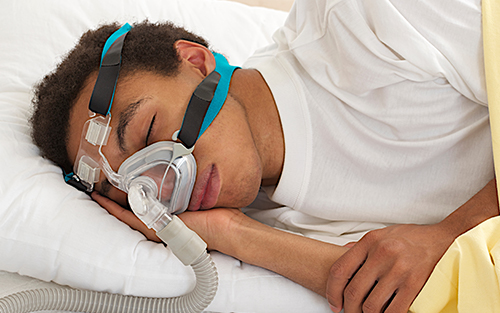
Sleep apnea treatment involves a cpap device

yourfootpalace.com gathered information about the definition, multiple symptoms, and treatments for sleep apnea.

What is Sleep Apnea?

Sleep apnea is defined as a sleeping disorder potentially leading to severe health problems, like high blood pressure and heart issues. Untreated sleep apnea causes one’s breathing to stop repeatedly during sleep, causing snoring and daytime sleepiness, even after a whole night’s sleep. Sleep apnea may affect anyone, but it occurs most often with older, overweight men.

Types of sleep apnea include:

Obstructive Sleep Apnea (OSA) – This is the more common form, occurring when throat muscles relax. This type of sleep apnea is classified as follows:

  • Mild obstructive sleep apnea means that your AHI (apnea-hypopnea index) is between 5 and 15
  • Moderate obstructive sleep apnea means that your AHI is between 15 and 30
  • Severe obstructive sleep apnea means that your AHI is greater than 30 (more than 30 episodes per hour)

Central Sleep Apnea – This form of sleep apnea occurs when your brain isn’t sending proper signals to the muscles that control your breathing.

Complex Sleep Apnea Syndrome – Finally, this form of sleep apnea occurs when someone has both obstructive sleep apnea and central sleep apnea.

Note: Sleep apnea occurs in about 3 percent of normal-weight individuals but affects over 20 percent of overweight or obese people. Typically, sleep apnea affects more men than women. Sleep apnea is frequently linked to heart disease and metabolic issues like diabetes.

Sleep Apnea Symptoms

Frequently, the initial signs of OSA are not detected by the patient but by their bed partner. Many of those affected by OSH have no sleep complaints. Common signs and symptoms of OSA include:

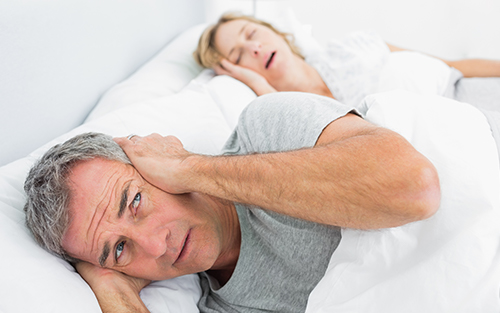
A symptom of sleep apnea is snoring

  • Snoring.
  • Daytime sleepiness or fatigue.
  • Cognitive impairment, such as trouble concentrating, forgetfulness, or irritability.
  • Mood disturbances (depression or anxiety).
  • Night sweats.
  • Frequent nighttime urination.
  • Sexual dysfunction.
  • Headaches.
  • Restlessness during sleep, frequent nighttime awakenings.
  • Sudden awakenings with a sensation of gasping or choking.
  • Dry mouth or sore throat upon awakening.
  • People with central sleep apnea often report recurrent awakenings or insomnia; they may also experience a choking or gasping sensation upon awakening.

Sleep Apnea Treatment

It is widely understood that regular exercise and a heart-healthy diet are the most essential activities for your cardiovascular health. However, it has become increasingly evident that your sleep quality is also critical to your heart’s wellbeing.

Positive Airway Pressure Devices – Positive airway pressure machines, known as CPAP (Continuous Positive Airway Pressure) machines, are the most commonly used treatment method for moderate and severe sleep apnea.

Note: The mask, when worn properly during sleep, supplies pressurized air, flowing continuously or intermittently to the sleeper’s esophagus. The increased air pressure prevents the sleeper’s airway from collapsing.

PAP machines eliminate snoring in addition to treating obstructive sleep apnea.

Oral Appliances – Oral appliances for sleep apnea treatment continue to increase in popularity. These appliances are worn in the mouth, similar to a sports mouthguard or an orthodontic appliance, while you sleep. Such oral appliances hold the lower jaw slightly forward, so the airway remains open and prevents the tongue and muscles in the upper airway from blocking the airway.

The American Academy of Sleep Medicine (AASM) recommends oral appliances for those with severe OSA who cannot tolerate or wear a CPAP device. Another option for people with severe OSA is combination therapy (wearing CPAP and an oral appliance together).

Advantages of Oral Appliance Therapy – Oral appliance therapy is an effective, non-invasive treatment that can conform to your lifestyle. Patients generally prefer oral appliance therapy because it is:

  • Comfortable
  • Quiet
  • Portable
  • Convenient for travel
  • Easy to clean and care for

Weight Loss – Around 70 percent of people suffering from obstructive sleep apnea are overweight or obese. Health care professionals typically recommend for them to lose weight.

Note: In some situations, physicians may prescribe weight loss medications to overweight or obese patients with OSA.

Spa Day and Massage – Spa days or massages should already be a part of your weekly or monthly routines. They can provide you with the following benefits:

Regular spa days enhance your sleep

  • Helps to De-Stress
  • Releases Serotonin and Dopamine
  • Helps With Anti-Aging
  • Reduced Headaches
  • Helps to Relieve Pain
  • Helps to Smooth Skin
  • Helps to Make Skin More Radiant
  • Enhances Sleep

Note: In addition, Massages can help ease arthritis or muscle tension pain, stimulate blood flow, and boost circulation.

Disclaimer: If you experience any of the above symptoms or detect any irregularities in your sleeping habits or health, it is highly recommended that you immediately consult your primary care physician for evaluation, advice, and treatment.

Sleep Apnea

In this article, you discovered essential information about sleep apnea, its definition, symptoms, and treatment options.

Recognizing and seeking help for sleep apnea can help you live a healthier life with more restorative sleep and reduced risk of heart, lung, and other organ trouble.

Ignoring sleep apnea symptoms can lead to severe and debilitating conditions, including heart failure and even death.

Sources:
my.clevelandclinic.org/health/diseases/8718-sleep-apnea
sleepapnea.org/treat/sleep-apnea-treatment-options/
mayoclinic.org/diseases-conditions/sleep-apnea/symptoms-causes/syc-20377631
hopkinsmedicine.org/health/wellness-and-prevention/the-dangers-of-uncontrolled-sleep-apnea
aasm.org/oral-appliance-therapy-clinical-guideline-published-jointly-by-aasm-and-aadsm/

Foot Palace Massage Spa Athens
196 Alps Rd Ste 31, Athens,  GA 30606
(706) 521-5290

Foot Palace Massage Spa Braselton
2095 Highway 211 NW Suite 7B, Braselton, GA 30517
(678) 963-5958

To view the original version on Foot Palace, visit: https://yourfootpalace.com/sleep-apnea-definition-symptoms-and-treatment/

Wednesday, January 26, 2022

11 Ways To Relieve Stress

Prevent your stress from reducing your productivity at work while debilitating you at home. Knowing how to take the edge off and relieve stress will enhance your health and well-being.

Relieve stress by having regular reflexology massages

yourfootpalace.com gathered the following information about the physical effects stress can have on your body and 11 ways to lower your stress level.

What Does Stress Do To the Body

Occasional or well-managed stress is to be expected throughout phases in your lifetime. However, stress can be a problem when it becomes the only way you can problem-solve. The following are ways constant stress can affect your body:

  • Random aches and pains
  • Chest pain (angina) or a feeling that your heart is racing
  • Exhaustion or difficulty sleeping
  • Sexual dysfunction
  • Headaches, dizziness, or shaking
  • Elevated or high blood pressure
  • Muscle tension or jaw clenching
  • Stomach or digestive irregularities

Note: Stress often leads people to manage it with unhealthy, more destructive behaviors like:

  • Smoking
  • Using illicit or abusing prescription drugs
  • Drinking alcohol too much or too often
  • Gambling
  • Overeating or developing an eating disorder

As problems with stress and its effects on the body worsen, you must find innovative ways to reduce your stress level once it is identified. Here are 11 ways to successfully relieve stress:

1. Reduce Caffeine Consumption

Caffeine is a stimulant found in varying quantities in coffee, tea, chocolate, and energy drinks. High doses or continuous consumption can increase anxiety. Different individuals have different thresholds for how much caffeine they can consume and tolerate. Once you notice that caffeine makes you nervous, jittery, or anxious, cut back your consumption.

2. Exercise

Virtually any form of physical activity can act as a stress reliever. Even if you’re not an athlete or you’re out of shape, exercise can still be a good stress reliever. Physical activity can increase your endorphins and other natural neural chemicals, enhancing your feeling of well-being.

  • Housecleaning
  • Bicycling
  • Swimming
  • Weightlifting
  • Walking
  • Hiking
  • Jogging
  • Gardening

Note: If you have a medical condition or take prescription medication, consult your physician to see if there are limits (if any) to the type and duration of your physical activity.

3. If You Smoke or Chew Tobacco, Stop!

Some people use smoking as ‘self-medication’ to counter stressful feelings. However, science and biology show that smoking adversely increases anxiety and tension. Nicotine creates an immediate sense of relaxation, so people continue smoking with the belief it reduces stress and anxiety.

Note: A long-term smoking addiction may lead to more severe conditions like heart disease, lung disease, diabetes, stroke, and cancer.

4. Take a Vacation or Travel

Relieve stress by taking a relaxing vacation

A study released by the American Psychological Association concluded that vacations can reduce stress by removing people from the activities and environments associated with daily or frequent stress and anxiety.

5. Reduce or Cease Alcohol Consumption

You may believe a drink or two can help you relax. However, over time, regularly consuming alcohol to deal with feelings of stress can interfere with what your brain needs for good mental health and disrupt your sleep, making stress harder to cope with.

6. Visit Your Chiropractor

Chiropractic treatments can help relieve the symptoms of chronic stress. In addition, regular chiropractic adjustments can soothe the nervous system and lessen the flight or fight response most of us naturally experience when stressed. Chiropractic care may also contribute to the following:

  • Easier breathing
  • Improved balance
  • Healthier pregnancies
  • Improved asthma control
  • Lowered/better-regulated blood pressure
  • Improved digestion
  • Increased energy levels

Note: When starting a new treatment plan, it’s typically recommended to have adjustments multiple times a week. However, as your body begins to heal, that frequency could drop to just once a week. Eventually, when you are pain-free and simply want to maintain your flexibility, you may only need to get an adjustment once or twice a month.

7. Schedule Regular Spa Days

Spending time relaxing in therapeutic baths can prompt physical changes resulting in mental benefits like reduced stress and anxiety with increased relaxation. Spending a care-free day at the spa enjoying a deep tissue massage can also release any built-up stress that manifests as tightened muscles in your neck, back, and shoulders.

8. Schedule Frequent Reflexology Massages

A massage can help reduce muscle tension. This is why it may help relieve some symptoms associated with stress and anxiety.

A reflexology massage is the application of pressure to specified areas on the feet, hands, and ears, giving it the ability to alleviate or reduce stress. Furthermore, reflexology may also reduce pain, anxiety, and depression, while enhancing one’s relaxation and sleep.

9. Adopt an Activity or Hobby

People who participate in activities or hobbies are much less likely to suffer from stress, anxiety, “down” mood, and depression. Activities or hobbies that get you outside can make you feel happier and more relaxed.

10. Read a Book

Research indicates that reading fiction is much more effective at reducing stress and anxiety than listening to music, drinking tea, and even taking a walk. In fact, stress levels dropped by 68% after merely reading. While your brain is engaged in the story, your heart rate slows down, and your muscles tend to relax.

11. Do Nothing

When you find yourself down, stressed with work, or exhausted from daily stress and anxiety, especially for those working from home, doing absolutely nothing is an excellent way of psychologically detoxing. Just take a break from doing anything. This is referred to as decision avoidance.

Stress and Anxiety Relief

In this article, you discovered some of the adverse effects stress and anxiety can have on the body and 11 ways to effectively relieve them.

Knowing how to manage your stress level can help you work, problem solve, and communicate with others in a more proficient and coherent way.

Ignoring stress and anxiety can lead to severe health problems requiring medical intervention to control them.

Sources:
my.clevelandclinic.org/health/articles/11874-stress
mayoclinic.org/healthy-lifestyle/stress-management/in-depth/stress-relievers/art-20047257
stress.org/workplace-stress 

Foot Palace Massage Spa Athens
196 Alps Rd Ste 31, Athens,  GA 30606
(706) 521-5290

Foot Palace Massage Spa Braselton
2095 Highway 211 NW Suite 7B, Braselton, GA 30517
(678) 963-5958

To view the original version on Foot Palace, visit: https://yourfootpalace.com/11-ways-to-relieve-stress/

Thursday, November 18, 2021

Cankles – What They Can Mean

Avoid developing a life-threatening condition when your ankles and lower legs swell up. Edema in your lower legs and ankles may indicate a series of potential health risks.

swollen ankles can be caused by several illnesses

yourfootpalace.com gathered the following information about what causes your lower legs and ankles to swell, which treatments may work best, and when to seek medical help.

What Are Cankles

Cankles is a colloquial term (not a medical term) for the part of the leg where the ankle meets the calf without any defining contour of the ankle. It may be due to a large ankle that you are born with or swelling of the ankle. It is quite normal to have big ankles from birth, and the condition may very well be hereditary with some people.

This form of edema is not always a sign of disease. You may develop feet and ankle swelling after standing for many hours, which is not necessarily threatening. However, if you have developed swelling of your ankles and lower legs over multiple days, it is a cause for legitimate concern.

What Conditions May Cause Cankles

The following are ten reasons you may develop this type of swelling:

Pregnancy

Foot and ankle edema is a common and often recurring symptom during pregnancy. However, if you suffer from irregularly high blood pressure or you are experiencing lightheadedness, headaches, and/or shortness of breath, you may have a severe condition known as preeclampsia. Preeclampsia leads to highly elevated blood pressures that can harm your unborn child.

Congestive Heart Failure

DVT causes lower leg edema and reddening

In congestive heart failure, there is a severe weakening of the heart that causes it to circulate blood less efficiently. This impaired circulation causes fluid buildup in the blood vessels of the leg. In this case, fluids leak from the blood vessels resulting in cankles. This is a severe health condition. If you suffer from shortness of breath or find yourself in a state of confusion as well, call 911 immediately.

Kidney Disease

Kidneys filter the blood and remove waste materials from your body as urine. When you have a kidney disease or ailment that hampers its function, waste materials build up in the blood vessels. This can quickly result in the swelling of the whole body beginning from the ankles, feet, arms, and face.

Liver Disease

A disease like liver cirrhosis causes a severe decrease in body protein (albumin) levels. Without enough albumin, the fluid leaks out of the blood vessels and causes swelling in the legs, arms, and face.

Varicose Veins

You may develop cankles due to a condition like varicose veins, where the valves of the blood vessels become weak, allowing the blood to pool in the legs. This pooling of blood may lead to cankles.

Lymphedema

Irregularities in the lymphatic system may lead to the improper drainage of lymph from the body. This can appear as swelling anywhere in the body, including your arms and legs, and continuing to the feet and ankles.

Lipedema

Lipedema is the enlargement of both legs due to the depositing of fat beneath the skin. Skin bruises easily, and this swelling can be severely painful.

Deep Vein Thrombosis (DVT)

Congestive heart failure is a failing of the heart to efficiently circulate the blood in your body

Deep vein thrombosis results from the obstruction of the deep veins of one or both legs with a single or multiple blood clots. This condition results in swelling and reddening of the legs. If left untreated, it can lead to a pulmonary embolism with the lodging of the blood clot in the lungs.

Air travel

Sitting in flights for an extended time can cause a temporary swelling in the feet and legs. However, if the swelling does not recede once you return to normal activities, it may indicate a health condition, like DVT or a heart condition.

Medications

Some OTC or prescription medications can cause swelling of the legs, including the feet and ankles. These include:

  • Hormone replacement therapy
  • Estrogen-containing oral contraceptives
  • Medications that treat high blood pressure
  • Medications that treat diabetes
  • NSAIDs
  • Steroids
  • Testosterone
  • Antidepressants

Note: Consult your primary care physician before adding or subtracting any medication from your prescribed or recommended medicines.

Treatment for Cankles

The following may help you control the swelling that leads to cankles. Your doctor may prescribe one more of these to help you mitigate the swelling and discomfort caused by cankles.

  • Weight loss
  • Treat yourself to regular spa days
  • Use compression socks
  • Elevate your legs above heart level
  • Keep your legs in motion when standing for long periods

Compression socks help manage and prevent swelling

When these measures fail to relieve your edema, contact your doctor to rule out any other, potentially more serious conditions.

Cankles and Their Meaning

In this article, you discovered several reasons that can cause or contribute to the swelling of your lower extremities, the grave medical conditions they may indicate, and some treatments that may help relieve some of the symptoms.

Acting swiftly to identify and minimize the effects of cankles can help you reduce the discomfort and embarrassment of this type of swelling.

Ignoring cankles and their cause can allow other contributing factors to compound and elevate the severity of your condition, potentially resulting in hospitalization or more grave.

Sources:
urmc.rochester.edu/encyclopedia/content.aspx?contenttypeid=85&contentid=p00664
cedars-sinai.org/health-library/diseases-and-conditions/h/heart-failure.html
ft.com/content/cb458c87-2464-4d90-8460-dbdeca5e4f6b
health.harvard.edu/a_to_z/kidney-failure-a-to-z

Foot Palace Massage Spa Athens
196 Alps Rd Ste 31, Athens,  GA 30606
(706) 521-5290

Foot Palace Massage Spa Braselton
2095 Highway 211 NW Suite 7B, Braselton, GA 30517
(678) 963-5958

To view the original version on Foot Palace, visit: https://www.yourfootpalace.com/cankles-what-they-can-mean/

Monday, August 23, 2021

Chronic Venous Insufficiency: Causes, Symptoms, Treatment, and Prevention

Prevent constant embarrassment from skin rashes, stasis ulcers, and unsightly skin color change from venous insufficiency. Knowing how this disorder manifests and persists will help you take proactive measures against it.

Venous insufficiency is a common and correctable condition

yourfootpalace.com gathered the following information about what venous insufficiency is, its causes, the accompanying symptoms, how it is diagnosed, what you can do to treat venous insufficiency, and prevention strategies.

What Is Chronic Venous Insufficiency?

Chronic Venous Insufficiency (CVI) happens when your leg veins stop functioning properly and stop directing blood flow back to your heart. Normally, valves in your veins ensure that blood flows toward your heart. However, when these valves malfunction, blood is permitted to flow backward. This can cause blood to collect or pool in your legs.

Venous insufficiency is a disorder of the veins and blood flow

Note: In the medical field, the acronym “CVI” is also derived from Cortical Visual Impairment and/or Cerebral Visual Impairment.

What Causes Chronic Venous Insufficiency?

You are more likely to develop this condition if you:

  • Are overweight or obese
  • Are pregnant
  • Have a family history of a contributing condition or ailment
  • Suffered damage to your leg due to injury, surgery, or past blood clots
  • Have or have had pelvic tumors
  • Have vascular malformations


Other potential causes of chronic venous insufficiency include:

  • Aging
  • Reduced mobility
  • High blood pressure in leg veins over time, from sitting or standing for long periods
  • Lack of activity or exercise
  • Smoking (at any quantity or frequency)
  • A blood clot in a deep vein, often in the calf or thigh (deep vein thrombosis – DVT)
  • Vein swelling and/or inflammation close to the skin, frequently in the legs (phlebitis)
  • Sometimes CVI can occur for unknown reasons

Note: Chronic venous insufficiency resulting from DVT is also referred to as post-thrombotic syndrome. Approximately 30 percent of people diagnosed with DVT will likely develop CVI within 10 years after diagnosis.

Veins are responsible for returning blood to the heart from all the body’s organs and limbs. To get to the heart, blood needs to flow upward from veins in the legs. Your calf and foot muscles need to contract with each step, which applies pressure to the veins and pushes blood upward. To keep blood flowing back to the heart and not back down, the veins contain one-way valves.

CVI develops when these one-way valves become defective or damaged, allowing blood to reverse course. When veins and their valves are debilitated to the point where it becomes difficult for blood to flow back to the heart, blood pressure in the veins stays elevated for long periods, leading to chronic venous insufficiency.

What are the Symptoms of Chronic Venous Insufficiency?

Venous insufficiency stasis ulcers

The seriousness of CVI and the complexities of eventual treatment will increase as the affliction progresses. This is why it is imperative to see your doctor if you have any or a combination of the following CVI symptoms:

  • Leathery skin on the legs (often accompanied by hair loss in the area)
  • Dry, flaking, and/or itching skin on the legs or feet
  • Stasis ulcers or venous stasis ulcers caused by fluid build-up in the skin
  • Swelling in lower legs and ankles, primarily after extended periods of standing or sitting
  • Aching or tiredness in the legs
  • Newly developed varicose veins

Note: Untreated CVI will increase pressure and swelling until the tiniest blood vessels in the legs (capillaries) rupture. When these blood vessels rupture, the overlying skin turns a reddish-brown color and becomes very sensitive to being broken when bumped or scratched.

Burst capillaries can cause local tissue inflammation and internal tissue damage. When left untreated or ignored, this can lead to ulcers, open sores on the skin surface. These venous stasis ulcers may be difficult to heal and can develop infections. If this type of infection is not controlled, it can quickly spread to surrounding tissue. This condition is known as cellulitis.

CVI is often associated with varicose veins, which are twisted, enlarged veins close to the skin’s surface. They can occur almost anywhere but most commonly occur in the legs.

Venous insufficiency can be an underlying condition of vericose veins

Tip: These problems will not go away if you procrastinate seeking help. The earlier it is diagnosed and treated, the better your chances are at preventing more severe complications.

How Is Chronic Venous Insufficiency Diagnosed?

Your primary care physician will likely need to do a complete physical examination and get your full medical history to accurately deduce if you do, in fact, have venous insufficiency.
Imaging tests may be used to locate the source of the condition. These tests may include a venogram or a duplex ultrasound:

Venogram

  1. Your doctor will put an intravenous (IV) contrast dye into your veins.
  2. The contrast dye causes blood vessels to appear opaque on the X-ray image so they may be seen.
  3. This dye will give your doctor a clearer X-ray picture of your blood vessels.

Duplex Ultrasound

  1. A vascular or duplex ultrasound may be used to test the speed and direction of blood flow in the veins.
  2. A technician places gel on the skin and then presses a hand-held device (transducer) against the area.
  3. The transducer uses sound waves that bounce back to a computer which produces images of blood flow.

Note: Correctly diagnosing your CVI is crucial for your doctor when developing an effective and personalized treatment plan.

How Is Chronic Venous Insufficiency Treated?

The type and the duration of CVI treatment will depend on multiple factors, including the reason for the condition combined with your health status and history. Other factors your doctor will consider are:

  • Your symptoms
  • Your age
  • The severity of your condition
  • How well you can tolerate medications or procedures

The most common venous insufficiency treatment is prescribing compression stockings. These special elastic stockings apply pressure at the ankle and lower leg. They help improve blood flow and can dramatically reduce leg swelling.

Venous insufficiency is often treated with compression socks

Compression stockings come in a range of prescription strengths and different lengths. Your doctor will help you determine the best compression stocking option for your treatment.

Treatment for venous insufficiency can include multiple strategies like Improving blood flow:

  • Cease all tobacco usage
  • Keep your legs elevated (above your waistline) whenever possible
  • Wear compression stockings
  • Keep your legs uncrossed when seated
  • Exercise regularly (walk when possible)
  • Have regular massages and spa days
  • Moisturize skin to prevent cracking

Note: Massage therapies such as vascular and lymphatic drainage massages that aim to increase circulation and improve tissue nutrition are beneficial to patients with varicose veins and chronic venous insufficiency

Medications

There are a number of medications that may help those who have this condition. These include:

  • Diuretics – Medications that draw fluid from your body that is excreted through the kidneys
  • Anticoagulants – These are medications that thin the blood
  • Pentoxifylline (Trental) – This medication helps improve blood flow

Surgery

Sometimes more severe cases of CVI require surgery. Your doctor may suggest one of the following:

  1. Surgical repair of veins or valves
  2. Removing (stripping) damaged veins
  3. Minimally invasive endoscopic surgery – The surgeon inserts a tube with a camera on it to help see and tie off varicose veins.
  4. Vein bypass – A healthy vein is transplanted from another location in your body. This procedure is generally used only in the upper thigh and only as a last resort for very severe cases.
  5. Laser surgery – A relatively new treatment using lasers to either fade or close the damaged vein(s).

Venous insufficiency must often be treated medically

Ambulatory Phlebectomy

This is an outpatient procedure (you won’t have to spend the night in the hospital). It involves your doctor numbing specific locations on your leg, making small pricks, and removing smaller varicose veins.

Sclerotherapy

This treatment is usually reserved for advanced venous insufficiency.

In sclerotherapy, a chemical is injected into a damaged vein so it can no longer carry blood. Blood returns to the heart through other veins, and the damaged vein is eventually absorbed by the body.

Catheter Procedures

In more severe cases, your doctor can use a catheter procedure for larger veins. A catheter is inserted into the vein, the end of the catheter is heated, then the catheter is removed. The heat causes the vein to close and seal.

Can Chronic Venous Insufficiency Be Prevented?

You can alter your lifestyle to reduce the risk of developing CVI, consider the following:

  • Eat a healthy balanced diet
  • Quit smoking (cease all consumption/use of tobacco-based or nicotine products)
  • Exercise regularly (walking is highly recommended)
  • Avoid wearing restrictive clothing such as tight girdles or belts
  • Lose weight if you are overweight or obese
  • Avoid prolonged sitting or standing
  • Don’t cross your legs when seated

Tip: Ask your primary care physician for referrals to a physical trainer and a nutritionist that can help structure these activities.

Chronic Venous Insufficiency

In this article, you discovered information about venous insufficiency, what causes it, accompanying symptoms, how it is diagnosed, what treatments can be used, and what you can do to reduce your risk of developing it.

Knowing how to recognize and deal with blood circulation problems will help you get the assistance you need before those problems become catastrophic or life-threatening.

Ignoring signs and symptoms of venous insufficiency can lead to severe discomfort, pain, stasis ulcers, and other complications that can land you in the hospital or worse.

Sources:
hopkinsmedicine.org/health/conditions-and-diseases/chronic-venous-insufficiency
cedars-sinai.org/health-library/diseases-and-conditions/c/chronic-venous-insufficiency.html
my.clevelandclinic.org/health/diseases/16872-chronic-venous-insufficiency-cvi
medlineplus.gov/ency/article/000203.htm

Foot Palace Massage Spa Athens
196 Alps Rd Ste 31, Athens,  GA 30606
(706) 521-5290

Foot Palace Massage Spa Braselton
2095 Highway 211 NW Suite 7B, Braselton, GA 30517
(678) 963-5958

To view the original version on Foot Palace, visit: https://www.yourfootpalace.com/chronic-venous-insufficiency-causes-symptoms-treatment/