Is pain in the arch of your foot making daily activities difficult? This guide explains the causes and offers practical solutions to help you find relief and get back on your feet.
Key Takeaways
- Healthy foot arches are essential for overall foot health, providing support, balance, and shock absorption to prevent pain and complications.
- Typical causes of arch pain include plantar fasciitis, flat feet, and posterior tibial tendon dysfunction, all of which make early diagnosis and treatment critical.
- Effective management strategies for arch pain include home remedies, targeted foot stretches, proper footwear, and potential medical treatments when necessary.
Understanding the Importance of Foot Health
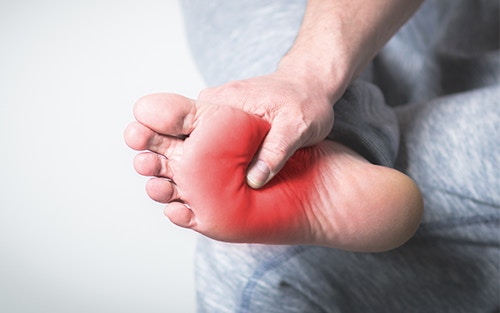
Foot pain, especially in the arch, can majorly impact your daily activities. It can disrupt your routine and make simple tasks more challenging. Imagine the discomfort of heel pain or arch pain interrupting your daily activities, making it difficult to stand, walk, or even sleep peacefully. Maintaining healthy arches is crucial as they prevent pain and complications, ensuring you remain active and mobile. Without proper care, minor foot problems can escalate into severe foot pain, affecting your overall quality of life.
The arches of the foot serve several essential functions, including supporting body weight and maintaining balance. Think of your foot arches as natural shock absorbers; they distribute your body weight evenly and aid in propulsion during movement. This distribution and cushioning are vital during physical activities, helping to reduce the impact on your feet and lower limbs.
Healthy arches also support various foot muscles and structures, preventing common foot conditions such as plantar fasciitis and flat feet. Wearing supportive shoes and engaging in regular foot stretches can help maintain foot health and prevent these issues. Understanding the importance of foot health allows for proactive steps to keep your feet strong and pain-free.
Anatomy of the Foot Arch and Its Functions
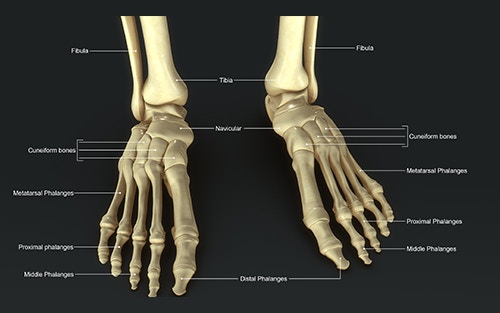
The human foot contains two types of longitudinal arches—medial and lateral—and two types of transverse arches, all of which are essential to its function. The medial longitudinal arch is the highest and most flexible, while the lateral arch is lower and more rigid, offering stable support. The transverse arches help regulate the foot’s balance between elasticity and stiffness, which is necessary for effective propulsion. These arches are formed by a network of bones, ligaments, and tendons that work together to provide both stability and flexibility.
During weight-bearing activities, the arches flatten slightly and return to their shape once the load is removed, highlighting their dynamic nature. This adaptability allows the foot to conform to various surfaces while providing both support and flexibility during movement. Think of the arches as functioning like a stone bridge, combining structural strength with elastic properties to bear weight efficiently.
Intrinsic and extrinsic muscles also play a key role in maintaining the arch’s shape and providing dynamic support throughout daily activities. The arches are crucial for weight bearing, balance, and shock absorption, making them fundamental to overall foot health.
By understanding the anatomy of the high-arched foot, you can better appreciate the complexity and vital role of these structures in supporting healthy, pain-free movement.
Common Causes of Pain in the Arch of the Foot

There are multiple factors that may cause pain in the arch of the foot. These conditions can vary in nature and severity. Common causes of foot issues are plantar fasciitis and flat feet. Other factors include cavus foot and posterior tibial tendon dysfunction. Plantar fasciitis, characterized by inflammation in the band of tissue along the bottom of the foot, often presents as sharp pain in the arch. Flat feet can also lead to pain in the arch and other areas due to the lack of structural support.
Posterior tibial tendon dysfunction can cause arch pain due to inflammation or tearing of the tendon. The posterior tibial tendon connects to the structures of the foot, and another condition, Morton’s neuroma, affects the nerves of the foot and can lead to arch pain. Bursitis, which results in inflammation in the bursae, can also cause discomfort in the arch area of the foot.
Prolonged standing is a common contributor to arch pain, as continuous stress on the feet can lead to discomfort and strain. Recognizing the typical causes of arch pain is key to identifying underlying issues and pursuing appropriate treatment options. If the pain persists, it’s important to consult a foot specialist to determine the root cause and develop an effective treatment plan.
Symptoms and Diagnosis of Arch Pain
The primary symptoms of arch pain can include sharp, burning, or throbbing pain. Patients often describe sensations like tightness, pulling, burning, or a ripping feeling in the mid-arch area. Sharp pain in the arch can indicate strain or sprain in muscles or ligaments, or plantar fasciitis. Throbbing pain may suggest injury, inflammation, fracture, or nerve problems, and some may also experience a stabbing pain.
A thorough medical history is often the first step in diagnosing arch pain. A comprehensive physical examination usually follows this. During the physical examination, doctors look for signs of inflammation such as redness, warmth, and swelling. They may also assess the ligaments, fascia, or tendons to identify any abnormalities. If necessary, further tests, including imaging tests, may be required to confirm the diagnosis of experienced arch pain.
A proper diagnosis is crucial for developing an effective treatment plan. Persistent arch pain should be professionally diagnosed to identify the underlying cause and guide appropriate treatments.
Effective Home Remedies for Arch Pain
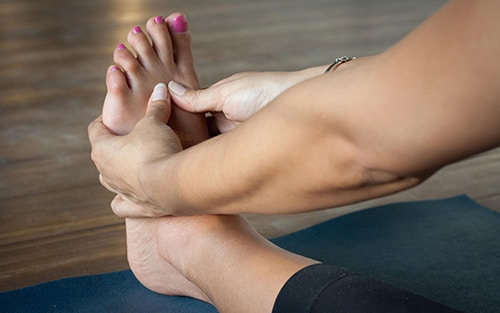
Effective home remedies for arch pain include rest, ice packs, and over-the-counter anti-inflammatory medications. Resting your feet and avoiding activities that exacerbate the pain can significantly help in reducing discomfort. Applying ice to the affected area after physical activities can also help reduce pain and inflammation.
Over-the-counter nonsteroidal anti-inflammatory drugs can be effective in managing arch pain, providing relief from inflammation and discomfort. Wearing shoes with soft soles and arch supports can help distribute weight and relieve pain on the feet. Alternating between different pairs of shoes can help reduce foot fatigue and promote better foot health.
Footwear designed for sports should offer shock absorption and stability to help prevent injuries during physical activity. Lace-up boots can reduce foot soreness by supporting proper leg alignment and distributing pressure evenly. Using shoe inserts as a home remedy can also help relieve pain and promote overall foot health.
Foot Stretches to Alleviate Arch Pain
Stretching exercises explicitly targeting the foot can alleviate discomfort associated with arch pain. One key exercise is the plantar fascia stretch, which involves pulling the toes back to stretch the bottom of the foot. This stretch can help relieve tension and improve flexibility in the plantar fascia, reducing pain and helping treat plantar fasciitis.
Performing marble pickups helps strengthen the foot muscles by using the toes to lift small items off the ground. Another effective exercise is heel raises on a step, which can enhance calf muscles and arch flexibility by allowing the heels to drop below the step level. Towel scrunches, which involve pulling a towel toward oneself with the toes, can also help build strength in the foot arch.
Regular stretching of the arches and surrounding muscles can enhance flexibility and reduce pain. Adding these stretches to your daily routine can significantly improve foot health and alleviate arch pain.
Medical Treatments for Severe Foot Pain
Medical treatments for severe arch pain include medical foot massage, physical therapy, custom orthotics, and potential surgical options. Consulting an orthopedic surgeon or foot specialist can lead to personalized treatment strategies that effectively manage chronic arch pain. Skilled podiatrists are essential in providing tailored treatment plans for individuals suffering from arch pain.
Custom-made insoles can effectively address specific foot problems, improving posture and alleviating pain. If home remedies and exercises are ineffective for arch pain, medical treatments such as corticosteroid injections, night splints, and an ankle brace may be necessary for relief and healing. These treatments can help reduce inflammation, provide support, and alleviate pain.
Seeking professional medical treatments can significantly improve your foot health and quality of life. Severe foot pain should prompt a visit to a foot specialist for an accurate diagnosis and an effective treatment plan regarding your foot condition.
Preventive Measures for Maintaining Foot Health

Proper footwear can significantly improve foot health by providing adequate support and cushioning. Selecting activity-appropriate footwear with adequate support helps in preventing foot pain. Well-cushioned shoes with proper arch support and more supportive shoes are crucial for managing chronic arch pain. It is essential to wear supportive shoes to enhance overall comfort and ensure good arch support.
Maintaining a healthy weight reduces pressure on the feet, helping to prevent discomfort and potential foot problems. Obesity can contribute significantly to foot pain, including arch pain. Incorporating low-impact exercises into your routine can help manage arch pain, improve foot health, and help you lose weight.
Wearing ill-fitting shoes is a common factor in developing arch pain. Problems with the feet can lead to altered walking patterns, increasing stress on knees, hips, and lower back. By taking preventive measures, you can maintain healthy feet and avoid future arch and heel pain.
Living with Chronic Arch Pain
Managing pain and maintaining quality of life are significant challenges for individuals with chronic arch pain. Using effective pain management strategies can enhance overall foot health for those with arch pain. Effective pain management strategies and care are crucial for managing symptoms of arch pain.
Chronic foot pain can contribute to mental health issues, including anxiety and depression, especially during prolonged periods. Addressing both the physical and mental aspects of chronic pain and its associated risk factors is essential for overall well-being, as many individuals may feel pain in various ways.
Adopting a holistic approach to managing chronic arch pain can improve your quality of life and maintain a positive outlook.
Pain in Arch of Foot Summary
In summary, understanding the importance of foot health, the anatomy of the foot arch, and the common causes and symptoms of arch pain is crucial for effective management and treatment. Home remedies, foot stretches, and medical treatments can all play a role in alleviating pain and improving foot health. Preventive measures such as proper footwear, maintaining a healthy weight, and regular exercise are essential for long-term foot health.
Living with chronic arch pain can be challenging, but with the right strategies and support, it is possible to manage pain and maintain a good quality of life. Taking proactive steps to care for your feet can ensure they remain strong and pain-free, allowing you to enjoy an active and fulfilling life.
(706) 521-5290
To view the original version on Foot Palace, visit: https://yourfootpalace.com/pain-in-the-arch-of-the-foot-explained/