Showing posts with label Foot Massage. Show all posts

Monday, May 19, 2025

Pain In The Arch Of The Foot Explained

Is pain in the arch of your foot making daily activities difficult? This guide explains the causes and offers practical solutions to help you find relief and get back on your feet.
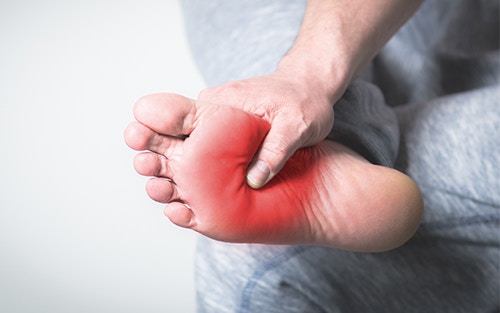
pain in arch of foot

Key Takeaways

  • Healthy foot arches are essential for overall foot health, providing support, balance, and shock absorption to prevent pain and complications.
  • Typical causes of arch pain include plantar fasciitis, flat feet, and posterior tibial tendon dysfunction, all of which make early diagnosis and treatment critical.
  • Effective management strategies for arch pain include home remedies, targeted foot stretches, proper footwear, and potential medical treatments when necessary.

Understanding the Importance of Foot Health

Foot pain, especially in the arch, can majorly impact your daily activities. It can disrupt your routine and make simple tasks more challenging. Imagine the discomfort of heel pain or arch pain interrupting your daily activities, making it difficult to stand, walk, or even sleep peacefully. Maintaining healthy arches is crucial as they prevent pain and complications, ensuring you remain active and mobile. Without proper care, minor foot problems can escalate into severe foot pain, affecting your overall quality of life.

The arches of the foot serve several essential functions, including supporting body weight and maintaining balance. Think of your foot arches as natural shock absorbers; they distribute your body weight evenly and aid in propulsion during movement. This distribution and cushioning are vital during physical activities, helping to reduce the impact on your feet and lower limbs.

Healthy arches also support various foot muscles and structures, preventing common foot conditions such as plantar fasciitis and flat feet. Wearing supportive shoes and engaging in regular foot stretches can help maintain foot health and prevent these issues. Understanding the importance of foot health allows for proactive steps to keep your feet strong and pain-free.

Anatomy of the Foot Arch and Its Functions
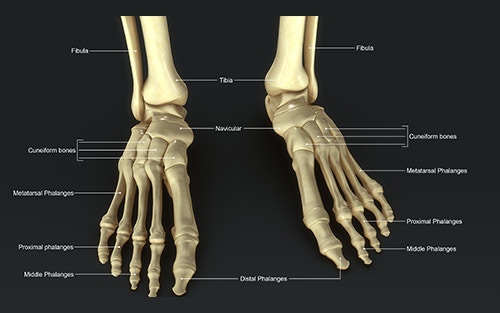
anatomical illustration of the foot - showing its structure and arch

The human foot contains two types of longitudinal arches—medial and lateral—and two types of transverse arches, all of which are essential to its function. The medial longitudinal arch is the highest and most flexible, while the lateral arch is lower and more rigid, offering stable support. The transverse arches help regulate the foot’s balance between elasticity and stiffness, which is necessary for effective propulsion. These arches are formed by a network of bones, ligaments, and tendons that work together to provide both stability and flexibility.

During weight-bearing activities, the arches flatten slightly and return to their shape once the load is removed, highlighting their dynamic nature. This adaptability allows the foot to conform to various surfaces while providing both support and flexibility during movement. Think of the arches as functioning like a stone bridge, combining structural strength with elastic properties to bear weight efficiently.

Intrinsic and extrinsic muscles also play a key role in maintaining the arch’s shape and providing dynamic support throughout daily activities. The arches are crucial for weight bearing, balance, and shock absorption, making them fundamental to overall foot health.

By understanding the anatomy of the high-arched foot, you can better appreciate the complexity and vital role of these structures in supporting healthy, pain-free movement.

Common Causes of Pain in the Arch of the Foot

person holding their foot in discomfort

There are multiple factors that may cause pain in the arch of the foot. These conditions can vary in nature and severity. Common causes of foot issues are plantar fasciitis and flat feet. Other factors include cavus foot and posterior tibial tendon dysfunction. Plantar fasciitis, characterized by inflammation in the band of tissue along the bottom of the foot, often presents as sharp pain in the arch. Flat feet can also lead to pain in the arch and other areas due to the lack of structural support.

Posterior tibial tendon dysfunction can cause arch pain due to inflammation or tearing of the tendon. The posterior tibial tendon connects to the structures of the foot, and another condition, Morton’s neuroma, affects the nerves of the foot and can lead to arch pain. Bursitis, which results in inflammation in the bursae, can also cause discomfort in the arch area of the foot.

Prolonged standing is a common contributor to arch pain, as continuous stress on the feet can lead to discomfort and strain. Recognizing the typical causes of arch pain is key to identifying underlying issues and pursuing appropriate treatment options. If the pain persists, it’s important to consult a foot specialist to determine the root cause and develop an effective treatment plan.

Symptoms and Diagnosis of Arch Pain

The primary symptoms of arch pain can include sharp, burning, or throbbing pain. Patients often describe sensations like tightness, pulling, burning, or a ripping feeling in the mid-arch area. Sharp pain in the arch can indicate strain or sprain in muscles or ligaments, or plantar fasciitis. Throbbing pain may suggest injury, inflammation, fracture, or nerve problems, and some may also experience a stabbing pain.

A thorough medical history is often the first step in diagnosing arch pain. A comprehensive physical examination usually follows this. During the physical examination, doctors look for signs of inflammation such as redness, warmth, and swelling. They may also assess the ligaments, fascia, or tendons to identify any abnormalities. If necessary, further tests, including imaging tests, may be required to confirm the diagnosis of experienced arch pain.

A proper diagnosis is crucial for developing an effective treatment plan. Persistent arch pain should be professionally diagnosed to identify the underlying cause and guide appropriate treatments.

Effective Home Remedies for Arch Pain
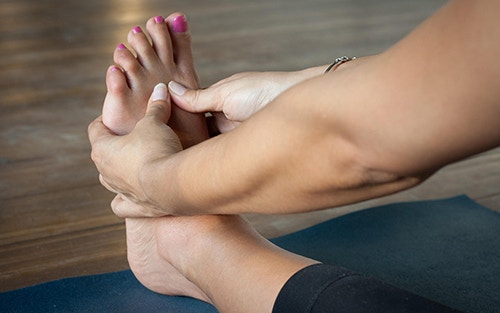
person performing foot stretches on a yoga mat

Effective home remedies for arch pain include rest, ice packs, and over-the-counter anti-inflammatory medications. Resting your feet and avoiding activities that exacerbate the pain can significantly help in reducing discomfort. Applying ice to the affected area after physical activities can also help reduce pain and inflammation.

Over-the-counter nonsteroidal anti-inflammatory drugs can be effective in managing arch pain, providing relief from inflammation and discomfort. Wearing shoes with soft soles and arch supports can help distribute weight and relieve pain on the feet. Alternating between different pairs of shoes can help reduce foot fatigue and promote better foot health.

Footwear designed for sports should offer shock absorption and stability to help prevent injuries during physical activity. Lace-up boots can reduce foot soreness by supporting proper leg alignment and distributing pressure evenly. Using shoe inserts as a home remedy can also help relieve pain and promote overall foot health.

Foot Stretches to Alleviate Arch Pain

Stretching exercises explicitly targeting the foot can alleviate discomfort associated with arch pain. One key exercise is the plantar fascia stretch, which involves pulling the toes back to stretch the bottom of the foot. This stretch can help relieve tension and improve flexibility in the plantar fascia, reducing pain and helping treat plantar fasciitis.

Performing marble pickups helps strengthen the foot muscles by using the toes to lift small items off the ground. Another effective exercise is heel raises on a step, which can enhance calf muscles and arch flexibility by allowing the heels to drop below the step level. Towel scrunches, which involve pulling a towel toward oneself with the toes, can also help build strength in the foot arch.

Regular stretching of the arches and surrounding muscles can enhance flexibility and reduce pain. Adding these stretches to your daily routine can significantly improve foot health and alleviate arch pain.

Medical Treatments for Severe Foot Pain

Medical treatments for severe arch pain include medical foot massage, physical therapy, custom orthotics, and potential surgical options. Consulting an orthopedic surgeon or foot specialist can lead to personalized treatment strategies that effectively manage chronic arch pain. Skilled podiatrists are essential in providing tailored treatment plans for individuals suffering from arch pain.

Custom-made insoles can effectively address specific foot problems, improving posture and alleviating pain. If home remedies and exercises are ineffective for arch pain, medical treatments such as corticosteroid injections, night splints, and an ankle brace may be necessary for relief and healing. These treatments can help reduce inflammation, provide support, and alleviate pain.

Seeking professional medical treatments can significantly improve your foot health and quality of life. Severe foot pain should prompt a visit to a foot specialist for an accurate diagnosis and an effective treatment plan regarding your foot condition.

Preventive Measures for Maintaining Foot Health

variety of supportive shoes displayed on a store shelf

Proper footwear can significantly improve foot health by providing adequate support and cushioning. Selecting activity-appropriate footwear with adequate support helps in preventing foot pain. Well-cushioned shoes with proper arch support and more supportive shoes are crucial for managing chronic arch pain. It is essential to wear supportive shoes to enhance overall comfort and ensure good arch support.

Maintaining a healthy weight reduces pressure on the feet, helping to prevent discomfort and potential foot problems. Obesity can contribute significantly to foot pain, including arch pain. Incorporating low-impact exercises into your routine can help manage arch pain, improve foot health, and help you lose weight.

Wearing ill-fitting shoes is a common factor in developing arch pain. Problems with the feet can lead to altered walking patterns, increasing stress on knees, hips, and lower back. By taking preventive measures, you can maintain healthy feet and avoid future arch and heel pain.

Living with Chronic Arch Pain

Managing pain and maintaining quality of life are significant challenges for individuals with chronic arch pain. Using effective pain management strategies can enhance overall foot health for those with arch pain. Effective pain management strategies and care are crucial for managing symptoms of arch pain.

Chronic foot pain can contribute to mental health issues, including anxiety and depression, especially during prolonged periods. Addressing both the physical and mental aspects of chronic pain and its associated risk factors is essential for overall well-being, as many individuals may feel pain in various ways.

Adopting a holistic approach to managing chronic arch pain can improve your quality of life and maintain a positive outlook.

Pain in Arch of Foot Summary

In summary, understanding the importance of foot health, the anatomy of the foot arch, and the common causes and symptoms of arch pain is crucial for effective management and treatment. Home remedies, foot stretches, and medical treatments can all play a role in alleviating pain and improving foot health. Preventive measures such as proper footwear, maintaining a healthy weight, and regular exercise are essential for long-term foot health.

Living with chronic arch pain can be challenging, but with the right strategies and support, it is possible to manage pain and maintain a good quality of life. Taking proactive steps to care for your feet can ensure they remain strong and pain-free, allowing you to enjoy an active and fulfilling life.

Foot Palace Massage Spa Athens

196 Alps Rd Ste 31, Athens,  GA 30606
(706) 521-5290

To view the original version on Foot Palace, visit: https://yourfootpalace.com/pain-in-the-arch-of-the-foot-explained/

Monday, June 24, 2019

Three Common Foot Problems – Symptoms and Treatment

Do your feet hurt? That pain may represent a grave illness which can lead to severe debilitation or amputation if not addressed.

Symptoms and treatment of common foot pain problems

Our feet carry much more than our weight, they are responsible for our mobility and our physical stability. When something goes wrong with your feet, it should be addressed immediately before developing into something far more serious.

yourfootpalace.com gathered information on three common foot problems, their symptoms, and best treatment options.

Athlete’s Foot Symptoms and Treatment

Athlete’s foot, known as tinea pedis or ringworm of the foot, is a fungal infection affecting the feet. The fungus’ bacteria is easily transmitted from person to person by skin contact or any other contaminated surface. The infection typically appears first between the toes, and may spread like a rash to other parts of the feet, including infecting, thickening, and discoloring toenails.

Symptoms of Athlete’s Foot – The following symptoms may vary from person to person and in intensity:

• Itching, burning, stinging, peeling skin, or wounds between the toes
• Itchy rashes or blisters
• Dry, flaky skin on the soles or sides of your feet
• Cracking and peeling skin on the soles and heels
• Raw, itchy skin on your feet
• Discolored or deformed toenails

Athletes foot symptoms and treatment tinea pedis

If you are experiencing any, or a combination of these symptoms, contact your primary care physician. Treating athlete’s foot may require medication and possible changes in hygiene. You may be referred to a podiatrist (foot doctor) or dermatologist (skin doctor). However, in most cases, your primary care physician can treat your infection successfully.

The following are used to treat athlete’s foot:

Topical Over The Counter (OTC) – Cremes, sprays, and ointments containing clotrimazole or terbinafine hydrochloride are effective in reversing the effects of athlete’s foot in its early stages.

Prescription Topical Medication – More severe cases of athlete’s foot may require more aggressive treatment. Your doctor may prescribe a topical medication containing:

• Ketoconazole
• Oxiconazole
• Sertaconazole
• Sulconazole
• Naftifine
• Clotrimazole
• Econazole
• Butenafine
• Ciclopirox
• Clotrimazole-betamethasone

Prescription Oral Medication – Prescription oral medication typically clears up infections much faster than topical applications. When necessary, the following oral medication may be prescribed:

• Terbinafine (Lamisil)
• Itraconazole (Sporanox)

While using oral anti-fungal drugs, there is a risk of developing hepatoxicity (chemical-driven liver damage) exacerbated by pre-existing liver disease, chemical components of the drug, drug to drug interactions, environmental factors, and patient demographics. Your doctor may occasionally request blood tests to evaluate and monitor the effects on your liver.

Plantar Fasciitis Symptoms and Treatment

The plantar fascia is a band of deep tissue running from the heel bone to the toes. Plantar fasciitis injuries typically result from overuse, commonly occurring from repetitive actions involving running or jumping. It may also be related to bad or abnormal foot mechanics, improper, or poorly fitting footwear.

Plantar Fasciitis Symptoms – Plantar fasciitis is the deformation or a tear of this tissue. It may cause the following:

• Irritation
• Inflammation
• Pain

Swollen foot from plantar fasciitis symptoms

Some other factors that increase your risk of developing plantar fasciitis may include:

Age – Plantar fasciitis occurs more commonly in people between the ages of 30 and 60.
Obesity – Extra weight can stress the plantar fascia.
Standing – Long term standing on hard surfaces can damage the tissue.

The following treatment and tips may provide relief:

Wear Appropriate Footwear – Use footwear with a good fit, avoiding flat soles with little to no support.

Rest and Stretch – Rest is one key to recovery in cases of overuse. Combining that with daily stretching exercises and frequent massages will aid in the recovery process.

Use a Splint – A splint used at night can help keep your foot and ankle in the proper position while you sleep.

Ice Treatment – Roll your foot on a frozen water bottle for several minutes two to four times per day, or apply an ice pack to the bottom of your foot for 15 minutes, two to three times a day.

If the pain continues, consult your primary care physician.

For more on plantar fasciitis read yourfootpalace.com/how-foot-massage-can-relieve-your-plantar-fasciitis-pain/ and to schedule a foot massage, visit yourfootpalace.com

Diabetic Neuropathy Symptoms and Treatment

Nerve damage from diabetes is called diabetic neuropathy. Some form of nerve damage occurs in half of all those affected by diabetes.

Paralysis from diabetic neuropathy foot problems

Symptoms of Diabetic Neuropathy – The following symptoms may occur in those experiencing neuropathy:

• Lack of coordination, stumbling and falling
• Muscle weakness
• Numbness, prickling or tingling in the feet or hands
• Extreme sensitivity
• Pain during normal activities
• The sensation of wearing socks when you’re not
• Paralysis
• Heat intolerance

Treatment for Diabetic Neuropathy – Early treatment for those who already have nerve damage will help prevent or delay further damage:

• Keep your blood glucose levels on target
• Meal Planning
• Physical Activity
• Medication

The two ways to keep track of your blood glucose levels are:

• Use a blood glucose meter to guide you in adjusting your day-to-day care.
• Get an A1C test at least twice a year to reveal your average blood glucose for the past 2 to 3 months.

Blood glucose meter diabetic neuropathy symptoms and treatment

By checking your blood glucose levels regularly, you can detect whether your diabetes care plan is working or if changes may be needed. Make your feet a priority by:

• Paying attention to and taking care of your feet.
• Seeking immediate medical treatment if you experience heightening symptoms or problems.
• Using lotion on your skin for dry feet, and wear shoes and socks that fit well.
• Using warm water to wash your feet and drying them thoroughly.
• Checking your feet multiple times per day. A foot injury may go unnoticed if you are unable to feel pain. Injuries that become infected or left unattended may lead to severe health complications, including amputation.
• Special shoes may be required, and Medicare may pay for them. Ask your physician about this.
• Changes in your everyday routine may be required. Consult your physician on which exercises and activities should be avoided or altered to prevent foot injuries.

Foot health with good fitting shoes and socks

Use your eyes to inspect your feet, and use a mirror to see the bottoms of your feet. Using your hands, feel for bumps, and dry skin. Look for corns, calluses, blisters, swelling, ingrown toenails, and toenail infections. If you cannot see or reach your feet, get help from a friend, family member, or from your foot doctor.

For more detailed information about diabetic neuropathy, visit mayoclinic.org/diseases-conditions/peripheral-neuropathy/symptoms-causes/syc-20352061

Foot Pain and Common Problems

When your feet are hurting, don’t second guess it. Address it! When something goes wrong with your feet, treatment is usually simple and can be accomplished by making minor adjustments in your daily routine.

In this article, you discovered three common foot problems, their symptoms, and easy ways to treat them.

Ignoring your foot problems can lead to serious health risks, and when your foot pain is caused by a health problem, not treating it can lead to grave consequences.

Sources:
https://health.clevelandclinic.org/chronic-heel-pain-4-simple-fixes-for-your-plantar-fasciitis/
http://www.diabetes.org/living-with-diabetes/complications/neuropathy/

Foot Palace Massage Spa Athens
1720 Epps Bridge Pkwy Ste 106, Athens,  GA 30606
(706) 521-5290

Foot Palace Massage Spa Braselton
2095 Highway 211 NW Suite 7B, Braselton, GA 30517
(678) 963-5958

To view the original version on Foot Palace, visit: https://www.yourfootpalace.com/three-common-foot-problems-symptoms-treatment/

Wednesday, September 12, 2018

7 Benefits of A Reflexology Foot Massage

Reflexology foot massage benefits Athens Georgia

The most used, abused, and neglected part of the body is our feet. They are always in motion and over time can make us miserable with annoying pain and discomfort.

Reflexology foot massages relieve stress and built up tension. Adding this to your personal health and wellness plan will advance your efforts to live a healthier and less stressed lifestyle.

Below, yourfootpalace.com massage experts share their knowledge and experience of how reflexology foot massages can benefit your overall well-being, and answer some frequently asked questions.

What Is Reflexology Good For?

When applied by professionals, this ancient form of massage is able to aid in several aspects of relaxation, improved wellness, and pain relief. Below are seven reflexology benefits and reasons to book your foot reflexology appointment.

#1 – Encourages Relaxation – Reflexology can flood the neural pathways with relaxation, inducing a state of peace and tranquility within the body and mind. This physiological change results in the reduction of stress.

Stress reduction through reflexology therapy is frequently associated with relieving sleep disorders. This is accomplished by helping your body return to a more relaxed and balanced state, simultaneously working to restore a healthy Circadian rhythm, which is needed for sufficient sleep.

#2 – Promotes Nervous System Stimulation – Open neural pathways benefit our central nervous system in a variety of ways. The brain is able to handle inputs more effectively, essentially speeding up cognitive strengths; thus, increasing the speed of physical reactions, which boosts your memory. Overall, the entire brain is able to work faster and more efficiently.

#3 – Relieves Migraines and Headaches – Reflexology is often sought after by people in pain, because reflexology can reduce the severity of migraines and headaches by increasing blood flow and relieving muscle tension. Since stress and psychological factors often manifest themselves as migraine symptoms, stress-induced headaches can also be eliminated.

Benefits of reflexology foot massage in Athens Ga

#4 – Revitalizes Nerve Function – Nerve endings lose sensitivity in parts of our body as we age (more so in the extremities). Reflexology has been associated with the stimulation of more than 7,000 different nerve endings during a 1-hour session, naturally increasing nerve functioning and reactivity.

The opening and cleansing of neural pathways helps improve overall functionality and reduces toxicity within the body.

#5 – Improves Circulation – Probably the most well known and verified results of reflexology is an improvement in circulation throughout the entire body, which means blood and oxygen are being cycled throughout the body more effectively.

Due to this benefit, oxygen reaches vital organ systems, optimizing their function and increasing the metabolism.

#6 – Increases Energy Levels – By aligning functions of organ and muscle systems, reflexology has the potential to increase the metabolism and energy creation. In other words, reflexology sessions can help to re-energize your body and mind.

#7 – Relieves Plantar Fasciitis Pain – Reflexology can help ease the pain and discomfort caused by plantar fasciitis. Reflexology is beneficial as it uses pressure point techniques to release tension, relieving the heel pain caused by plantar fasciitis. A natural cure for plantar fasciitis is a professional foot massage. To learn more, read yourfootpalace.com/how-foot-massage-can-relieve-your-plantar-fasciitis-pain/

Frequently Asked Questions

Q: Why does foot reflexology work?
A: A reflexologist’s application of pressure to the feet, hands, or ears sends a calming message from peripheral nerves to the central nervous system, which then signals the body to adjust the level of tension.

Q: Is Foot Reflexology painful?
A: In Western reflexology, when a client experiences higher levels of pain, the reflexologist eases the pressure. In Chinese Reflexology, when painful points are found, the reflexologist focuses on that pain.

Q: Is reflexology good for arthritis feet?
A: Massage is beneficial for the body overall. Increasing blood flow helps relieve pain and reflexology is a gentle process that can also help reduce the pain, along with the swelling and discomfort associated with arthritis.

Q: How often should you get reflexology?
A: For those new to reflexology, weekly sessions for four to six weeks is a good start, after which biweekly or monthly visits should be sufficient for overall improved well-being.

Q: How long is a reflexology session?
A: A complete session means attending to all areas of both feet. This varies from 30, 60, and 90-minute sessions depending on the style of Reflexology and the health of the client.

Q: Can reflexology help with plantar fasciitis?
A: Reflexology can indeed help relieve some of the pain and discomfort caused by plantar fasciitis. Reflexology is beneficial because it uses pressure point techniques to release the tension in the feet, thus relieving the heel pain caused by plantar fasciitis.

To learn more about why reflexology may be right for you, watch this video.

Reflexology Benefits Your Health and Wellness

As you have learned, the addition of reflexology foot massages to your health and wellness plan can significantly influence your daily life and well-being.

Pain relief, nerve stimulation, blood flow, migraine relief, and so much more can be achieved through reflexology. And in the absence of abnormalities, reflexology may be as effective for promoting better health and preventing illness, as it may be for relieving the symptoms of stress, injury and improving your mood.

The prolonged neglect of our feet only adds to the list of aches, pains, and potential medical issues as we age. Adding frequent reflexology foot massages to your health and wellness strategy can result in tremendous short and long-term benefits.


Foot Palace Massage Spa Athens

1720 Epps Bridge Pkwy Ste 106, Athens, GA 30606

(706) 521-5290

To view the original version on Foot Palace, visit: https://www.yourfootpalace.com/7-benefits-reflexology-foot-massage/

Monday, August 27, 2018

Cancer and Reflexology

Cancer treatment patient reflexology therapy Braselton Ga

Cancer patients often experience high levels of anxiety and stress after treatment. Reflexology is a form of therapy that can help them find relief.

Study after study confirms that reflexology aids cancer patients in relaxing and coping with stress. With such mounting evidence, it is only natural to conclude that this ancient art of therapy should indeed be a part of their recovery.

The reflexology experts at Foot Palace gathered the following information to heighten your awareness of the ancient roots of this therapy, of how reflexology helps cancer patients, and to dispel some myths about it.

How Does Reflexology Help Cancer Patients?

Cancer treatments like chemotherapy, hormone therapy, radiation, medication, and surgery can leave patients with an array of side effects including anemia, fatigue, nausea and vomiting, pain, and nerve problems, to name a few.

Reflexology is known for easing the side effects of cancer treatments by:

  • Improving sleep
  • Reducing anxiety
  • Reducing chemo associated vomiting and indigestion

Reflexology Braselton Georgia pain relief comfortable sleep

Reflexology may also help mitigate the spread of cancer by promoting increased circulation which stimulates antioxidant activity, a known aide in destroying cancer cells. This research is ongoing and promising towards the increase of quality of life for cancer patients and survivors.

Understanding Reflexology and Its Background

Archaeological evidence indicates that reflexology not only existed but was practiced in China and Egypt over 4,000 years ago. Long before the diagnosing and treating of cancer.

As defined by Foot Palace:

“Reflexology is a therapeutic method of massage that relieves stress and tension by stimulating pressure points within the hands and feet by alleviating the source of your discomfort.” “…reflexology may be as effective for promoting better health and for preventing illness, as it may be for relieving symptoms of stress, illness, injury and for improving your mood.”

Reflexology in Braselton Ga foot massage

In the early 1900’s an American ear, nose, and throat physician named William Fitzgerald, MD suggested that the foot could be “mapped” to diagnose and potentially treat medical conditions. His work divided the body into 10 zones and mapped the foot in accordance to it. Zone therapy was born.

Then in the 1930s, Eunice Ingham, a nurse, and physiotherapist, added reflex points to Fitzgerald’s maps. The name zone therapy then changed to reflexology.

Modern reflexologists train under Ingham’s method or that developed by the reflexologist Laura Norman. All employ the fundamental principles in use for millennia.

Can Reflexology Cure Cancer?

While there is currently no “scientific evidence” to prove that reflexology can cure or prevent any disease, including cancer, there is evidence along with ongoing studies that reflexology is useful in the mitigation of stress, anxiety, discomfort, and much more.

The best way to answer this question is:
Not “no” and not “yes,” at least not yet.

Can Reflexology Spread Cancer

Some may argue that deep tissue massages and other methods which apply pressure in motion to the body may cause the spread of cancerous tissues.

Reflexology differs from other massage methods by focusing on the reflex points of the hands and feet.

There is no indication that reflexology applied by trained reflexologists poses any threat of spreading cancer.

Cancer Patients Finding Relief in Reflexology Treatments

As cancer treatments will typically result in elevated levels of stress, discomfort, and anxiety, reflexology is a perfect fit for post-treatment therapy. And while many myths surround reflexology, let’s not forget that its fundamental principles are thousands of years old.

Reflexology in Braselton Georgia hand massage

As research from a variety of studies have shown, recovering cancer patients with reflexology included in their therapy experienced better capabilities in coping with stress and anxiety, pain relief, less shortness of breath (a common symptom after breast cancer treatments), and better abilities to perform daily or ordinary tasks.

While the full benefits of reflexology may not be fully understood, it is indeed a way for recovering patients to lessen their anxiety and cope better with the pain, thus potentially returning a portion of their dignity and quality of life to them.

Sources:
https://www.ncbi.nlm.nih.gov/pubmed/23107851
https://www.breastcancer.org/research-news/20121126-2
https://www.takingcharge.csh.umn.edu/history-reflexology
https://www.cancer.gov/about-cancer/treatment/side-effects


Foot Palace Massage Spa Braselton
2095 Highway 211 NW Suite 7B, Braselton,GA 30517
(678) 963-5958

To view the original version on Foot Palace, visit: https://www.yourfootpalace.com/cancer-and-reflexology/

Monday, September 25, 2017

The Benefits of a Couples Massage

Couples massage in Athens Ga

If you and your loved one are looking for a way to spice up the relationship, why not consider a couple’s massage? This massage yourfootpalace.com/couples-massage-athens-ga/ is a wonderful way to get closer to each other while investing in some quality rest and repair for yourself.

How Couples Massages Can Rejuvenate Your Relationship

Spontaneity in shared experiences is always a great way to reconnect with your significant other, and what better way to spend a portion of your day than receiving a massage service together? Couples that engage in new activities together show higher rewards for connectivity and engagement than those who don’t.

In today’s busy world there is seemingly less time being set aside to relax with your loved one. By allotting yourselves time together you’re putting the relationship first and strengthening your bond with your partner. Getting a couple’s service can be a great way to spend a day together and rekindle that flame.

How Reflexology Helps Relieve Stress

As a touch therapy, reflexology is one of the best ways to help ease stress. Reflexology services help release serotonin, oxytocin (aka the cuddle chemical) and dopamine in the body, which paired with a partner can you leave you both feeling more affectionate and ready to spend some alone time with each other. Aside from making a great gift, bringing someone with you to receive a service is a wonderful way to show them how much you mean to them.

Whether you’re wanting to get away from the stresses of everyday life or needing some one on one time with your significant other, couples massage is forever a great option!


Foot Palace Massage Spa Athens

1720 Epps Bridge Pkwy Ste 106, Athens, GA 30606

(706) 521-5290

To view the original version on Foot Palace, visit: http://http://www.yourfootpalace.com/benefits-couples-massage/  

Friday, April 29, 2016

Relieve Plantar Fasciitis Pain with a Foot Massage

Plantar fasciitis bones and feet ligaments
Plantar fasciitis is one of the most common orthopedic complaints.  Those that suffer often experience sharp heel pain and stiffness with their first step out of bed in the morning. This pain can range from mild discomfort to debilitating and is caused from inflammation of the plantar fascia tissue. This thin web-like ligament runs across the bottom of your foot connecting your heel bone to your toes. This thin ligament is the foot’s arch support that helps you walk. The pain normally lessens as your foot limbers up throughout the day, but it can return if you spend a majority of your day standing. We don’t consider it, but our daily lives put a lot of stress on our feet and plantar fascia ligament.

Plantar fasciitis affects nearly 2 million Americans each year and is a common orthopedic condition frequently found in runners. The ligament normally acts as a shock absorber, and putting too much pressure on this ligament can wreak havoc on your feet. Although, planter fasciitis doesn’t just affect runners, you may also be at risk if you are overweight, late in a pregnancy, menopausal, or wear shoes with inadequate arch support. Maintaining a healthy weight, stretching before physical activity, and wearing shoes with proper arch / heel support may mitigate your risk.

A specialized massage can help relieve some of the pain and discomfort caused by plantar fasciitis.  A reflexology massage is beneficial because it uses pressure point techniques to release tension in the feet and relieves heel pain caused by plantar fasciitis. A less invasive natural treatment for Plantar Fasciitis is to massage the feet. Plantar Fasciitis surgery is too invasive for most people and costs a lot of money!

During a reflexology massage session, you fist soak your feet in hot Epson mineral salt water to help draw inflammation out of the sore muscles. Once your muscles have loosened up from the warm salt soak, a therapist begins working on breaking up the “crystals” in your feet, loosing up the tight bands of the fascia, and then stretches the ligaments and Achilles tendon.  This massage technique helps to further relax the muscles in the feet and calves, and increases circulation and flexibility. Consequently, increased circulation and flexibility in your lower legs and feet reduces the inflammation causing pain. Like most injuries, there's no instant cure, but receiving regular foot massage and reflexology sessions can help you achieve pain relief in minutes. When treated frequently, this specialized massage helps to gradually experience less pain on a daily basis, and improves overall flexibility and range of motion in your feet, heels, and lower legs.


Wednesday, December 9, 2015

Spa Treatments: The History, Health Benefits and Growing Popularity

relaxing in an athens ga spa
Image: Foot Palace of Athens
Who doesn’t enjoy a little rest and relaxation? Today spas and hot springs are in the top two tourist inspired destinations globally. The most visited are located in the Mediterranean and in far Eastern Asia. 

Since the beginning of modern civilization we have been enjoying mineral baths, foot spas, and a plethora of spa related indulgences. Not only do these spa inspired R&R retreats alleviate stress, they improve our health - giving ample cause for vacationers to flock to spas on their work holidays. 

In many countries spa practices are not just for holidays, the spa is a daily or weekly part of a typical health regimen. If a little R&R on the annual vacation can alleviate stress and improve your mood, imagine how you would feel integrating spa practices into your regular health regimen.


The earliest descriptions of spa practices originated in Greece. The Grecians introduced the first foot baths in the second millennium BC. These spas were established to promote healing using therapeutic water to relieve fatigue and to improve health. Archeologists have documented hot springs, mineral baths, and spas in nearly every ancient civilization for the same practices of curing physical and mental related ailments. 

In the Celtic hot spring baths of England, the spas are believed to purify the body both physically and spiritually. The Japanese foot baths or “Ashiyu” have been the source of health pilgrimages to various hot springs for over 1,600 years. 

So what is it about these foot spas that accounts for their prominence since ancient times? Spas improve circulation, reduce stress, alleviate headaches, reduce the symptoms of PMS, and many other ailments by detoxifying the body. Our feet and underarms are primary pathways for discharging toxins from the body. 

Feet also contain energy channels which have been long observed by the Chinese. The Chinese foot spa practices include reflexology, or the use of pressure points to aid in improving circulation and detoxification.


There are many ways of performing a foot detox today including the aforementioned reflexology, in addition to foot pads, ionic baths, and the more traditional mineral foot bath originating in ancient Roman spas. 

While it may be difficult to coordinate regular spa retreats, foot spas offering mineral baths and reflexology are a more convenient addition to every health regimen. Foot spas have been popular local destinations in the East, and are quickly becoming popular in the West as the health benefits of regular spa practices are recommended by health practitioners. 

Next time you are searching for a foot spa near you, be sure to inquire about reflexology.