Showing posts with label Wellness. Show all posts

Wednesday, December 17, 2025

Light Therapy For Seasonal Depression

As daylight hours shorten during fall and winter months, millions of people experience the debilitating effects of seasonal affective disorder. This condition, characterized by persistent sadness, fatigue, and social withdrawal, affects approximately 5% of adults in the United States. Fortunately, light therapy for seasonal depression has emerged as a highly effective, first-line treatment that offers hope for those struggling with winter depression.

light therapy for seasonal depression

This comprehensive guide examines the science behind bright light therapy, provides detailed usage instructions, and explores the extensive research supporting its effectiveness. Whether you’re considering starting light therapy for yourself or seeking to understand treatment options for a loved one, you’ll discover evidence-based insights into this remarkable therapeutic approach.

What is Light Therapy for Seasonal Depression?

Light therapy is a first-line treatment for seasonal affective disorder SAD that involves sitting near a special light box for 30 minutes each morning. This treatment uses bright artificial light at 10,000 lux to compensate for reduced sunlight exposure during the fall and winter months, effectively helping restore disrupted circadian rhythms and brain chemistry that cause seasonal depression symptoms such as persistent sadness, fatigue, and oversleeping.

The treatment represents a significant advancement in treating seasonal depression, offering patients an alternative to antidepressant medication. Unlike selective serotonin reuptake inhibitors, which can cause weight gain and other side effects, light therapy provides few side effects while delivering comparable therapeutic benefits. This effective treatment can produce remarkable improvements in depression symptoms within just several weeks of consistent use.

A mental health professional typically recommends light therapy as the primary intervention for seasonal affective disorder because it directly addresses the underlying cause of the condition. The therapy involves sitting with eyes open near a light therapy box that emits bright light at specific intensities designed to mimic natural sunlight. This exposure helps regulate the brain’s internal clock, which can become disrupted during winter months when natural light is significantly reduced.

Understanding Seasonal Depression and Light Exposure

Seasonal affective disorder affects the brain’s circadian rhythm, located in the suprachiasmatic nucleus, which regulates sleep, hormones, and mood. This critical brain region serves as the body’s master clock, coordinating various biological processes, including the production of neurotransmitters essential for mental health. When winter arrives, and natural sunlight becomes scarce, this internal timing system becomes severely disrupted, leading to the characteristic symptoms of seasonal depression.

The reduced winter daylight disrupts serotonin production and increases melatonin secretion, leading to depressive symptoms that distinguish seasonal affective disorder from major depressive disorder. Light receptors in the retina send signals to brain regions that control mood and cognition, particularly the prefrontal cortex. These neural pathways play a crucial role in maintaining emotional stability and cognitive function throughout the changing seasons.

Winter depression symptoms include hypersomnia, hyperphagia, weight gain, and social withdrawal, creating a distinct pattern different from typical depression. Unlike major depression, which may occur year-round, seasonal depression follows a predictable seasonal pattern, typically beginning in the fall and continuing through the winter months. This cyclical nature provides valuable clues about the underlying biological mechanisms and explains why light exposure therapy proves so effective for this particular mood disorder.

The connection between light exposure and mood regulation involves complex neurochemical processes that researchers continue to study. Environmental therapeutics specialists have identified that even on a cloudy day, outdoor light, which provides approximately 1,000 to 10,000 lux, can significantly impact brain chemistry. This understanding has revolutionized the treatment of SAD and highlighted the importance of maintaining adequate light exposure throughout the winter months.

How Light Therapy Works

Bright light exposure advances delayed circadian rhythms by signaling the suprachiasmatic nucleus through melanopsin-containing retinal cells. These specialized photoreceptors are distinct from the rods and cones responsible for vision and instead serve as the primary pathway for circadian rhythm regulation. When exposed to bright light, particularly during the first hour after waking, these cells send powerful signals to the brain’s master clock, helping to reset and maintain proper timing of various biological processes.
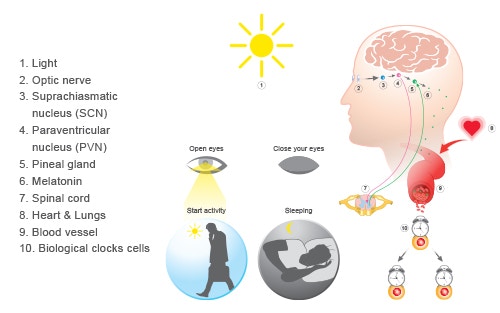
how light therapy works enters the eye signaling the suprachiasmatic nucleus for seasonal affective disorder SAD

The therapy reduces serotonin transporter binding activity, thereby increasing synaptic serotonin availability and improving mood. This mechanism explains why light therapy can help individuals with both seasonal and nonseasonal depression. Research has shown that serotonin, often called the “happiness neurotransmitter,” plays a crucial role in mood regulation, and light exposure directly influences its availability in the brain. This antidepressant effect occurs through natural biological processes rather than pharmaceutical intervention.

Light therapy also suppresses excess melatonin production during daylight hours, helping normalize sleep-wake cycles. Melatonin, the hormone responsible for promoting sleepiness, typically rises in the evening and falls in the morning. However, during winter months, this natural rhythm becomes disrupted, leading to excessive daytime sleepiness and disrupted nighttime sleep. Bright light exposure in the morning helps restore this crucial hormonal balance.

Blue wavelength light around 480 nanometers proves most effective for circadian rhythm entrainment, though full-spectrum white light remains the standard for sad treatment. This specific wavelength most effectively stimulates the melanopsin-containing retinal cells responsible for circadian regulation. However, light therapy boxes typically use broad-spectrum white light to ensure safety and effectiveness across different individual responses. The systematic review of clinical evidence consistently demonstrates that properly administered light therapy works through these multiple complementary pathways to restore normal brain function.

Proper Light Therapy Usage Guidelines

Using a light therapy box requires specific protocols to maximize effectiveness and safety. The standard recommendation is to use a 10,000 lux light box for 30 minutes every morning, ideally within the first hour after waking. This timing proves crucial because morning light exposure most effectively signals the brain to reduce melatonin production and increase serotonin availability, creating the optimal conditions for mood improvement.

Position the light box 16-24 inches away, either directly in front or slightly to one side of your visual field. The device should be angled downward toward your eyes, mimicking the sun’s natural position. Keep eyes open but avoid staring directly at the light source; you can read, eat breakfast, or work during treatment. This positioning ensures adequate light intensity reaches the retinal cells responsible for circadian regulation while maintaining safety and comfort.

person using light therapy while reading for SAD to improve mood and depression symptoms

Begin treatment in early fall, ideally September or October, before symptoms worsen, and continue through winter until spring. This proactive approach, recommended by most mental health professionals, helps prevent the full development of seasonal depression symptoms. Starting light therapy before the onset of severe symptoms proves more effective than waiting until depression symptoms become debilitating.

Choose light boxes certified by organizations like the Center for Environmental Therapeutics that filter harmful UV rays. Quality devices should produce minimal ultraviolet light to ensure safety during prolonged use. Smaller light boxes may seem convenient, but they often fail to provide adequate light intensity across the full visual field. When selecting equipment, prioritize devices with large enough surface areas to deliver consistent 10,000 lux exposure.

Safety Considerations and Contraindications

Consult a healthcare provider before starting, especially if you have conditions such as bipolar disorder, as light therapy may trigger manic episodes in susceptible individuals. This condition requires careful monitoring because the same mechanisms that improve depression symptoms can potentially destabilize mood in people with bipolar disorder. A mental health professional can help determine whether light therapy represents a safe treatment option or if alternative approaches would be more appropriate.

People taking medications that increase light sensitivity, such as certain antibiotics and anti-inflammatories, should seek medical guidance before starting light therapy. These photosensitizing medications can increase the risk of eye damage or skin irritation when combined with bright light exposure. Additionally, individuals taking medication for other conditions should discuss potential interactions with their healthcare provider.

Those with retinal conditions, glaucoma, or cataracts need an ophthalmologist’s approval before treatment. These eye conditions can affect how light is processed, potentially increasing the risk of eye damage from exposure to bright light. An eye care professional can assess individual risk factors and provide guidance on safe usage protocols.

Pregnant women and elderly individuals often benefit from light therapy, as it avoids medication side effects associated with antidepressant medication. The treatment’s safety profile makes it particularly attractive for populations where pharmaceutical interventions carry additional risks. However, even these generally safe populations should consult with healthcare providers to ensure proper monitoring and usage.

Effectiveness and Research Evidence

The light therapy antidepressant effect typically appears within 3-7 days, significantly faster than traditional antidepressants, which require several weeks to show benefits. This rapid response time represents a major advantage for individuals suffering from seasonal depression, allowing them to experience relief much sooner than with pharmaceutical alternatives. Clinical trials consistently show that when light therapy is effective, most people notice symptom improvement within about 1 week of starting treatment.

Combining light therapy with selective serotonin reuptake inhibitors improves response rates in patients according to research from associate professors at Harvard Medical School. This combination approach allows individuals to potentially use lower doses of antidepressant medication while achieving superior therapeutic outcomes. The research demonstrates that light therapy can serve as either a standalone treatment or as an effective adjunct to existing depression treatments.

Research reveals that morning light exposure is significantly more effective than evening light exposure. This finding aligns with chronobiological principles, which hold that morning light has a greater influence on circadian phase adjustment. The evidence consistently supports morning administration as the optimal timing for light therapy sessions.

Side Effects and Tolerability

Common mild side effects include eye strain, headaches, and initial irritability that typically resolve within a week of consistent use. These temporary effects usually diminish as individuals adapt to the treatment regimen. Most users find these minor inconveniences manageable, especially when weighed against the significant improvement in depression symptoms and overall quality of life.

Less frequent effects may include nausea, agitation, or sleep disturbances if treatment occurs too late in the day. The timing of light exposure proves crucial not only for effectiveness but also for minimizing potential side effects. Using the light box too close to bedtime can interfere with natural melatonin production and disrupt sleep patterns, potentially exacerbating rather than improving mood symptoms.

The side effect profile proves much more favorable than antidepressant medication, which can cause weight gain, sexual dysfunction, and withdrawal symptoms. Unlike pharmaceutical interventions, light therapy doesn’t require gradual dose adjustments or complex withdrawal protocols. This safety advantage makes light therapy particularly attractive for individuals concerned about medication side effects or those seeking non-pharmacological treatment approaches.

Most users can safely continue light therapy throughout winter with minimal adverse effects. The nonprofit organization guidelines emphasize that properly administered treatment carries low risk when used according to established protocols. Long-term use studies show that individuals can safely use light therapy seasonally for many years without developing tolerance or experiencing significant adverse effects.

Research indicates that light therapy produces few side effects compared to other treatment options for mood disorders. The natural mechanism of action, which works by restoring normal biological processes rather than introducing foreign substances, contributes to this favorable safety profile.

Light Therapy Equipment and Costs

clinically tested light therapy equipment box

Clinically tested light boxes cost approximately $150-$300, and some insurance companies cover devices for diagnosed cases of SAD. These therapeutic devices represent a one-time investment that can provide years of effective treatment. When compared to the ongoing costs of antidepressant medication or regular therapy sessions, light boxes often prove more economical over time.

Key specifications include 10,000 lux output, UV filtering, and a large enough light surface area of at least 12 by 15 inches. The light intensity measurement proves critical because insufficient lux levels won’t provide therapeutic benefits. Quality devices should clearly display their lux output at specific distances to help users position the device correctly for optimal treatment.

Dawn-simulation alarm clocks provide gradual morning light increases but are less effective than standard light therapy boxes. While these devices can supplement treatment, they typically don’t provide sufficient light intensity to treat depression symptoms effectively. Most dawn simulators produce only a few hundred lux, far below the 10,000 lux threshold required for therapeutic effect.

Avoid inexpensive imitations that may not meet therapeutic light intensity requirements or safety standards. Many consumer products marketed as “light therapy” devices fail to provide adequate lux levels or proper UV filtering. When selecting equipment, prioritize devices specifically designed for treating sad and certified by reputable organizations specializing in environmental therapeutics.

Consider features such as adjustable positioning, timer controls, and portability when selecting a device. Some smaller light boxes offer convenience for travel but may require longer treatment sessions to achieve the same therapeutic effect. The most effective treatment approach involves finding a balance between device effectiveness and practical usability that encourages consistent daily use.

Natural Light Alternatives

Early morning outdoor walks provide natural light therapy, with bright sunny days delivering approximately 50,000 lux of natural sunlight. This intensity far exceeds the 10,000 lux provided by artificial light boxes, making outdoor exposure highly effective when weather conditions permit. Even brief exposure to natural outdoor light can provide significant therapeutic benefits for individuals with seasonal depression.

Even on a cloudy day, outdoor conditions offer approximately 10,000 lux, equivalent to therapeutic light box intensity. This fact surprises many people who assume that overcast conditions provide insufficient light for therapeutic benefit. Walking outdoors for 30 minutes shortly after sunrise can provide benefits similar to those of artificial light therapy, even during winter months when cloud cover is common.

Walking for 30 minutes shortly after sunrise can provide benefits similar to those of artificial light therapy, while adding the additional advantages of physical exercise. This combination approach addresses multiple aspects of seasonal depression, including the mood benefits of physical activity and the circadian rhythm regulation provided by light exposure. The exercise component may enhance the overall antidepressant effect beyond what light exposure alone provides.

person walking outdoors by snow-covered trees in the bright sunlight, benefits of natural sunlight during winter months

Sunglasses can be worn on bright days without reducing therapeutic benefits, as adequate light still reaches the retinal cells responsible for circadian regulation. This flexibility allows individuals to protect their eyes from glare while still receiving therapeutic light exposure. However, very dark sunglasses may reduce the therapeutic effect, so lighter tints are preferable when possible.

For those with mobility limitations, sitting by a large south-facing window for 15 minutes can provide modest mood benefits during sunny periods. While this approach provides less intensive light exposure than dedicated light therapy devices, it represents an accessible option for individuals unable to use traditional equipment or go outdoors. The combination of natural sunlight and a comfortable indoor environment can make this approach particularly appealing for elderly individuals or those with physical limitations.

Even indirect natural sunlight exposure through windows provides some therapeutic value, though glass filtering reduces the overall light intensity. Strategic positioning near large windows during morning hours can supplement other treatment approaches and help maintain circadian rhythm regulation throughout the winter months.

Light Therapy Conclusion

Light therapy for seasonal depression represents a scientifically validated, accessible treatment that can significantly improve the quality of life for millions affected by seasonal affective disorder. With significant response rates and a rapid onset of benefits within one week, this effective treatment offers hope for those struggling with winter depression. The therapy’s favorable safety profile, minimal side effects, and proven effectiveness make it an excellent first-line treatment option.

The extensive research evidence confirms that bright light therapy works through well-understood biological mechanisms. By restoring proper circadian rhythms and normalizing neurotransmitter function, this treatment addresses the root causes of seasonal depression rather than merely masking symptoms.

Whether using a dedicated light therapy box or incorporating natural light exposure through outdoor activities, individuals have multiple options for implementing this evidence-based approach. The key to success lies in consistent use, proper timing, and following established protocols for safety and effectiveness.

If you’re considering light therapy for seasonal depression, consult with a mental health professional to determine the best approach for your individual situation. With proper guidance and consistent use, light therapy can help you reclaim your winter months and maintain optimal mental health throughout the seasonal changes.

Foot Palace Massage Spa Athens

196 Alps Rd Ste 31, Athens,  GA 30606
(706) 521-5290

To view the original version on Foot Palace, visit: https://yourfootpalace.com/light-therapy-for-seasonal-depression/

Monday, May 19, 2025

Pain In The Arch Of The Foot Explained

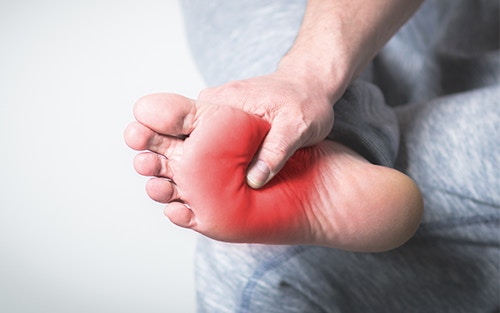
Is pain in the arch of your foot making daily activities difficult? This guide explains the causes and offers practical solutions to help you find relief and get back on your feet.

pain in arch of foot

Key Takeaways

  • Healthy foot arches are essential for overall foot health, providing support, balance, and shock absorption to prevent pain and complications.
  • Typical causes of arch pain include plantar fasciitis, flat feet, and posterior tibial tendon dysfunction, all of which make early diagnosis and treatment critical.
  • Effective management strategies for arch pain include home remedies, targeted foot stretches, proper footwear, and potential medical treatments when necessary.

Understanding the Importance of Foot Health

Foot pain, especially in the arch, can majorly impact your daily activities. It can disrupt your routine and make simple tasks more challenging. Imagine the discomfort of heel pain or arch pain interrupting your daily activities, making it difficult to stand, walk, or even sleep peacefully. Maintaining healthy arches is crucial as they prevent pain and complications, ensuring you remain active and mobile. Without proper care, minor foot problems can escalate into severe foot pain, affecting your overall quality of life.

The arches of the foot serve several essential functions, including supporting body weight and maintaining balance. Think of your foot arches as natural shock absorbers; they distribute your body weight evenly and aid in propulsion during movement. This distribution and cushioning are vital during physical activities, helping to reduce the impact on your feet and lower limbs.

Healthy arches also support various foot muscles and structures, preventing common foot conditions such as plantar fasciitis and flat feet. Wearing supportive shoes and engaging in regular foot stretches can help maintain foot health and prevent these issues. Understanding the importance of foot health allows for proactive steps to keep your feet strong and pain-free.

Anatomy of the Foot Arch and Its Functions

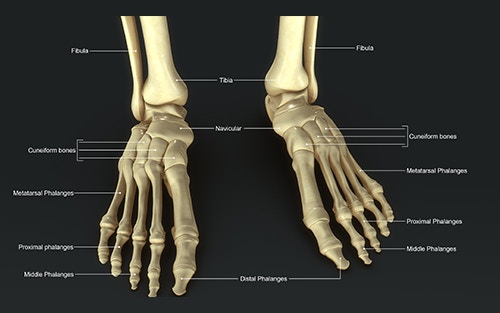
anatomical illustration of the foot - showing its structure and arch

The human foot contains two types of longitudinal arches—medial and lateral—and two types of transverse arches, all of which are essential to its function. The medial longitudinal arch is the highest and most flexible, while the lateral arch is lower and more rigid, offering stable support. The transverse arches help regulate the foot’s balance between elasticity and stiffness, which is necessary for effective propulsion. These arches are formed by a network of bones, ligaments, and tendons that work together to provide both stability and flexibility.

During weight-bearing activities, the arches flatten slightly and return to their shape once the load is removed, highlighting their dynamic nature. This adaptability allows the foot to conform to various surfaces while providing both support and flexibility during movement. Think of the arches as functioning like a stone bridge, combining structural strength with elastic properties to bear weight efficiently.

Intrinsic and extrinsic muscles also play a key role in maintaining the arch’s shape and providing dynamic support throughout daily activities. The arches are crucial for weight bearing, balance, and shock absorption, making them fundamental to overall foot health.

By understanding the anatomy of the high-arched foot, you can better appreciate the complexity and vital role of these structures in supporting healthy, pain-free movement.

Common Causes of Pain in the Arch of the Foot

person holding their foot in discomfort

There are multiple factors that may cause pain in the arch of the foot. These conditions can vary in nature and severity. Common causes of foot issues are plantar fasciitis and flat feet. Other factors include cavus foot and posterior tibial tendon dysfunction. Plantar fasciitis, characterized by inflammation in the band of tissue along the bottom of the foot, often presents as sharp pain in the arch. Flat feet can also lead to pain in the arch and other areas due to the lack of structural support.

Posterior tibial tendon dysfunction can cause arch pain due to inflammation or tearing of the tendon. The posterior tibial tendon connects to the structures of the foot, and another condition, Morton’s neuroma, affects the nerves of the foot and can lead to arch pain. Bursitis, which results in inflammation in the bursae, can also cause discomfort in the arch area of the foot.

Prolonged standing is a common contributor to arch pain, as continuous stress on the feet can lead to discomfort and strain. Recognizing the typical causes of arch pain is key to identifying underlying issues and pursuing appropriate treatment options. If the pain persists, it’s important to consult a foot specialist to determine the root cause and develop an effective treatment plan.

Symptoms and Diagnosis of Arch Pain

The primary symptoms of arch pain can include sharp, burning, or throbbing pain. Patients often describe sensations like tightness, pulling, burning, or a ripping feeling in the mid-arch area. Sharp pain in the arch can indicate strain or sprain in muscles or ligaments, or plantar fasciitis. Throbbing pain may suggest injury, inflammation, fracture, or nerve problems, and some may also experience a stabbing pain.

A thorough medical history is often the first step in diagnosing arch pain. A comprehensive physical examination usually follows this. During the physical examination, doctors look for signs of inflammation such as redness, warmth, and swelling. They may also assess the ligaments, fascia, or tendons to identify any abnormalities. If necessary, further tests, including imaging tests, may be required to confirm the diagnosis of experienced arch pain.

A proper diagnosis is crucial for developing an effective treatment plan. Persistent arch pain should be professionally diagnosed to identify the underlying cause and guide appropriate treatments.

Effective Home Remedies for Arch Pain

person performing foot stretches on a yoga mat

Effective home remedies for arch pain include rest, ice packs, and over-the-counter anti-inflammatory medications. Resting your feet and avoiding activities that exacerbate the pain can significantly help in reducing discomfort. Applying ice to the affected area after physical activities can also help reduce pain and inflammation.

Over-the-counter nonsteroidal anti-inflammatory drugs can be effective in managing arch pain, providing relief from inflammation and discomfort. Wearing shoes with soft soles and arch supports can help distribute weight and relieve pain on the feet. Alternating between different pairs of shoes can help reduce foot fatigue and promote better foot health.

Footwear designed for sports should offer shock absorption and stability to help prevent injuries during physical activity. Lace-up boots can reduce foot soreness by supporting proper leg alignment and distributing pressure evenly. Using shoe inserts as a home remedy can also help relieve pain and promote overall foot health.

Foot Stretches to Alleviate Arch Pain

Stretching exercises explicitly targeting the foot can alleviate discomfort associated with arch pain. One key exercise is the plantar fascia stretch, which involves pulling the toes back to stretch the bottom of the foot. This stretch can help relieve tension and improve flexibility in the plantar fascia, reducing pain and helping treat plantar fasciitis.

Performing marble pickups helps strengthen the foot muscles by using the toes to lift small items off the ground. Another effective exercise is heel raises on a step, which can enhance calf muscles and arch flexibility by allowing the heels to drop below the step level. Towel scrunches, which involve pulling a towel toward oneself with the toes, can also help build strength in the foot arch.

Regular stretching of the arches and surrounding muscles can enhance flexibility and reduce pain. Adding these stretches to your daily routine can significantly improve foot health and alleviate arch pain.

Medical Treatments for Severe Foot Pain

Medical treatments for severe arch pain include medical foot massage, physical therapy, custom orthotics, and potential surgical options. Consulting an orthopedic surgeon or foot specialist can lead to personalized treatment strategies that effectively manage chronic arch pain. Skilled podiatrists are essential in providing tailored treatment plans for individuals suffering from arch pain.

Custom-made insoles can effectively address specific foot problems, improving posture and alleviating pain. If home remedies and exercises are ineffective for arch pain, medical treatments such as corticosteroid injections, night splints, and an ankle brace may be necessary for relief and healing. These treatments can help reduce inflammation, provide support, and alleviate pain.

Seeking professional medical treatments can significantly improve your foot health and quality of life. Severe foot pain should prompt a visit to a foot specialist for an accurate diagnosis and an effective treatment plan regarding your foot condition.

Preventive Measures for Maintaining Foot Health

variety of supportive shoes displayed on a store shelf

Proper footwear can significantly improve foot health by providing adequate support and cushioning. Selecting activity-appropriate footwear with adequate support helps in preventing foot pain. Well-cushioned shoes with proper arch support and more supportive shoes are crucial for managing chronic arch pain. It is essential to wear supportive shoes to enhance overall comfort and ensure good arch support.

Maintaining a healthy weight reduces pressure on the feet, helping to prevent discomfort and potential foot problems. Obesity can contribute significantly to foot pain, including arch pain. Incorporating low-impact exercises into your routine can help manage arch pain, improve foot health, and help you lose weight.

Wearing ill-fitting shoes is a common factor in developing arch pain. Problems with the feet can lead to altered walking patterns, increasing stress on knees, hips, and lower back. By taking preventive measures, you can maintain healthy feet and avoid future arch and heel pain.

Living with Chronic Arch Pain

Managing pain and maintaining quality of life are significant challenges for individuals with chronic arch pain. Using effective pain management strategies can enhance overall foot health for those with arch pain. Effective pain management strategies and care are crucial for managing symptoms of arch pain.

Chronic foot pain can contribute to mental health issues, including anxiety and depression, especially during prolonged periods. Addressing both the physical and mental aspects of chronic pain and its associated risk factors is essential for overall well-being, as many individuals may feel pain in various ways.

Adopting a holistic approach to managing chronic arch pain can improve your quality of life and maintain a positive outlook.

Pain in Arch of Foot Summary

In summary, understanding the importance of foot health, the anatomy of the foot arch, and the common causes and symptoms of arch pain is crucial for effective management and treatment. Home remedies, foot stretches, and medical treatments can all play a role in alleviating pain and improving foot health. Preventive measures such as proper footwear, maintaining a healthy weight, and regular exercise are essential for long-term foot health.

Living with chronic arch pain can be challenging, but with the right strategies and support, it is possible to manage pain and maintain a good quality of life. Taking proactive steps to care for your feet can ensure they remain strong and pain-free, allowing you to enjoy an active and fulfilling life.

Foot Palace Massage Spa Athens

196 Alps Rd Ste 31, Athens,  GA 30606
(706) 521-5290

To view the original version on Foot Palace, visit: https://yourfootpalace.com/pain-in-the-arch-of-the-foot-explained/

Friday, April 18, 2025

The Difference Between Vitamins And Minerals

The difference between vitamins and minerals lies in their chemical nature, sources, and roles in the body. Vitamins are organic compounds from plants and animals, while minerals are inorganic elements from soil and water. This yourfootpalace.com article will help you understand these distinctions and how they impact your health.

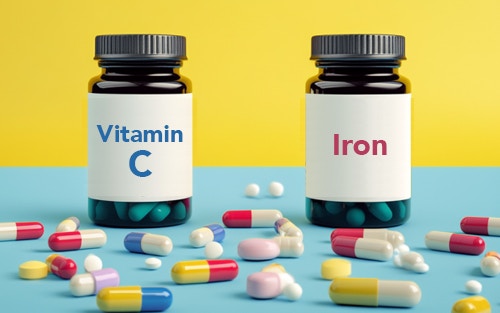
the difference between vitamins and minerals

Key Takeaways

  • Vitamins and minerals are essential micronutrients that support various bodily functions but do not provide energy directly.
  • Vitamins are organic compounds categorized into water-soluble and fat-soluble, while minerals are inorganic elements crucial for health and functioning.
  • A balanced diet rich in fruits, vegetables, lean meats, and dairy is vital for obtaining necessary vitamins and minerals while avoiding over-supplementation risks.

Understanding Vitamins and Minerals

Vitamins and minerals are classified as micronutrients, which, despite being required in smaller quantities compared to macronutrients like carbohydrates, proteins, and fats, are indispensable for the body’s smooth operation. These essential nutrients support various metabolic processes, helping to extract and utilize energy from the foods we consume. Unlike macronutrients, vitamins and minerals do not provide energy directly but are crucial in maintaining health and balance.

The body requires 13 essential vitamins to function properly, sourced primarily from plants and animals. On the other hand, minerals are inorganic elements obtained from the earth and water, absorbed by plants, and then consumed by animals and humans. This difference in sourcing is one of the many fascinating contrasts between these two types of nutrients.

Vitamins: The Organic Compounds

vitamins

Vitamins are organic compounds that our bodies derive from the foods we eat. These nutrients are essential for numerous bodily functions and are primarily sourced from vegetables, meats, and dairy products.

The diverse chemical structure of these organic compounds allows them to participate in a wide range of physiological processes, supporting everything from immunity to energy production.

Classification of Vitamins

Vitamins are classified into two main categories: water-soluble and fat-soluble. Water-soluble vitamins, which include vitamin C and B vitamins, dissolve in water and are not stored in the body. This means they need to be consumed more regularly to maintain adequate levels. On the other hand, the four fat-soluble vitamins, such as vitamins A, D, E, and K, do not dissolve in water and are stored in the liver, muscles, and fat tissues. Healthy fats from sources like avocados and nuts are crucial for the absorption of these fat-soluble vitamins.

The distinction between water-soluble and fat-soluble vitamins is important because it affects how these vitamins are absorbed, stored, and utilized by the body. This classification also influences dietary recommendations and the potential risks of vitamin deficiencies or toxicities.

Functions of Vitamins

Vitamins play pivotal roles in maintaining various physiological processes. They are essential for immune support, wound healing, hormone regulation, and maintaining healthy skin and nerves. For instance, vitamin C is well-known for its role in supporting the immune system and promoting faster wound healing, while B vitamins are crucial for energy production and brain function.

The body can suffer from various deficiencies that impair these critical functions without adequate vitamin intake. This underscores the importance of consuming a balanced, vitamin-rich diet and considering dietary supplements when necessary to ensure that all specific nutrient needs are met.

Minerals: The Inorganic Elements

minerals from earth soil and water

Unlike vitamins, minerals are inorganic elements sourced from nonliving materials like the earth and water. These essential nutrients and mineral supplements are absorbed by plants from the soil and water and then consumed by animals and humans.

The body uses minerals as structural components – for example, calcium in bones and iron in red blood cells – highlighting their critical roles in maintaining overall health.

Types of Minerals

Minerals can be categorized into two primary groups. These groups are major minerals and trace minerals. Major minerals, including calcium, phosphorus, potassium, magnesium, sodium, chloride, and sulfur, are required by the body in larger quantities. These minerals are essential for various bodily functions, such as maintaining fluid balance and supporting muscle and nerve function.

Trace minerals, on the other hand, are needed in smaller amounts but are equally important for health. These include:

  • iron
  • copper
  • zinc
  • manganese
  • iodine
  • selenium
  • fluoride

Despite their required smaller quantities, trace minerals play crucial roles in processes like oxygen transport, enzyme activation, and thyroid function.

Functions of Minerals

Minerals are vital for a wide range of bodily functions. They help maintain strong bones and teeth, support fluid balance, and aid in muscle and nerve functions. For example, calcium is essential for muscle contraction, blood vessel function, and nerve signal transmission. Similarly, potassium is crucial for maintaining fluid balance, regulating blood pressure, and supporting muscle and nerve functions.

Magnesium, another important mineral, supports various biochemical reactions, including those related to muscle and nerve function and blood sugar regulation. These functions underscore the importance of ensuring adequate mineral intake through a balanced diet.

Key Differences Between Vitamins and Minerals

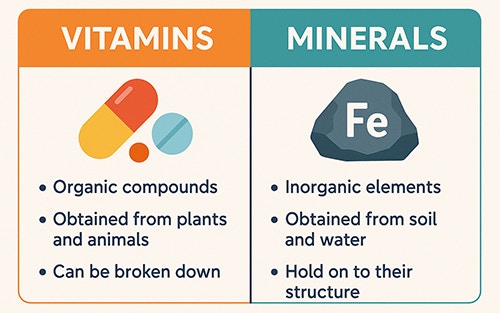
comparison of vitamins and minerals - key differences

One of the key differences between vitamins and minerals lies in their chemical nature: vitamins are organic compounds containing carbon, whereas minerals are inorganic elements. This distinction affects how these nutrients interact with the body and their sources. Vitamins are derived from plants and animals, while minerals come from soil and water, making their way into our diet through the consumption of plants and animal products.

Another significant difference is in their roles: vitamins assist in energy release from food and support skin and nerve health, while minerals are crucial for activating enzymes and hormones essential for various bodily processes. Additionally, electrolytes such as sodium and potassium, which are types of minerals, help maintain acid-base balance and manage body fluids.

Common Vitamins and Their Benefits

common vitamins and their sources

Common vitamins like vitamin C, vitamin D, folic acid, and vitamin E offer numerous health benefits. Vitamin C, for instance, is vital for collagen synthesis, which is important for connective tissue. It also acts as an antioxidant, protecting cells from damage.

Vitamin D is essential for bone health, aiding in the absorption of calcium. Folic acid is crucial for producing red blood cells and preventing birth defects. Vitamin E, another antioxidant, helps protect cells from oxidative stress and supports immune function.

Consuming fortified cereals can help ensure adequate intake of these essential vitamins.

Essential Minerals and Their Roles

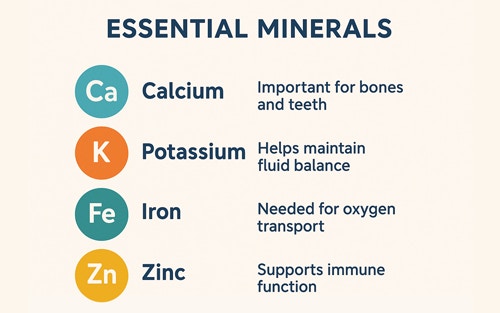
essential minerals and their roles in the body

Essential minerals such as:

  • Calcium, which is paramount for maintaining strong bones and overall health, plays a vital role in bone structure and function
  • Iron, which is essential for the production of hemoglobin and overall energy levels
  • Magnesium, which supports muscle and nerve function as well as energy production
  • Potassium, which helps regulate fluid balance and muscle contractions

play critical roles in maintaining health and development.

Iron is essential for the production of red blood cells and for transporting oxygen throughout the body. Magnesium supports various biochemical reactions, including those necessary for muscle and nerve function, while potassium helps regulate fluid balance and maintain proper muscle function.

The Importance of a Balanced Diet

balanced diet plate - various food groups rich in vitamins and minerals

A balanced diet is crucial for obtaining the necessary vitamins and minerals.

A diverse intake of:

  • fruits
  • vegetables
  • whole grains
  • lean meats
  • low-fat dairy

This variety of fruits, vegetables, whole grains, lean meats, and low-fat dairy provides the essential nutrients in the right proportions, ensuring the body gets what it needs to function properly and stay healthy.

Maintaining a balanced, healthy diet is the best way to ensure the body absorbs essential vitamins and minerals. Incorporating different food groups helps cover nutrient gaps and supports overall health.

Potential Risks of Over-Supplementation

While vitamins and minerals are essential, consuming them excessively can lead to health issues. Over-supplementation, especially of fat-soluble vitamins, can cause toxicity, leading to symptoms like nausea and vomiting. Minerals can also accumulate in the body, posing a risk of toxicity, particularly with excessive supplementation.

Excessive intake of dietary supplements can result in health problems such as high blood pressure and nerve damage. Balancing nutrient intake is crucial to avoid potential risks and maintain optimal health.

How to Ensure Adequate Nutrient Intake

To ensure adequate nutrient intake, focus on obtaining vitamins and minerals primarily from whole, unprocessed foods. Incorporating a variety of fruits, vegetables, whole grains, lean meats, and low-fat dairy is essential for meeting nutrient needs.

Consider dietary supplements if there are specific nutrient gaps or deficiencies, but always aim for a balanced diet to cover most of your nutritional needs. Following the recommended dietary allowance and guidelines from national institutes can help maintain strong bones and overall health.

ensure adequate vitamins and mineral intake

Vitamin and Mineral Summary

In conclusion, understanding the essential difference between vitamins and minerals is key to maintaining a healthy and balanced diet. Though required in smaller quantities, these micronutrients play critical roles in supporting various bodily functions. By focusing on a diverse intake of foods and considering supplementation when necessary, you can ensure your body gets all the nutrients it needs for optimal health.

Vitamin and Mineral Frequently Asked Questions

What is the difference between vitamins and minerals?

Vitamins are organic compounds obtained from plant and animal sources, whereas minerals are inorganic elements found in the earth and water. This fundamental difference highlights their distinct roles in nutrition and health.

Why are vitamins and minerals important?

Vitamins and minerals are essential as they support critical bodily functions, including immune response, wound healing, and maintaining strong bones. Ensuring adequate intake contributes significantly to overall health and well-being.

Can I get all the nutrients I need from a balanced diet?

Absolutely, a well-balanced diet that includes a variety of foods can supply all the necessary vitamins and minerals for optimal health. Prioritizing diversity in your food choices is key to meeting your nutritional needs.

What are the risks of over-supplementation?

Over-supplementation poses significant risks, including toxicity and health complications such as high blood pressure and nerve damage. It is crucial to adhere to recommended dosages to maintain your health.

How can I ensure I get enough vitamins and minerals?

To ensure you get enough vitamins and minerals, focus on a diverse diet that includes fruits, vegetables, whole grains, lean meats, and low-fat dairy. If necessary, consider dietary supplements to fill any gaps.

Foot Palace Massage Spa Athens

196 Alps Rd Ste 31, Athens,  GA 30606
(706) 521-5290

To view the original version on Foot Palace, visit: https://yourfootpalace.com/difference-between-vitamins-and-minerals/

Wednesday, March 19, 2025

Understanding Circadian Rhythm – Your Guide to Better Sleep Health

Circadian rhythm refers to the natural, internal processes that regulate the sleep-wake cycle and repeat roughly every 24 hours. Understanding your circadian rhythm can help you optimize your health and daily performance. This article explores what circadian rhythms are, how they work, and how you can manage them to improve your well-being.

circadian rhythm sleep

Key Takeaways

  • Circadian rhythms are 24-hour natural cycles influenced by light and darkness, regulated by the master clock in the suprachiasmatic nucleus, essential for optimal health.
  • Light exposure and meal timing are crucial factors in regulating circadian rhythms; maintaining a consistent routine can enhance sleep quality and overall well-being.
  • Disrupted circadian rhythms can lead to serious health issues, including sleep disorders and metabolic diseases, highlighting the need for effective management strategies.

What is Circadian Rhythm?

Circadian rhythms are natural cycles that last about 24 hours, governing various physical, mental, and behavioral changes in the human body. The term ‘circadian’ is derived from the Latin words “circa,” meaning “around,” and “diem,” meaning “day,” aptly reflecting their near-24-hour cycle. These rhythms are synchronized with the daily light-dark cycle, influencing nearly all tissues and organs in the body. This synchronization is essential for maintaining optimal health and functioning.

At the heart of this system is the master clock located in the suprachiasmatic nucleus (SCN) of the brain, which coordinates the various biological clocks throughout the body. This master clock regulates essential processes, including the sleep cycle, the sleep/wake cycle, and the circadian clock, by activating and deactivating specific genes and proteins in a precise rhythm.

Recognizing how circadian rhythms function can enhance our daily routines and improve health.

How Does Circadian Rhythm Work?

The suprachiasmatic nucleus (SCN), located in the hypothalamus, serves as the body’s primary regulator of circadian rhythms. This tiny structure, composed of thousands of neurons, acts as the master clock, orchestrating the timing of various physiological processes. The SCN influences peripheral organs by coordinating their circadian gene expression in response to both light and non-light cues. This intricate communication ensures that our body’s systems are aligned with the external environment.

Light plays a pivotal role in regulating circadian rhythms through the SCN. Photosensitive ganglion cells in the retina detect light and send signals to the SCN via the retinohypothalamic tract. These light signals help synchronize the circadian clocks with the external light-dark cycle. During periods of darkness, neuropeptides such as vasoactive intestinal peptide (VIP) are elevated in the SCN to maintain circadian rhythm. This dynamic interplay between light exposure and neurochemical signaling is crucial for stabilizing our circadian rhythms.

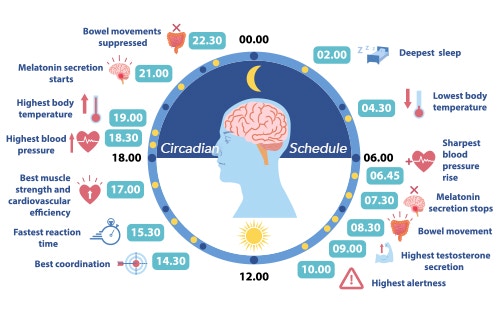
Circadian rhythms coordinate our physical and mental systems to ensure peak performance at different times of the day. For instance, cognitive functions are typically sharper in the morning, while physical strength and coordination tend to peak in the late afternoon. This coordination allows us to adapt to the natural environment, optimizing our activities and overall health.

how circadian rhythm works

Grasping these mechanisms allows for better daily routine management and improved well-being.

Factors Influencing Circadian Rhythms

Several factors influence our circadian rhythms, with light and darkness being the most significant. Light exposure, especially in the morning, can help regulate melatonin production and synchronize our body clock with the external environment. Besides light, other factors like meal timing, stress, physical activity, and temperature also play crucial roles in modulating circadian rhythms.

Maintaining a regular daily routine with consistent wake-up and sleep times can significantly improve circadian rhythms. This consistency helps align our internal clocks with external cues, promoting better sleep patterns and overall health.

The following subsections will delve deeper into the specific influences of light exposure and feeding times on circadian rhythms.

Light Exposure

Light exposure is a powerful regulator of circadian rhythms, particularly its effects on hormones and body temperature. Different wavelengths of light, especially blue light, play a significant role in regulating melatonin levels, a hormone that influences sleep/wake cycles. When exposed to bright light, particularly in the morning, melatonin production is suppressed, which helps us feel more awake and alert.

Changes in melatonin levels affect core body temperature and sleep/wake cycles, highlighting the importance of light exposure for maintaining a healthy circadian rhythm. Managing light exposure can boost our circadian zeitgebers, aligning our internal clocks with environmental cues. This can be particularly beneficial for those who work night shifts or experience irregular sleep patterns.

Feeding Times

Feeding times are another significant factor influencing circadian rhythms. Environmental cues that reset circadian rhythms daily are known as zeitgebers, and meal timing is one of them. Liver cells, for instance, respond to feeding and other non-light inputs, indicating that meal timing is a key factor in circadian regulation. Synchronizing meal times with the body’s internal clock can enhance metabolic health and overall well-being.

Meal timing can significantly influence the synchronization of peripheral clocks throughout the body. This synchronization helps maintain a stable sleep schedule and promotes better sleep patterns. Synchronizing meal times with natural circadian rhythms can enhance overall health and optimize bodily functions.

Common Circadian Rhythm Disorders

Circadian rhythm disorders are serious health conditions that can significantly affect daily functioning.

common circadian rhythm sleep disorders

One of the most common circadian sleep problems is jet lag, typically caused by traveling across multiple time zones.

Advanced sleep phase disorder, more common in older adults, disrupts their evening activities.

These disorders are associated with various health issues, including:

  • obesity
  • diabetes
  • hypertension
  • cardiovascular diseases

Mental health issues such as bipolar disorder and depression are also linked to circadian rhythm disruptions. Aging can impact the circadian system, affecting the response to environmental time cues. Conflicts between time demands and natural sleep signals can lead to disrupted sleep patterns, necessitating a deeper understanding and management of these disorders.

The following subsections will explore specific circadian rhythm disorders in more detail.

Delayed Sleep Phase Syndrome

Delayed sleep phase syndrome is characterized by difficulty falling asleep at a regular time, often resulting in individuals staying awake until 2 a.m. or later. This disorder is more common among young adults and teenagers, who experience a rise in melatonin levels significantly later in the evening compared to adults. The shift in circadian rhythm causing later sleep onset is primarily due to hormonal changes like delayed melatonin release.

This syndrome can interfere with work or school and often leads to mental stress. Bright light therapy is an effective treatment for shifting sleep patterns and can benefit individuals with delayed sleep phase syndrome significantly. By exposing themselves to bright light in the morning, individuals can gradually shift their sleep patterns to align more closely with societal norms.

Advanced Sleep Phase Disorder

Individuals with advanced sleep phase disorder go to bed much earlier than normal, often experiencing increased sleepiness in the afternoon. This disorder is most frequently observed in older adults who tend to wake up earlier than the general population, leading to early morning wakefulness.

Advanced sleep phase disorder can become problematic when increased sleepiness interferes with evening plans and activities. Managing this disorder is vital for keeping a balanced and active social life, particularly for older adults.

Irregular Sleep-Wake Rhythm

Irregular sleep-wake rhythm disorder is characterized by unpredictable sleep patterns that can severely disrupt daily life. This disorder can lead to symptoms similar to those experienced during jet lag, including fatigue and confusion.

Managing irregular sleep-wake rhythm requires a structured approach to sleep hygiene and often professional intervention to stabilize sleep patterns.

Health Implications of Disrupted Circadian Rhythms

Disrupted circadian rhythms can lead to immediate health effects such as fatigue, disorientation, and insomnia. Ongoing fatigue and mood swings may indicate severe circadian rhythm disorders, requiring further consultation. The short-term disruption can severely impact daily functioning and overall quality of life.

Long-term disruptions in circadian rhythms are linked to more severe health issues, including obesity, metabolic syndrome, diabetes, and cardiovascular and renal diseases. These conditions highlight the critical importance of maintaining a stable circadian rhythm for long-term health and well-being.

Strategies to Optimize Your Circadian Rhythm

Optimizing your circadian rhythm involves maintaining a healthy 24-hour schedule. Night shift workers can adapt their circadian rhythms by delaying bedtime and wake times by one to two hours before evening shifts. Adding short naps to your daily routine can mitigate sleep deprivation effects.

The following subsections will provide detailed strategies, including maintaining a consistent sleep schedule, light therapy, and using melatonin supplements, to help you optimize your circadian rhythm effectively.

Consistent Sleep Schedule

schedule strategy for optimizing circadian rhythm

A consistent sleep schedule is key to regulating your internal clock. Going to bed and waking up at the same time every day, even on weekends, can significantly improve sleep quality and overall health. Gradually making small adjustments to your sleep schedule can ease the transition and make it more sustainable.

Since circadian rhythms control sleep cycles and bodily functions, a regular sleep schedule is essential for alignment. A consistent sleep schedule helps mitigate the effects of poor sleep habits and enhances your overall well-being.

Manage Light Exposure

Expose yourself to bright light each morning, ideally within an hour or two of waking up. This helps regulate your melatonin cycle, increasing the likelihood of feeling sleepy at the appropriate time each night. If natural sunlight isn’t accessible in the morning, consider using a bright-light device that emits plenty of blue-spectrum light.

Light therapy effectively regulates circadian rhythms, especially for shift workers and those with seasonal affective disorder. Exposure to bright light in the morning can help synchronize the circadian rhythm and improve alertness throughout the day.

This therapy assists in adjusting melatonin production, thereby regulating sleep patterns.

Regulate Meal Times

To optimize your circadian rhythm, aim to eat at regular intervals throughout the day and avoid heavy meals or caffeine close to bedtime. Consider trying time-restricted eating or intermittent fasting by consuming all your meals within an 8-10-hour window each day. Note the time you consume your first calories of the day, whether from food or beverages and plan to have your last intake 10 hours later. Ensure that your final calories are consumed two to three hours before going to bed.

Incorporate Relaxing Activities

Engage in at least one calming activity to unwind. Consider reading a book, enjoying a massage, journaling, listening to soothing music, or engaging in prayer or meditation. Taking a warm bath or shower at least an hour before bedtime can help your body begin its cooling-down process, preparing you for a restful night’s sleep.

Melatonin Supplements

Melatonin supplements can help regulate sleep cycles, especially when taken at the right time relative to the individual’s natural sleep-wake patterns. These supplements may assist with sleep onset and duration, particularly in those experiencing jet lag or shift work.

By timing melatonin intake appropriately, individuals can enhance their sleep quality and overall circadian health.

When to Seek Professional Help

If circadian rhythm issues persist for a long time, it is advisable to see a healthcare provider. Persistent sleep problems related to circadian rhythm disorders may require consultation with a sleep medicine specialist who can provide tailored advice and treatment options. Seek professional help if lifestyle changes fail to improve your sleep quality.

Healthcare providers can diagnose and treat circadian rhythm sleep disorders, aiding in regaining a balanced sleep/wake cycle and better health. Do not hesitate to seek professional assistance if you find it challenging to function properly due to sleep issues.

Circadian Rhythm Summary

Understanding and optimizing your circadian rhythm is essential for maintaining good health and well-being. Circadian rhythms, regulated by the suprachiasmatic nucleus, play a crucial role in synchronizing various physiological processes with the external light-dark cycle. Factors such as light exposure and feeding times significantly influence these rhythms, while disruptions can lead to serious health implications, including metabolic disorders and cardiovascular diseases.

You can effectively manage and optimize your circadian rhythm by adopting strategies like maintaining a consistent sleep schedule, using light therapy, and taking melatonin supplements. If sleep problems persist despite these efforts, seeking professional help is crucial. Embracing these practices can lead to better sleep quality, improved mood, and enhanced overall health.

Circadian Rhythm Frequently Asked Questions

What are circadian rhythms?

Circadian rhythms are 24-hour natural cycles that regulate physical, mental, and behavioral changes in the body, primarily influenced by the light-dark cycle, thereby affecting processes like the sleep/wake cycle. Understanding these rhythms is essential for optimizing health and well-being.

How does light exposure affect circadian rhythms?

Light exposure, particularly blue light in the morning, plays a vital role in regulating melatonin production and aligning circadian rhythms with the external environment, ultimately supporting a healthy sleep/wake cycle. Thus, managing light exposure can significantly enhance your overall circadian health.

What is delayed sleep phase syndrome?

Delayed sleep phase syndrome is a circadian rhythm disorder where individuals struggle to fall asleep at conventional times, commonly staying awake until the early morning. This condition is particularly prevalent among teenagers and young adults.

How can I optimize my circadian rhythm?

To optimize your circadian rhythm, maintain a consistent sleep schedule and consider using light therapy to regulate melatonin production. Additionally, melatonin supplements can be beneficial if needed, helping to align your internal clock with external cues for improved sleep and health.

When should I seek professional help for circadian rhythm issues?

You should seek professional help for circadian rhythm issues if they persist despite making lifestyle changes, as a healthcare provider or sleep medicine specialist can offer a proper diagnosis and personalized treatment.

Foot Palace Massage Spa Athens

196 Alps Rd Ste 31, Athens,  GA 30606
(706) 521-5290

To view the original version on Foot Palace, visit: https://yourfootpalace.com/understanding-circadian-rhythm-your-guide-to-better-sleep-health/

Saturday, February 22, 2025

Sauna vs Steam Room – Which Is Better?

Sauna vs steam room, which should you use? This yourfootpalace.com blog will cover their unique benefits, health impacts, and differences to help you decide which is better.

sauna vs steam room

Key Takeaways

  • Saunas provide dry heat, promoting circulation, muscle relaxation, and detoxification, while steam rooms offer moist heat that benefits respiratory health and skin hydration.
  • Both environments have specific advantages: saunas enhance cardiovascular health, while steam rooms improve respiratory function and skin health.
  • Choosing between a sauna and a steam room depends on personal preference, specific health conditions, and comfort with heat types; consulting with a healthcare provider is advisable for those with health concerns.

Sauna and Steam Room Basics

Saunas and steam rooms are distinct wellness facilities that provide unique methods for relaxation and rejuvenation. While both promote detoxification, their primary difference lies in the type of heat they deliver. Saunas provide dry heat, typically from hot rocks, creating an environment with nearly zero humidity. In contrast, steam rooms deliver moist heat generated from boiling water, enveloping you in a warm, humid atmosphere.

Both saunas and steam rooms have their place in the world of heat therapy. However, the choice between them often boils down to personal preference and specific health needs. Examining the defining characteristics of these wellness environments can clarify their unique benefits.

wood design sauna and steam room - the sauna vs steam room

What is a Sauna?

A sauna is a small room designed to deliver dry heat sessions for relaxation and wellness. Traditional saunas operate at temperatures ranging from 150 to 200°F (65 to 93°C) and maintain a humidity level close to zero, making the environment dry and warm. This dry heat is typically generated through heated rocks or stoves, which is a hallmark of the traditional Finnish sauna.

Regular sauna use can lead to numerous health benefits, including improved circulation, muscle relaxation, and detoxification. The intense heat helps loosen stiff joints and muscles, promoting better blood flow and overall relaxation.

Whether you prefer the traditional Finnish sauna or modern infrared variations, saunas offer a unique and effective way to enhance well-being.

What is a Steam Room?

Steam rooms, on the other hand, use wet or moist heat as their primary heating method. The humidity level in steam rooms is close to 95% or even 100%, creating a moist, enveloping warmth that enhances relaxation and provides significant health benefits. Steam is generated by a steam generator that boils water, filling the room with dense, warm vapor.

The high humidity in steam rooms can be particularly beneficial for respiratory health, helping to alleviate asthma and sinus congestion. Additionally, the moist heat can improve skin health by opening pores and hydrating the skin.

Steam rooms offer a soothing and therapeutic environment that can complement a holistic wellness routine during a steam room session for stress reduction.

Health Benefits of Saunas vs. Steam Rooms

Both saunas and steam rooms offer a plethora of health benefits, each catering to different aspects of physical well-being. Saunas are renowned for their cardiovascular benefits, muscle relaxation, and detoxification properties, while steam rooms excel in promoting respiratory health and enhancing skin condition.

Understanding these benefits can help you decide which environment aligns best with your health goals. Let’s explore the specific health advantages of saunas and steam rooms, starting with their impact on cardiovascular health.

health benefits of saunas and steam rooms - skin health and circulation

Cardiovascular Health

Saunas and steam rooms significantly improve circulation and blood flow, which are vital for cardiovascular health. Regular sauna use can reduce the risk of heart attack or stroke, lower blood pressure, and bolster immunity. The heat from saunas helps relax muscles, promotes circulation, flushes out toxins, and accelerates recovery, making it an excellent post-workout therapy.

These cardiovascular benefits contribute to overall health and well-being, making saunas a popular choice for those looking to enhance their heart health through holistic wellness practices and explore their potential health benefits.

Respiratory Health

Steam rooms provide significant benefits for respiratory health due to their moist, heated environment. The high humidity levels in steam rooms can alleviate asthma and sinus congestion symptoms, making breathing easier and reducing respiratory discomfort. Proper ventilation in steam rooms is crucial to ensure the air quality remains beneficial and safe.

For those suffering from respiratory conditions, the moist heat of a steam room can be a soothing and effective way to improve respiratory function and overall comfort.

Skin Health

Steam rooms can significantly enhance skin health by improving moisture levels and opening pores. The high humidity helps clear the skin of impurities and provides a refreshed, dewy look. Additionally, the warm environment relaxes muscles and promotes blood flow, further benefiting skin appearance and health.

Regular sauna use also supports skin health through detoxification and enhanced immunity, contributing to clearer and healthier skin. Whether you choose a sauna or steam room, both offer substantial skin health benefits as part of a comprehensive wellness routine.

Choosing Between a Sauna and a Steam Room

side-by-side comparison of a sauna and a steam room

Choosing between a sauna and a steam room often depends on personal comfort and specific health objectives. Saunas offer a dry heat environment, which some may find more comfortable, while steam rooms provide a moist heat that can be more soothing and beneficial for respiratory health.

Consider your own heat tolerance and health goals when making a decision. Let’s delve into the factors that can influence this choice, starting with personal preferences.

Personal Preference

Personal preferences play a crucial role in deciding between a sauna and a steam room. If you prefer dry heat, a sauna might be the better choice, while those who enjoy a humid environment may find steam rooms more comfortable. Regular sauna use can reduce stress and improve relaxation, contributing to overall mental well-being. Saunas may also aid in weight loss when combined with a healthy lifestyle.

Choosing the right environment based on your personal preference can enhance your wellness journey.

Specific Health Conditions

For individuals with specific health conditions, choosing between a sauna and a steam room requires careful consideration. People with cardiovascular issues should be cautious and consult their healthcare professional before using either option. Those with skin conditions may find that steam rooms exacerbate their symptoms due to the high humidity.

Evaluating your health conditions, such as heart disease, kidney disease, or pregnancy, with a healthcare professional is crucial before deciding on sauna or steam room use.

Usage Tips

For beginners, starting with shorter sessions and gradually increasing the time spent in a sauna or steam room is advisable. The suggested time limit for beginners in a sauna is below 10 minutes, while the maximum recommended time for either is 15-20 minutes. Staying hydrated is essential during and after sessions to prevent dehydration.

Using a steam room before or after workouts can aid in muscle relaxation and flexibility. Remember, taking breaks during prolonged sessions can help prevent overheating and ensure a safe, enjoyable experience.

Potential Risks and Safety Considerations

hydration needs in high-temperature environments like saunas and steam rooms

While the benefits of saunas and steam rooms are numerous, there are potential risks and safety considerations to keep in mind. Overheating can lead to heat exhaustion or heat stroke, so monitoring your body for signs such as dizziness or excessive sweating is essential. Dehydration is another risk, making it crucial to stay hydrated before, during, and after sessions.

Let’s delve deeper into these safety considerations, starting with the risks of overheating.

Overheating Risks

Overheating is a significant risk when using saunas or steam rooms. Signs of overheating include dizziness, headache, and nausea. The intense heat and high temperatures in saunas require careful monitoring of your body’s core temperature to avoid heat-related illnesses.

Limiting session times to 15-20 minutes and listening to your body’s signals can help prevent overheating and ensure a safe experience while maintaining your core body temperature.

Hydration Needs

Hydration is crucial when using saunas and steam rooms. Drinking plenty of water before entering is recommended to prepare your body for high temperatures and humidity levels. After sessions, replenishing electrolytes may be necessary, especially after extended use.

The high-humidity environment in steam rooms can lead to significant sweating, making it essential to stay hydrated to prevent dehydration and maintain overall health.

Who Should Avoid

Certain individuals should avoid using saunas and steam rooms due to potential health risks.

Those who should consult a healthcare provider before use include:

  • Pregnant women
  • Individuals with cardiovascular problems
  • Those with specific medical conditions
  • Seniors
  • Individuals on certain medications

These groups may face health concerns from using saunas.

Consulting with a healthcare professional ensures that you can safely enjoy the benefits of saunas and steam rooms without compromising your health.

Infrared Saunas: An Alternative Option

modern infrared sauna with a person relaxing inside

Infrared saunas offer a unique alternative to traditional saunas and steam rooms, catering to individual health needs and relaxation goals. Factors influencing the choice between infrared saunas and steam rooms include specific health needs, comfort with types of heat, and personal preferences.

Let’s explore the benefits of infrared heat and compare it to traditional saunas.

Benefits of Infrared Heat

Infrared saunas provide numerous health benefits, including improved circulation, pain relief, and muscle relaxation. Unlike traditional saunas, which use hot rocks to generate dry heat, infrared saunas heat the body directly by emitting infrared light absorbed by the skin.

This gentle, intense heat penetrates deeply into the body, offering a comfortable and effective way to relieve symptoms and promote overall health.

Comparison to Traditional Saunas

The temperature range for infrared saunas typically falls between 120°F and 140°F, which is lower than traditional Finnish saunas. This lower temperature, combined with infrared saunas’ deep, penetrating heat, enhances user comfort and provides a different relaxation experience.

Whether you prefer the dry heat of a traditional sauna or the gentle warmth of an infrared sauna, both offer unique benefits that can cater to your specific health and wellness needs.

Sauna vs Steam Room Summary

In summary, both saunas and steam rooms offer distinct health benefits, from cardiovascular and respiratory health to skin rejuvenation. The choice ultimately depends on personal preference and specific health conditions. Whether you opt for the dry heat of a sauna or the moist heat of a steam room, both can significantly enhance your wellness journey. Remember to stay hydrated, monitor your body’s signals, and consult a healthcare professional if necessary. Embrace the heat and enjoy the many health benefits these wellness practices have to offer!

Frequently Asked Questions

Are saunas or steam rooms better for cardiovascular health?

Saunas are typically better for cardiovascular health as they enhance circulation, reduce the risk of heart-related issues and lower blood pressure. Therefore, incorporating saunas into your routine may offer more significant cardiovascular benefits.

Can steam rooms help with respiratory conditions?

Yes, steam rooms can help alleviate symptoms of respiratory conditions like asthma and sinus congestion by providing moist heat and high humidity levels. This can promote easier breathing and reduce discomfort.

What are the main differences between traditional saunas and infrared saunas?

The main difference between traditional and infrared saunas lies in their heating methods and temperature ranges; traditional saunas heat the air with hot rocks at higher temperatures (150 to 200°F), while infrared saunas utilize infrared light for direct, gentler heat at lower temperatures (120 to 140°F). This makes infrared saunas a more comfortable option for many users.

How long should a beginner stay in a sauna or steam room?

Beginners should stay in a sauna or steam room for no more than 10 minutes initially, gradually increasing to a maximum of 15-20 minutes per session as they become more accustomed.

Who should avoid using saunas and steam rooms?

Pregnant women, individuals with cardiovascular issues, and those with specific medical conditions should avoid using saunas and steam rooms unless cleared by a healthcare provider. Prioritizing your health and safety is essential.

Foot Palace Massage Spa Athens

196 Alps Rd Ste 31, Athens,  GA 30606
(706) 521-5290

To view the original version on Foot Palace, visit: https://yourfootpalace.com/sauna-vs-steam-room-which-is-better/

Tuesday, January 21, 2025

What Is Collagen?

Collagen is a protein that gives structure to skin, bones, and tendons. It makes up 30% of the body’s protein and is vital for skin health and joint function. But what is collagen, and how does it contribute to our overall well-being? This yourfootpalace.com article explores collagen’s roles and benefits.

what is collagen - benefits, uses, and facts

Key Takeaways

  • Collagen is the most abundant protein in the body, crucial for providing structure and support to skin, cartilage, bones, and other connective tissues.
  • Collagen production decreases with age and is affected by lifestyle factors such as diet, sun exposure, and smoking, making it important to adopt healthy habits to maintain levels.
  • Collagen supplements, particularly hydrolyzed forms, can enhance skin health and joint function, but individuals should be cautious of sourcing and potential allergens.

Understanding Collagen

Collagen is the most abundant protein in the body, making up almost 1/3 of the total protein content. It’s a key component of connective tissue, skin, tendon, bone, and cartilage, providing structure, strength, and support to these vital parts. Collagen supports firmness, plumpness, and elasticity, contributing to the overall health and appearance of the skin and other tissues. With its unique ability to provide tensile strength, collagen is fundamental to maintaining the integrity and function of various structures within the body.

To truly appreciate collagen’s importance, understanding its structure and its various types is crucial. These aspects play a significant role in how collagen functions and how we can support its production in our bodies. Exploring the intricate structure of collagen and its diverse types reveals its multiple roles.

The Structure of Collagen

Collagen’s remarkable structure consists of a triple helix formed by three intertwined polypeptide strands. Each strand adopts a left-handed helical structure, intertwining to form a right-handed triple helix. This unique formation is key to collagen’s strength and stability, providing tensile strength to various tissues.

Amino acids, particularly amino acids glycine, proline, and hydroxyproline, are the primary components crucial for collagen formation. These amino acids are arranged in a precise sequence to create collagen fibrils that bundle into collagen fibers. This arrangement forms the extracellular matrix, which supports and connects tissues throughout the body.

Types of Collagen

Collagen is not a one-size-fits-all protein; it exists in several types, each serving distinct biological functions. The main types of collagen are classified into fibrillar, network-forming, and fibril-associated collagens. Collagen type I is the most prevalent, found in skin, tendon, and bone, providing significant strength and structure to these tissues.

Type II collagen, on the other hand, is primarily found in cartilage, playing a crucial role in joint health and flexibility. Understanding these types helps us appreciate how collagen supports various bodily functions and how different forms of collagen supplements can target specific needs.

Whether you’re looking to improve skin health or support joint function, knowing the types of collagen can guide you in choosing the right supplement.

Functions of Collagen in the Body

functions of collagen in the body, including skin health and joint support

Collagen is a workhorse protein, constituting about a third of the total protein content in the human body. The primary role of this tissue is to provide structure and strength. Additionally, it offers support throughout the body. Beyond connective tissues, collagen is essential for the structure of blood vessels and organs. It also aids in cell signaling, facilitating communication between cells and promoting tissue repair.

The functions of collagen in the body are manifold, impacting everything from skin health to joint and bone support. Let’s explore how collagen contributes to skin health and elasticity, joint and bone support, and muscle tissue repair and maintenance.

Skin Health and Elasticity

Collagen is a key player in maintaining skin health and elasticity. It provides firmness and suppleness, contributing to the skin’s resilience. The presence of collagen in the skin’s extracellular matrix adds elasticity and supports the protective barrier that keeps the skin hydrated.

As we grow older, the collagen levels in our skin diminish, resulting in the appearance of wrinkles, dryness, and sagging.. This process is a natural part of aging; collagen supplementation can mitigate the decrease in collagen levels, which research indicates may enhance skin hydration and elasticity.

By promoting the growth of new skin cells, collagen helps maintain a youthful, plump appearance.

Joint and Bone Support

Collagen is vital for the maintenance of cartilage, which cushions joints and helps prevent damage. It provides significant structural support to cartilage, ensuring proper joint function and mobility. Collagen also plays a key role in maintaining bone strength and density, which is essential for overall skeletal health.

Studies suggest that long-term collagen supplementation may aid in increasing bone mineral density, particularly in postmenopausal women. For those suffering from osteoarthritis, collagen supplements could potentially alleviate symptoms such as joint stiffness and pain.

Muscle Tissue and Connective Tissues

Collagen is crucial for the repair of muscle tissues after injury. It provides the necessary support to connective tissues, ensuring that muscles heal properly and maintain their strength and flexibility.

This makes collagen an essential component for anyone looking to maintain or enhance their muscle health.

Factors Affecting Collagen Production

factors affecting collagen production

The body produces collagen by turning protein from food into amino acids, which are then used to synthesize collagen molecules. However, several factors can affect this natural collagen production. Aging, sun exposure, smoking, excess alcohol, lack of sleep, and lack of exercise are all known to decrease collagen production.

Maintaining a balanced diet rich in protein, vitamin C, D, and zinc supports collagen levels as you age. Certain lifestyle habits, such as regular exercise and adequate sleep, can also help protect against collagen loss.

Examining how aging and lifestyle factors impact collagen production provides deeper insight.

Aging and Collagen Decline

Collagen levels naturally decline with age, typically starting after the age of 60. As we grow older, collagen in the skin becomes less organized, leading to decreased firmness and thickness. Oxidative stress and advanced glycation end-products (AGEs) contribute to collagen breakdown, making it stiff and rigid, which is a concern for those dealing with aging skin.

Hormonal changes, particularly lower estrogen levels after menopause, significantly reduce natural collagen production. These changes result in wrinkles, sagging skin, and reduced joint flexibility, underscoring the need to support collagen production as we age.

Lifestyle and Environmental Factors

Natural collagen production diminishes significantly due to factors like:

  • Excessive sun exposure, which is identified as the primary contributor to collagen degradation
  • Smoking
  • Pollution
  • Poor diet
  • Lack of sleep

These lifestyle factors can also damage collagen.

Avoiding damaging lifestyle habits is essential to reduce the risk of collagen damage. Daily precautions such as wearing sufficient sunscreen, a wide-brimmed hat, UV-protective sunglasses, and long-sleeved clothing can protect skin collagen.

A healthy diet, limited sun exposure, and a consistent skincare routine are also crucial for supporting natural collagen levels for healthy skin.

Boosting Collagen Naturally

foods rich in collagen and nutrients that boost collagen production

Natural collagen production supports skin elasticity, hydration, and overall health. Incorporating a variety of high-protein foods and vitamin-rich fruits and vegetables can enhance the body’s collagen production. Regular exercise and hydration also play a significant role in maintaining collagen levels.

Exploring the nutrients that support collagen production and collagen-rich foods can help you naturally boost collagen levels.

Nutrients That Support Collagen Production

Certain vitamins and minerals are essential for collagen synthesis. Vitamin C, zinc, copper, and manganese play critical roles in the collagen formation process. Proline and glycine are also important amino acids necessary for collagen production.

Egg whites, for instance, are a good source of proline, an amino acid crucial for the body’s collagen production. Including these nutrients in your diet supports healthy collagen production, maintaining the integrity of your skin, joints, and bones.

Foods Rich in Collagen and Amino Acids

High-protein foods, such as bone broth, are recommended for supporting collagen production. Citrus fruits and foods like pork skin provide nutrients that support collagen synthesis. Collagen-rich foods are broken down into amino acids upon digestion, which the body then uses to produce collagen.

Incorporating these foods into your diet can naturally boost collagen production, supporting overall health and vitality.

Collagen Supplements

collagen supplements available in different forms

Collagen supplements have become increasingly popular as a convenient way to support collagen production. Most collagen supplements are derived from animal sources, including hydrolyzed collagen, which is a common type used in supplements. These supplements can be consumed in various forms, including powders, capsules, and liquids.

Collagen peptides, which are broken-down forms of collagen, are easily absorbed through the gastrointestinal tract, making them an effective option for supplementation. Marine collagen, derived from fish, is particularly noted for its benefits to skin elasticity.

Examining the benefits and safety of collagen supplements provides useful insights.

Benefits of Collagen Supplements

Collagen supplements can enhance skin and skeletal health. They may reduce symptoms of osteoarthritis, improve skin hydration elasticity, and reduce wrinkles. Collagen peptides may also relieve pain and improve joint function in individuals with knee osteoarthritis.

For postmenopausal individuals with low bone mineral density, collagen supplementation can be particularly beneficial. Many collagen supplements also contain additional nutrients such as Vitamin C, biotin, and zinc, enhancing their overall effectiveness.

Safety and Side Effects

Collagen supplements generally have a favorable safety profile with minimal reported side effects. However, concerns have been raised regarding the presence of heavy metals in some supplements, and the FDA does not review supplements for safety.

Individuals with allergies to fish or shellfish should choose collagen supplements carefully to avoid adverse reactions.

Collagen Summary

Collagen is undeniably a cornerstone of our body’s structure and function. From skin health and joint support to muscle repair, its importance cannot be overstated. Understanding the factors that affect collagen production and how to boost collagen production empowers us to maintain our health, wellness, and vitality as we age.

Whether through diet, lifestyle changes, or supplements, supporting collagen production is a proactive step towards a healthier, more resilient body. Embrace the power of collagen and let it be your ally in the journey towards optimal health.

Frequently Asked Questions

What is collagen, and why is it important?

Collagen is the body’s most abundant protein, crucial for maintaining the structure and strength of connective tissues, skin, and bones. Its importance lies in its role in promoting overall health and tissue integrity.

How does aging affect collagen production?

Aging affects collagen production significantly, resulting in lower levels that diminish skin firmness and joint flexibility. This decline contributes to common signs of aging, such as wrinkles and reduced mobility.

What are some natural ways to boost collagen production?

To naturally boost collagen production, include high-protein foods and vitamin-rich fruits and vegetables in your diet while maintaining a healthy lifestyle. These changes can effectively enhance your body’s collagen levels.

Are collagen supplements safe to use?

Collagen supplements are generally safe, with minimal side effects, provided you select high-quality products to minimize contamination risks.

What are the benefits of taking collagen supplements?

Taking collagen supplements can enhance skin hydration and elasticity while also supporting joint health and increasing bone mineral density, which is particularly beneficial for postmenopausal women.

Foot Palace Massage Spa Athens

196 Alps Rd Ste 31, Athens,  GA 30606
(706) 521-5290

To view the original version on Foot Palace, visit: https://yourfootpalace.com/what-is-collagen/