Overwhelmed by stress? Managing stress is essential for good health. This article offers practical tips to help you cope effectively.

Key Takeaways
- Recognizing stress is crucial for effective management and involves understanding both its physical and emotional impacts.
- Identifying personal stress triggers through techniques like keeping a stress diary helps in reducing chronic stress and its consequences.
- Incorporating healthy habits such as regular exercise, a balanced diet, mindfulness practices, and building social connections significantly aids in stress management.
Understanding Stress and Its Impact
Stress is a natural and familiar experience that can motivate us to complete important tasks and face challenges. However, when stress becomes too intense or prolonged, it can significantly impact how we feel about our physical and mental health, relationships, and daily task completion, as it is a normal part of life and can elevate our stress level.
Recognizing stress is the initial step towards managing it effectively.
What is Stress?
Stress is a physical and emotional response to new or challenging situations. While acute stress is categorized as a short-term reaction to an immediate threat or challenge, chronic stress on the other hand persists over an extended period of time, and can lead to worsening health. Stress can arise from significant life changes, whether positive, like getting married, or negative, such as the loss of a loved one.
Internal factors like personal fears and negative thought beliefs also contribute to one’s overall stress levels.
How Stress Affects the Body and Mind
Stress affects the body and mind in various ways. Physical signs include muscle tension and headaches.
Emotionally, stress can lead to anxiety and irritability, which affect overall mental well-being and can leave individuals feeling unwell, both mentally and physically.
The Long-Term Consequences of Chronic Stress
Chronic stress can have severe long-term consequences. It can lead to long-term health problems, including cardiovascular diseases and mental health issues. Sleep problems, often exacerbated by stress, can further complicate health, making it crucial to prioritize adequate rest to manage burnout.
Maintaining a routine can provide a sense of control and help combat the effects of stress, contributing to better long-term health. Avoiding unhealthy habits like smoking is also important, as nicotine withdrawal can elevate stress levels.
Identifying Stress Triggers
Recognizing both external and internal stress sources is crucial for managing stress effectively. Consistently monitoring stress levels can prevent chronic stress and long-term health damage.
Common Stressors in Everyday Life
Common problems that cause stress include work, school, health, and relationships. For instance, overwhelming workloads, urgent deadlines, and demanding supervisors are common workplace stressors. Stress can also arise from big issues like financial worries or many small ones, such as managing significant life events like becoming a parent or dealing with long-term health conditions.
Personal Stress Diary
Keeping a personal stress diary can help individuals recognize patterns in their stress responses by tracking triggers and physical symptoms. Regularly reviewing diary entries enables users to pinpoint stressors contributing to their anxiety and tension, thereby empowering better stress management.
Healthy Ways to Manage Stress
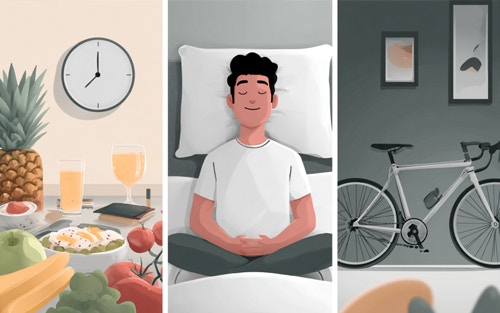
Effective self-care routines help maintain emotional and mental reserves, which are crucial for managing stress. Incorporating exercise, daily relaxation practices, and spa treatments can reduce anxiety and improve overall well-being.
Physical Activity and Exercise
Physical activity plays a critical role in stress management by improving overall well-being, boosting energy, and enhancing focus and motivation. Regular exercise is linked to better mental health outcomes and can enhance sleep quality and mood through the release of mood-enhancing hormones. Being active can further contribute to these benefits.
Maintaining a Healthy Diet
Consuming a diet high in nutrients can bolster stress resilience and improve overall emotional health. A balanced diet essential for managing stress includes:
- Fruits
- Vegetables
- Whole grains
- Complex carbohydrates
Mindful eating helps individuals recognize hunger cues and reduce emotional eating.
Getting a Good Night’s Sleep
Quality sleep is foundational for emotional stability and stress management. To practice deep breathing and relaxation techniques before bed can improve sleeping quality and overall well-being, while taking deep breaths can further enhance this process.
Deep Breathing and Mindfulness
Mindfulness practices are effective techniques that help focus attention and reduce stress. Incorporating guided meditation into daily life promotes relaxation and enhances mental well-being. Benefits of mindfulness include:
- Reducing anxiety
- Improving insomnia
- Enhancing concentration
- Elevating mood
Social Connections and Support
Connecting with trusted individuals provides significant emotional support during stressful times, and a friend can be a vital part of that support. Strong social networks help you connect with friends to find support, reducing stress and promoting well-being.
Community involvement can help alleviate feelings of isolation and enhance coping abilities.
Avoiding Unhealthy Habits

Healthy coping mechanisms greatly influence overall stress levels. Unhealthy coping mechanisms during stressful times often lead to increased stress levels and can exacerbate existing problems. Developing effective coping skills is essential for managing stress.
Healthier alternatives, such as physical activity or social support, offer more effective stress relief.
Limiting Alcohol and Caffeine
Caffeine can heighten feelings of stress and anxiety, particularly when consumed in large amounts. Limiting caffeine and alcohol intake helps manage and reduce stress levels.
Avoiding Smoking and Illegal Drugs
Smoking and illegal drugs may initially provide temporary relief from stress, but often contribute to lasting mental health issues. Illegal drug use often leads to dependency and worsens overall mental health.
Reducing Overeating and Emotional Eating
Stress can trigger emotional eating, where individuals consume food as a way to cope, leading to unhealthy eating patterns. Emotional eating can lead to poor dietary choices, resulting in increased stress and guilt.
Practicing Self-Care

Self-care provides mental, physical, and emotional benefits that are essential for maintaining overall well-being. Physical activity acts as a natural antidepressant, significantly improving mood.
Engaging in Hobbies and Creative Activities
Engaging in hobbies and creative activities can significantly reduce stress levels. Enjoyable hobbies act as mental distractions, aiding in stress relief and relaxation.
Scheduling Regular Relaxation Time
Setting aside time for relaxation can significantly reduce stress levels and improve overall well-being in our day-to-day lives. Scheduling regular relaxation time and adding it to your to-do list ensures it becomes a daily priority.
Being Kind to Yourself
Practicing self-compassion can mitigate negative self-talk and foster resilience during stressful periods. Self-kindness is essential for maintaining emotional well-being.
Seeking Professional Help
A therapist can help manage overwhelming stress and emotional challenges. Professional help can greatly enhance coping strategies for those who feel overwhelmed by stress.
Counseling and Therapy

If managing stress alone is difficult, seeking professional help can be advantageous. Counseling and professional therapy provide a safe space to explore the sources of stress, uncover patterns, and gain practical tools for coping. Through guided strategies and support, individuals can build healthier ways to manage stress and improve overall well-being.
Cognitive behavior therapy (CBT) and mindfulness-based approaches also help reduce stress.
Complementary and Integrative Health Approaches
Alternative therapies such as acupuncture and massage can enhance traditional stress relief methods. Acupuncture has shown some promise in alleviating anxiety symptoms according to certain studies.
Managing Stress Summary
Managing stress involves recognizing its physical and emotional impacts, identifying personal triggers, and adopting healthy coping strategies. Key approaches include regular physical activity, maintaining a balanced diet, practicing mindfulness and deep breathing, ensuring good sleep, and fostering social connections. Avoiding unhealthy habits like excessive alcohol, caffeine, smoking, and illegal drugs is essential. Keeping a stress diary can help track patterns and improve management. When stress feels overwhelming, seeking professional help and exploring complementary and integrative health options can provide additional support.
It’s important to know stress is a natural part of life, but with the proper tools and mindset, you can take control and be better equipped to build resilience. Take small, consistent steps each day to care for your mind and body — your well-being is worth it. You have the strength to navigate difficult times and emerge stronger.
Managing Stress Frequently Asked Questions
What is stress?
Stress is essentially how your body and mind respond to challenging situations that push you beyond your comfort zone. It’s totally normal, but it’s important to find ways to manage it!
How can physical activity help manage stress?
Physical activity is a fantastic way to manage stress since it boosts your overall well-being and energy levels while sharpening focus and motivation. So, the next time you’re feeling overwhelmed, try moving your body—it can really make a difference!
What are the long-term consequences of chronic stress?
Chronic stress can seriously impact your health by increasing the risk of cardiovascular diseases and triggering mental health issues. It’s crucial to find ways to manage stress for your overall well-being.
How can a personal stress diary help manage stress?
Keeping a personal stress diary allows you to identify your stress triggers and recognize how you react to them, which can help you manage stress more effectively. By reflecting on these patterns, you can develop more effective strategies to manage your situation.
When should I seek professional help for stress?
If you’re finding it difficult to cope with stress on your own, it’s a good idea to reach out for professional support. Don’t hesitate to get help when you need it!
(706) 521-5290
To view the original version on Foot Palace, visit: https://yourfootpalace.com/understanding-and-managing-stress/

