Showing posts with label Sleep. Show all posts

Sunday, September 14, 2025

Understanding And Managing Stress

Overwhelmed by stress? Managing stress is essential for good health. This article offers practical tips to help you cope effectively.
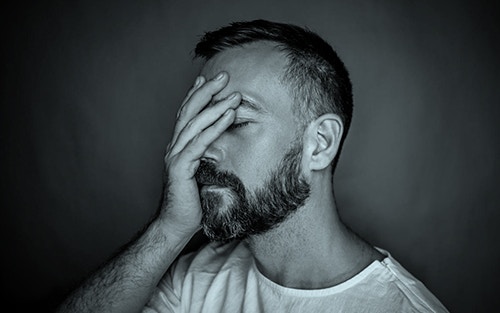
managing stress

Key Takeaways

  • Recognizing stress is crucial for effective management and involves understanding both its physical and emotional impacts.
  • Identifying personal stress triggers through techniques like keeping a stress diary helps in reducing chronic stress and its consequences.
  • Incorporating healthy habits such as regular exercise, a balanced diet, mindfulness practices, and building social connections significantly aids in stress management.

Understanding Stress and Its Impact

Stress is a natural and familiar experience that can motivate us to complete important tasks and face challenges. However, when stress becomes too intense or prolonged, it can significantly impact how we feel about our physical and mental health, relationships, and daily task completion, as it is a normal part of life and can elevate our stress level.

Recognizing stress is the initial step towards managing it effectively.

What is Stress?

Stress is a physical and emotional response to new or challenging situations. While acute stress is categorized as a short-term reaction to an immediate threat or challenge, chronic stress on the other hand persists over an extended period of time, and can lead to worsening health. Stress can arise from significant life changes, whether positive, like getting married, or negative, such as the loss of a loved one.

Internal factors like personal fears and negative thought beliefs also contribute to one’s overall stress levels.

How Stress Affects the Body and Mind

Stress affects the body and mind in various ways. Physical signs include muscle tension and headaches.

Emotionally, stress can lead to anxiety and irritability, which affect overall mental well-being and can leave individuals feeling unwell, both mentally and physically.

The Long-Term Consequences of Chronic Stress

Chronic stress can have severe long-term consequences. It can lead to long-term health problems, including cardiovascular diseases and mental health issues. Sleep problems, often exacerbated by stress, can further complicate health, making it crucial to prioritize adequate rest to manage burnout.

Maintaining a routine can provide a sense of control and help combat the effects of stress, contributing to better long-term health. Avoiding unhealthy habits like smoking is also important, as nicotine withdrawal can elevate stress levels.

Identifying Stress Triggers

Recognizing both external and internal stress sources is crucial for managing stress effectively. Consistently monitoring stress levels can prevent chronic stress and long-term health damage.

Common Stressors in Everyday Life

Common problems that cause stress include work, school, health, and relationships. For instance, overwhelming workloads, urgent deadlines, and demanding supervisors are common workplace stressors. Stress can also arise from big issues like financial worries or many small ones, such as managing significant life events like becoming a parent or dealing with long-term health conditions.

Personal Stress Diary

Keeping a personal stress diary can help individuals recognize patterns in their stress responses by tracking triggers and physical symptoms. Regularly reviewing diary entries enables users to pinpoint stressors contributing to their anxiety and tension, thereby empowering better stress management.

Healthy Ways to Manage Stress
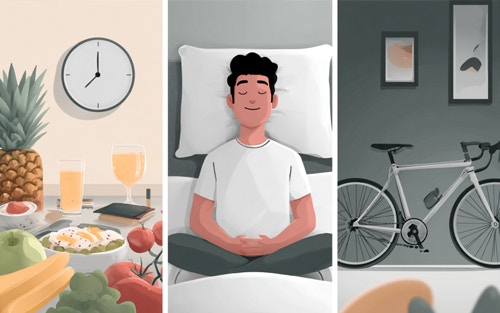
sleep, physical activity, and healthy diet to manage stress

Effective self-care routines help maintain emotional and mental reserves, which are crucial for managing stress. Incorporating exercise, daily relaxation practices, and spa treatments can reduce anxiety and improve overall well-being.

Physical Activity and Exercise

Physical activity plays a critical role in stress management by improving overall well-being, boosting energy, and enhancing focus and motivation. Regular exercise is linked to better mental health outcomes and can enhance sleep quality and mood through the release of mood-enhancing hormones. Being active can further contribute to these benefits.

Maintaining a Healthy Diet

Consuming a diet high in nutrients can bolster stress resilience and improve overall emotional health. A balanced diet essential for managing stress includes:

  • Fruits
  • Vegetables
  • Whole grains
  • Complex carbohydrates

Mindful eating helps individuals recognize hunger cues and reduce emotional eating.

Getting a Good Night’s Sleep

Quality sleep is foundational for emotional stability and stress management. To practice deep breathing and relaxation techniques before bed can improve sleeping quality and overall well-being, while taking deep breaths can further enhance this process.

Deep Breathing and Mindfulness

Mindfulness practices are effective techniques that help focus attention and reduce stress. Incorporating guided meditation into daily life promotes relaxation and enhances mental well-being. Benefits of mindfulness include:

  • Reducing anxiety
  • Improving insomnia
  • Enhancing concentration
  • Elevating mood

Social Connections and Support

Connecting with trusted individuals provides significant emotional support during stressful times, and a friend can be a vital part of that support. Strong social networks help you connect with friends to find support, reducing stress and promoting well-being.

Community involvement can help alleviate feelings of isolation and enhance coping abilities.

Avoiding Unhealthy Habits

unhealthy habits that should be avoided for better stress management

Healthy coping mechanisms greatly influence overall stress levels. Unhealthy coping mechanisms during stressful times often lead to increased stress levels and can exacerbate existing problems. Developing effective coping skills is essential for managing stress.

Healthier alternatives, such as physical activity or social support, offer more effective stress relief.

Limiting Alcohol and Caffeine

Caffeine can heighten feelings of stress and anxiety, particularly when consumed in large amounts. Limiting caffeine and alcohol intake helps manage and reduce stress levels.

Avoiding Smoking and Illegal Drugs

Smoking and illegal drugs may initially provide temporary relief from stress, but often contribute to lasting mental health issues. Illegal drug use often leads to dependency and worsens overall mental health.

Reducing Overeating and Emotional Eating

Stress can trigger emotional eating, where individuals consume food as a way to cope, leading to unhealthy eating patterns. Emotional eating can lead to poor dietary choices, resulting in increased stress and guilt.

Practicing Self-Care
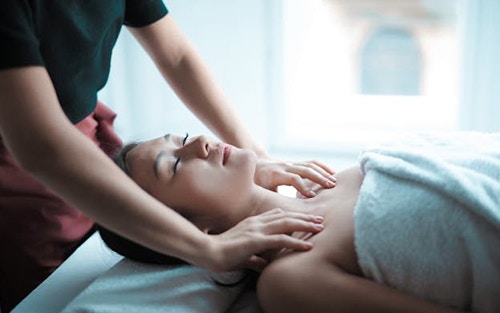
spa massage self-care practice

Self-care provides mental, physical, and emotional benefits that are essential for maintaining overall well-being. Physical activity acts as a natural antidepressant, significantly improving mood.

Engaging in Hobbies and Creative Activities

Engaging in hobbies and creative activities can significantly reduce stress levels. Enjoyable hobbies act as mental distractions, aiding in stress relief and relaxation.

Scheduling Regular Relaxation Time

Setting aside time for relaxation can significantly reduce stress levels and improve overall well-being in our day-to-day lives. Scheduling regular relaxation time and adding it to your to-do list ensures it becomes a daily priority.

Being Kind to Yourself

Practicing self-compassion can mitigate negative self-talk and foster resilience during stressful periods. Self-kindness is essential for maintaining emotional well-being.

Seeking Professional Help

A therapist can help manage overwhelming stress and emotional challenges. Professional help can greatly enhance coping strategies for those who feel overwhelmed by stress.

Counseling and Therapy

counseling therapy

If managing stress alone is difficult, seeking professional help can be advantageous. Counseling and professional therapy provide a safe space to explore the sources of stress, uncover patterns, and gain practical tools for coping. Through guided strategies and support, individuals can build healthier ways to manage stress and improve overall well-being.

Cognitive behavior therapy (CBT) and mindfulness-based approaches also help reduce stress.

Complementary and Integrative Health Approaches

Alternative therapies such as acupuncture and massage can enhance traditional stress relief methods. Acupuncture has shown some promise in alleviating anxiety symptoms according to certain studies.

Managing Stress Summary

Managing stress involves recognizing its physical and emotional impacts, identifying personal triggers, and adopting healthy coping strategies. Key approaches include regular physical activity, maintaining a balanced diet, practicing mindfulness and deep breathing, ensuring good sleep, and fostering social connections. Avoiding unhealthy habits like excessive alcohol, caffeine, smoking, and illegal drugs is essential. Keeping a stress diary can help track patterns and improve management. When stress feels overwhelming, seeking professional help and exploring complementary and integrative health options can provide additional support.

It’s important to know stress is a natural part of life, but with the proper tools and mindset, you can take control and be better equipped to build resilience. Take small, consistent steps each day to care for your mind and body — your well-being is worth it. You have the strength to navigate difficult times and emerge stronger.

Managing Stress Frequently Asked Questions

What is stress?

Stress is essentially how your body and mind respond to challenging situations that push you beyond your comfort zone. It’s totally normal, but it’s important to find ways to manage it!

How can physical activity help manage stress?

Physical activity is a fantastic way to manage stress since it boosts your overall well-being and energy levels while sharpening focus and motivation. So, the next time you’re feeling overwhelmed, try moving your body—it can really make a difference!

What are the long-term consequences of chronic stress?

Chronic stress can seriously impact your health by increasing the risk of cardiovascular diseases and triggering mental health issues. It’s crucial to find ways to manage stress for your overall well-being.

How can a personal stress diary help manage stress?

Keeping a personal stress diary allows you to identify your stress triggers and recognize how you react to them, which can help you manage stress more effectively. By reflecting on these patterns, you can develop more effective strategies to manage your situation.

When should I seek professional help for stress?

If you’re finding it difficult to cope with stress on your own, it’s a good idea to reach out for professional support. Don’t hesitate to get help when you need it!

Foot Palace Massage Spa Athens

196 Alps Rd Ste 31, Athens,  GA 30606
(706) 521-5290

To view the original version on Foot Palace, visit: https://yourfootpalace.com/understanding-and-managing-stress/


Wednesday, March 19, 2025

Understanding Circadian Rhythm – Your Guide to Better Sleep Health

Circadian rhythm refers to the natural, internal processes that regulate the sleep-wake cycle and repeat roughly every 24 hours. Understanding your circadian rhythm can help you optimize your health and daily performance. This article explores what circadian rhythms are, how they work, and how you can manage them to improve your well-being.

circadian rhythm sleep

Key Takeaways

  • Circadian rhythms are 24-hour natural cycles influenced by light and darkness, regulated by the master clock in the suprachiasmatic nucleus, essential for optimal health.
  • Light exposure and meal timing are crucial factors in regulating circadian rhythms; maintaining a consistent routine can enhance sleep quality and overall well-being.
  • Disrupted circadian rhythms can lead to serious health issues, including sleep disorders and metabolic diseases, highlighting the need for effective management strategies.

What is Circadian Rhythm?

Circadian rhythms are natural cycles that last about 24 hours, governing various physical, mental, and behavioral changes in the human body. The term ‘circadian’ is derived from the Latin words “circa,” meaning “around,” and “diem,” meaning “day,” aptly reflecting their near-24-hour cycle. These rhythms are synchronized with the daily light-dark cycle, influencing nearly all tissues and organs in the body. This synchronization is essential for maintaining optimal health and functioning.

At the heart of this system is the master clock located in the suprachiasmatic nucleus (SCN) of the brain, which coordinates the various biological clocks throughout the body. This master clock regulates essential processes, including the sleep cycle, the sleep/wake cycle, and the circadian clock, by activating and deactivating specific genes and proteins in a precise rhythm.

Recognizing how circadian rhythms function can enhance our daily routines and improve health.

How Does Circadian Rhythm Work?

The suprachiasmatic nucleus (SCN), located in the hypothalamus, serves as the body’s primary regulator of circadian rhythms. This tiny structure, composed of thousands of neurons, acts as the master clock, orchestrating the timing of various physiological processes. The SCN influences peripheral organs by coordinating their circadian gene expression in response to both light and non-light cues. This intricate communication ensures that our body’s systems are aligned with the external environment.

Light plays a pivotal role in regulating circadian rhythms through the SCN. Photosensitive ganglion cells in the retina detect light and send signals to the SCN via the retinohypothalamic tract. These light signals help synchronize the circadian clocks with the external light-dark cycle. During periods of darkness, neuropeptides such as vasoactive intestinal peptide (VIP) are elevated in the SCN to maintain circadian rhythm. This dynamic interplay between light exposure and neurochemical signaling is crucial for stabilizing our circadian rhythms.

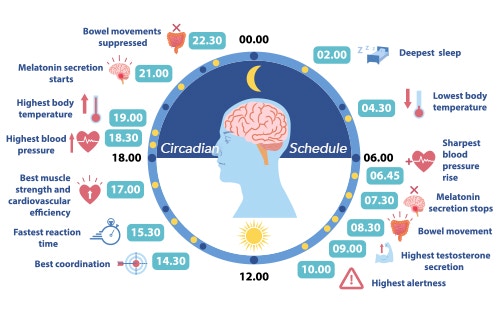
Circadian rhythms coordinate our physical and mental systems to ensure peak performance at different times of the day. For instance, cognitive functions are typically sharper in the morning, while physical strength and coordination tend to peak in the late afternoon. This coordination allows us to adapt to the natural environment, optimizing our activities and overall health.

how circadian rhythm works

Grasping these mechanisms allows for better daily routine management and improved well-being.

Factors Influencing Circadian Rhythms

Several factors influence our circadian rhythms, with light and darkness being the most significant. Light exposure, especially in the morning, can help regulate melatonin production and synchronize our body clock with the external environment. Besides light, other factors like meal timing, stress, physical activity, and temperature also play crucial roles in modulating circadian rhythms.

Maintaining a regular daily routine with consistent wake-up and sleep times can significantly improve circadian rhythms. This consistency helps align our internal clocks with external cues, promoting better sleep patterns and overall health.

The following subsections will delve deeper into the specific influences of light exposure and feeding times on circadian rhythms.

Light Exposure

Light exposure is a powerful regulator of circadian rhythms, particularly its effects on hormones and body temperature. Different wavelengths of light, especially blue light, play a significant role in regulating melatonin levels, a hormone that influences sleep/wake cycles. When exposed to bright light, particularly in the morning, melatonin production is suppressed, which helps us feel more awake and alert.

Changes in melatonin levels affect core body temperature and sleep/wake cycles, highlighting the importance of light exposure for maintaining a healthy circadian rhythm. Managing light exposure can boost our circadian zeitgebers, aligning our internal clocks with environmental cues. This can be particularly beneficial for those who work night shifts or experience irregular sleep patterns.

Feeding Times

Feeding times are another significant factor influencing circadian rhythms. Environmental cues that reset circadian rhythms daily are known as zeitgebers, and meal timing is one of them. Liver cells, for instance, respond to feeding and other non-light inputs, indicating that meal timing is a key factor in circadian regulation. Synchronizing meal times with the body’s internal clock can enhance metabolic health and overall well-being.

Meal timing can significantly influence the synchronization of peripheral clocks throughout the body. This synchronization helps maintain a stable sleep schedule and promotes better sleep patterns. Synchronizing meal times with natural circadian rhythms can enhance overall health and optimize bodily functions.

Common Circadian Rhythm Disorders

Circadian rhythm disorders are serious health conditions that can significantly affect daily functioning.

common circadian rhythm sleep disorders

One of the most common circadian sleep problems is jet lag, typically caused by traveling across multiple time zones.

Advanced sleep phase disorder, more common in older adults, disrupts their evening activities.

These disorders are associated with various health issues, including:

  • obesity
  • diabetes
  • hypertension
  • cardiovascular diseases

Mental health issues such as bipolar disorder and depression are also linked to circadian rhythm disruptions. Aging can impact the circadian system, affecting the response to environmental time cues. Conflicts between time demands and natural sleep signals can lead to disrupted sleep patterns, necessitating a deeper understanding and management of these disorders.

The following subsections will explore specific circadian rhythm disorders in more detail.

Delayed Sleep Phase Syndrome

Delayed sleep phase syndrome is characterized by difficulty falling asleep at a regular time, often resulting in individuals staying awake until 2 a.m. or later. This disorder is more common among young adults and teenagers, who experience a rise in melatonin levels significantly later in the evening compared to adults. The shift in circadian rhythm causing later sleep onset is primarily due to hormonal changes like delayed melatonin release.

This syndrome can interfere with work or school and often leads to mental stress. Bright light therapy is an effective treatment for shifting sleep patterns and can benefit individuals with delayed sleep phase syndrome significantly. By exposing themselves to bright light in the morning, individuals can gradually shift their sleep patterns to align more closely with societal norms.

Advanced Sleep Phase Disorder

Individuals with advanced sleep phase disorder go to bed much earlier than normal, often experiencing increased sleepiness in the afternoon. This disorder is most frequently observed in older adults who tend to wake up earlier than the general population, leading to early morning wakefulness.

Advanced sleep phase disorder can become problematic when increased sleepiness interferes with evening plans and activities. Managing this disorder is vital for keeping a balanced and active social life, particularly for older adults.

Irregular Sleep-Wake Rhythm

Irregular sleep-wake rhythm disorder is characterized by unpredictable sleep patterns that can severely disrupt daily life. This disorder can lead to symptoms similar to those experienced during jet lag, including fatigue and confusion.

Managing irregular sleep-wake rhythm requires a structured approach to sleep hygiene and often professional intervention to stabilize sleep patterns.

Health Implications of Disrupted Circadian Rhythms

Disrupted circadian rhythms can lead to immediate health effects such as fatigue, disorientation, and insomnia. Ongoing fatigue and mood swings may indicate severe circadian rhythm disorders, requiring further consultation. The short-term disruption can severely impact daily functioning and overall quality of life.

Long-term disruptions in circadian rhythms are linked to more severe health issues, including obesity, metabolic syndrome, diabetes, and cardiovascular and renal diseases. These conditions highlight the critical importance of maintaining a stable circadian rhythm for long-term health and well-being.

Strategies to Optimize Your Circadian Rhythm

Optimizing your circadian rhythm involves maintaining a healthy 24-hour schedule. Night shift workers can adapt their circadian rhythms by delaying bedtime and wake times by one to two hours before evening shifts. Adding short naps to your daily routine can mitigate sleep deprivation effects.

The following subsections will provide detailed strategies, including maintaining a consistent sleep schedule, light therapy, and using melatonin supplements, to help you optimize your circadian rhythm effectively.

Consistent Sleep Schedule

schedule strategy for optimizing circadian rhythm

A consistent sleep schedule is key to regulating your internal clock. Going to bed and waking up at the same time every day, even on weekends, can significantly improve sleep quality and overall health. Gradually making small adjustments to your sleep schedule can ease the transition and make it more sustainable.

Since circadian rhythms control sleep cycles and bodily functions, a regular sleep schedule is essential for alignment. A consistent sleep schedule helps mitigate the effects of poor sleep habits and enhances your overall well-being.

Manage Light Exposure

Expose yourself to bright light each morning, ideally within an hour or two of waking up. This helps regulate your melatonin cycle, increasing the likelihood of feeling sleepy at the appropriate time each night. If natural sunlight isn’t accessible in the morning, consider using a bright-light device that emits plenty of blue-spectrum light.

Light therapy effectively regulates circadian rhythms, especially for shift workers and those with seasonal affective disorder. Exposure to bright light in the morning can help synchronize the circadian rhythm and improve alertness throughout the day.

This therapy assists in adjusting melatonin production, thereby regulating sleep patterns.

Regulate Meal Times

To optimize your circadian rhythm, aim to eat at regular intervals throughout the day and avoid heavy meals or caffeine close to bedtime. Consider trying time-restricted eating or intermittent fasting by consuming all your meals within an 8-10-hour window each day. Note the time you consume your first calories of the day, whether from food or beverages and plan to have your last intake 10 hours later. Ensure that your final calories are consumed two to three hours before going to bed.

Incorporate Relaxing Activities

Engage in at least one calming activity to unwind. Consider reading a book, enjoying a massage, journaling, listening to soothing music, or engaging in prayer or meditation. Taking a warm bath or shower at least an hour before bedtime can help your body begin its cooling-down process, preparing you for a restful night’s sleep.

Melatonin Supplements

Melatonin supplements can help regulate sleep cycles, especially when taken at the right time relative to the individual’s natural sleep-wake patterns. These supplements may assist with sleep onset and duration, particularly in those experiencing jet lag or shift work.

By timing melatonin intake appropriately, individuals can enhance their sleep quality and overall circadian health.

When to Seek Professional Help

If circadian rhythm issues persist for a long time, it is advisable to see a healthcare provider. Persistent sleep problems related to circadian rhythm disorders may require consultation with a sleep medicine specialist who can provide tailored advice and treatment options. Seek professional help if lifestyle changes fail to improve your sleep quality.

Healthcare providers can diagnose and treat circadian rhythm sleep disorders, aiding in regaining a balanced sleep/wake cycle and better health. Do not hesitate to seek professional assistance if you find it challenging to function properly due to sleep issues.

Circadian Rhythm Summary

Understanding and optimizing your circadian rhythm is essential for maintaining good health and well-being. Circadian rhythms, regulated by the suprachiasmatic nucleus, play a crucial role in synchronizing various physiological processes with the external light-dark cycle. Factors such as light exposure and feeding times significantly influence these rhythms, while disruptions can lead to serious health implications, including metabolic disorders and cardiovascular diseases.

You can effectively manage and optimize your circadian rhythm by adopting strategies like maintaining a consistent sleep schedule, using light therapy, and taking melatonin supplements. If sleep problems persist despite these efforts, seeking professional help is crucial. Embracing these practices can lead to better sleep quality, improved mood, and enhanced overall health.

Circadian Rhythm Frequently Asked Questions

What are circadian rhythms?

Circadian rhythms are 24-hour natural cycles that regulate physical, mental, and behavioral changes in the body, primarily influenced by the light-dark cycle, thereby affecting processes like the sleep/wake cycle. Understanding these rhythms is essential for optimizing health and well-being.

How does light exposure affect circadian rhythms?

Light exposure, particularly blue light in the morning, plays a vital role in regulating melatonin production and aligning circadian rhythms with the external environment, ultimately supporting a healthy sleep/wake cycle. Thus, managing light exposure can significantly enhance your overall circadian health.

What is delayed sleep phase syndrome?

Delayed sleep phase syndrome is a circadian rhythm disorder where individuals struggle to fall asleep at conventional times, commonly staying awake until the early morning. This condition is particularly prevalent among teenagers and young adults.

How can I optimize my circadian rhythm?

To optimize your circadian rhythm, maintain a consistent sleep schedule and consider using light therapy to regulate melatonin production. Additionally, melatonin supplements can be beneficial if needed, helping to align your internal clock with external cues for improved sleep and health.

When should I seek professional help for circadian rhythm issues?

You should seek professional help for circadian rhythm issues if they persist despite making lifestyle changes, as a healthcare provider or sleep medicine specialist can offer a proper diagnosis and personalized treatment.

Foot Palace Massage Spa Athens

196 Alps Rd Ste 31, Athens,  GA 30606
(706) 521-5290

To view the original version on Foot Palace, visit: https://yourfootpalace.com/understanding-circadian-rhythm-your-guide-to-better-sleep-health/

Wednesday, December 19, 2018

5 Benefits of Sleeping in a Cold Room

If you could look younger, sleep better, and save money this winter by doing this simple trick, would you?

Because a subtle temperature change can maximize your sleep while improving your bodily functions, everyone should know the impact and simple adjustments to accomplish this.

Sleep cold room benefits spa Athens Ga

yourfootpalace.com explains how the body’s core temperature is related to sleep, uncovers the most significant benefits of sleeping in a cold room, and answers frequently asked questions about sleep and room temperature.

Core Body Temperature and Sleep

Our core body temperature is regulated by the hypothalamus and kept between 96.8 and 100.4 degrees Fahrenheit during every 24-hour cycle.

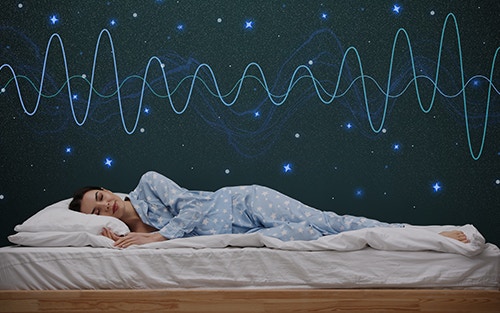
Within a normal circadian rhythm, a warmer core temperature is associated with being alert and energetic. It is when the core temperature drops that drowsiness and sleep occur.

Knowing core temperature influences your sleep state is already a plus, but there are additional benefits that enhance your overall well-being.

What Sleeping in a Cold Room Can Do for You

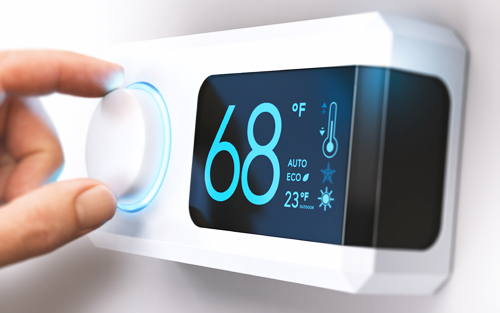
Before you go cranking up the thermostat and jumping under all the blankets and comforters, check out these 5 benefits you get from sleeping in a room that’s kept between 60 and 68 degrees Fahrenheit:

1 – Fall Asleep Easier – A cooler room can aid the body in lowering its core temperature, naturally signaling that it is time to sleep.

2 – Fight Insomnia – According to a study by the University of South Australia, insomniacs have a higher core temperature and are kept awake while their bodies are losing the heat that is interrupting or delaying their sleep.

Sleeping temperature cold room reflexology Athens Ga

Lowering the temperature in the bedroom can help fight insomnia by dropping the body’s core temperature. Read more at http://w3.unisa.edu.au/unisanews/2004/June/insomnia.asp

3 – Uninterrupted Sleep Cycles – Sleeping in a cold room helps you stay asleep, and in turn, allows you to cycle through the critical sleep stages naturally.

When sleeping in a warmer environment, you are more likely to wake up throughout the night as your core temperature may rise.

If your core temperature rises too fast or too high, this may trigger you to sweat. Sweating is one of the body’s ways of cooling itself off, as well as a mechanism to try and maintain the sleep cycle.

When you wake up shivering, your core temperature has dropped too far. Shivering is one of the body’s mechanisms (muscle movement) to warm itself.

4 – Improved Melatonin Production – Melatonin is the body’s natural sleep hormone and a powerful antioxidant, and its production increases while sleeping in a cooler environment.

An increased melatonin level works to keep you asleep throughout the sleep stages, and aids in slowing the aging process! Ready to turn down the thermostat yet?

Sleeping in cold room benefits spa Athens Ga

5 – Increase Your Metabolism – Sleeping in a cold room works to rev up your metabolism which in itself helps to lower your risk of disease, and boosts the production of growth hormones.

These growth hormones work to mend muscle tissue, aid in the healing of bone fractures, and are used by children in their growth stages.

People Also Ask

Question: What Temperature Should Your Bedroom Be At Night?
Answer: To benefit from sleeping in a cold room, the temperature should range from 60 to 68 degrees Fahrenheit.

Question: Does Your Body Temperature Rise When You Sleep?
Answer: No. In fact, drowsiness and sleep are triggered by a lowering of your core temperature.

Question: Why Do I Sweat In My Sleep Every Night?
Answer: Your room may be too warm. Likely, by adjusting the bedroom temperature, you can reduce, if not stop the night sweats.

However, if the night sweats persist, it would be wise to seek advice from your primary care physician.

Question: Is Sweating At Night A Sign Of Cancer?
Answer 1: Not definitively. Sweating at night is the body’s primary mechanism for cooling its core temperature. It may also indicate or result from:

• A vitamin B-12 deficiency
• Hot Flashes
• Menopause
• Idiopathic hyperhidrosis (unknown cause of sweating)
A common side-effect of some types of cancer and cancer treatments is night sweats. Read more here cancer.gov/about-cancer/treatment/side-effects/hot-flashes-pdq

Note: For both men and women, sudden, radical, and/or persistent changes in your sleep stages should be taken seriously and evaluated by your primary care physician.

Question: How Cold Is Too Cold For Sleeping?
Answer: Temperatures in the mid 50’s and below can potentially disrupt sleep.

If the room is too cold, you are likely to curl up under a mountain of blankets which may raise your core temperature to levels which can cause night sweats and may interrupt your sleep.

Question: Does Sleeping In A Cold Room Give You Nightmares?
Answer: Dreams and nightmares are not conclusively related to room or body core temperature. That stated, a cooler room has the tendency to aid in better sleep.

Lower the Thermostat and Avoid Overheating While Sleeping

Your overall health and well-being are dependent on your ability to consistently get a good night’s sleep. Sleeping in a cold room can help you do this while saving money on your heating bill. It’s a win-win situation.

In this article, you discovered how the body’s core temperature is directly related to the quality of your sleep, the most significant benefits of sleeping in a cold room, and answers to frequently asked questions about room temperature and sleep.

Your health, looks, and well-being are directly related to your ability to rest. Your uninterrupted sleep stages are of your mind and body’s greatest necessities, and you can enhance your sleep while maintaining your circadian rhythm by sleeping in a cold room.

Sources:

https://blog.dana-farber.org/insight/2016/09/whats-the-connection-between-night-sweats-and-cancer/
http://healthysleep.med.harvard.edu/healthy/science/what/characteristics


Foot Palace Massage Spa Athens

1720 Epps Bridge Pkwy Ste 106, Athens, GA 30606

(706) 521-5290

To view the original version on Foot Palace, visit: https://www.yourfootpalace.com/5-benefits-sleeping-cold-room/

Tuesday, June 20, 2017

Why Proper Sleep Posture Translates to a Happier Body

Your sleeping posture may be comfortable, but it could ultimately be the cause of some health issues. Improper sleep positioning has been linked to neck/back pain, poor circulation, sleep apnea, next day fatigue and even premature wrinkles. For the appropriate amount of sleep and tips to fall asleep faster, visit yourfootpalace.com/regular-sleep-promotes-healthy-minds/. For the common sleep positions and how they compare to one another, read on.

Sleeping On Your Side

Side Sleepers (Arm’s/Leg’s straight): Over 15% of adults find this position to be most comfortable. Although relatively few people sleep this way it does show to have positive benefits, notably its help for those with sleep apnea. Because the body is on its side gravity prevents the tongue from falling back into the throat passage, restricting airflow. This position has also been shown to help with acid reflux and alleviating back pain since the spine is elongated. The only downside to this is the increased likelihood of wrinkles via face to pillow contact throughout the night.

Side Sleepers (Fetal Position): By far the most popular sleep position with 41% of people favoring this pose, the benefits are fewer but the comfortability is definitely greater. This position is ideal during pregnancy (specifically lying on the left side) because it helps improve circulation in not only your body but the baby’s as well. Lying on your left side can also help relieve pressure being placed on your liver when you sleep. Although this is the most comfortable position, sleeping with your knees too tightly tucked and your chin tucked down into your chest/pillow can tighten the diaphragm, making it harder to breathe and leaving you sore in the morning. A trick to help with posture in this position is to tuck a pillow in between your knees.

Sleeping on Your Stomach

Stomach Sleepers: A majority of people find this pose to be uncomfortable and understandably so. Because you are on your stomach your neck and spine have a hard time lying flat, especially with a pillow under head, causing serious neck and back the next morning as well as trouble breathing. The upward angle of the neck constricts air flow and this is more so the case when the head is turned to either side. This angle also puts the most stress on the lower back of any sleeping position.

Sleeping on Your Back

Back Sleepers: Without a doubt, sleeping on your back allows for the greatest amount of support along the spine and neck. This support as well as spinal elongation helps to prevent upper and lower back pain as well as keeping your neck in a neutral position throughout the night. Keeping a pillow underneath the head will prevent acid reflux occurring during the night. One of the only downsides to sleeping on your back is airway blockage from your tongue. This can be a serious threat to those with sleep apnea due to the increased lack of breath. Your snoring might increase but with no face to pillow contact your likelihood of developing wrinkles earlier in life will definitely decrease.

Posture Affects Your Sleep

Although posture plays an important role in your sleep there are other factors such as your mattress and pillow type. For side sleepers placing a pillow between your legs helps to correctly align the spine. At the end of the day everyone falls asleep in the position which is most comfortable for them, but taking your health into consideration might just help you make the switch to a better night’s sleep.


Foot Palace Massage Spa Athens

1720 Epps Bridge Pkwy Ste 106, Athens, GA 30606

(706) 521-5290

To view the original version on Foot Palace, visit: http://http://www.yourfootpalace.com/why-proper-sleep-posture-translates-to-a-happier-body/  

Monday, February 27, 2017

How Regular Sleep Promotes a Healthy Mind

The cognitive skills we depend on in our daily lives are affected when we fail to get good sleep. Our abilities to focus, concentrate, reason, remember and make good judgment calls all suffer from lack of sleep. Our Foot Palace health team uncovered ongoing research that suggests our brains depend on a nightly bath, of sorts, to keep them functioning at their best. Not getting enough sleep or not sleeping deeply enough, hinders your brain’s ability to perform this nightly flush, possibly leading to a less productive day.

For the average person, a lack of sleep could translate to the inability to focus on what’s being said at a meeting, to gather information assemble it into an important report, or to engage with co-workers in a collegial and collaborative manner.

How Much Sleep is Enough Sleep

The gold standard for sleep is six to eight hours nightly, and evidence suggests the average American adult is getting at least that much. But just depriving yourself of an hour a night adds up and can have cumulative effects on your mental status throughout the week.

“Fortunately, recovery sleep works,” says A. Thomas Perkins, a sleep expert and director of the Sleep Medicine Program at Raleigh Neurology in Raleigh, North Carolina. “So you can be chronically sleep deprived for weeks in a row, and have a few long nights’ sleep and a nap and sort of boom, you’re caught up. In other words, you don’t have to make up what you miss in a 1:1 ratio.”

Going to bed early and staring at the ceiling does not make for more efficient sleep, and taking a hot bath raises your core body temperature, when your body actually requires a half-degree drop in temperature to trigger its nightly shut down.

And what about those people who say they just function better on less than the recommended hours of sleep?

“They’re full of it,” Perkins says. “It’s like saying, ‘I don’t need eyeglasses,’ but you didn’t realize you needed them until you had corrective lenses to compare what you’re currently seeing to what you ought to be seeing. They don’t have a reference point for normal sleep and refreshment.”

So the next time you’re tempted to work late and burn the midnight oil, remember: sacrificing sleep could actually put you at a disadvantage. Putting in regular hours with a clear mind is more beneficial than overtime on limited sleep, and you’ll feel healthier for it.

Natural Ways to Fall Asleep Faster

Give yourself acupressure

• Here are some acupressure techniques to alleviate sleeplessness: Between your eyebrows, there is a small depression on the level of your brows, right above the nose. Apply gentle pressure to that point for a minute.

• Between your first and second toes, on top of the foot, there is a depression. Press that area for a few minutes until you feel a dull ache.

• Imagine that your foot has three sections, beginning at the tips of your toes and ending at the back of your heel. Find the distance one-third back from the tips of your toes and press on the sole of your foot for a few minutes.

• Massage both of your ears for a minute.

Use the “4-7-8” method

Championed by best-selling author Dr. Andrew Weil, the “4-7-8” breathing technique will help you fall asleep in under a minute. The method relaxes you by increasing the amount of oxygen in your blood stream, slowing your heart rate, and releasing more carbon dioxide from the lungs. 

Here’s how you do it:

  1. Place the tip of your tongue against the ridge of tissue just behind your upper front teeth, and keep it there through the entire exercise.
  2. Exhale completely through your mouth, making a whoosh sound.
  3. Close your mouth and inhale quietly through your nose to a mental count of four.
  4. Hold your breath for a count of seven.
  5. Exhale completely through your mouth, making a whoosh sound to a count of eight.

Repeat the cycle three more times for a total of four breaths.


Foot Palace Massage Spa Athens

1720 Epps Bridge Pkwy Ste 106, Athens, GA 30606

(706) 521-5290

To view the original version on Foot Palace, visit: http://www.yourfootpalace.com/regular-sleep-promotes-healthy-minds/  

Monday, January 30, 2017

10 Wellness Tips to a Healthier You

Much like babies, New Year’s resolutions are fun to make but hard to maintain. Here are a few tips that can help you stay on track.

1. Try wearing a pedometer. They say, “Out of sight, out of mind.” New research suggests that wearing a pedometer encourages people to walk about an extra mile each day, and in effect lose weight, and lower their blood pressure. Having a constant reminder helps, and you can get a decent one for about $20. Make your goal 30 minutes of walking a day or 10,000 steps per day.

2. Lift weights! Too many people neglect resistance exercise, especially women. Strength training is crucial for preventing muscle and bone loss with age. Lift weights for at least 20 minutes, two- to three-times per week. Don't forget strength training, involving both the upper and lower body.

3. Eat more fish. Try eating least two fish meals per week. The evidence is strong that the oils in darker types of fish, such as tuna, salmon, tuna, mackerel and herring, are very beneficial for the brain and hart, and may even lower risk of cancer.

4. Drink water. You’ve heard it a hundred times before, because its true- drink more water! Water truly is essential and should always be the first thing you reach for when you're thirsty.

5. Sleep 8 hours a night. Studies have confirmed that you really do need at least 8 hours of sleep a night. Some of the many benefits: You feel better, decreases risk for cardiovascular disease, and boosts memory.

6. Consider reflexology, acupressure and massage as valid therapies for chronic problems. Seeing a good massage therapist for neck strain may work better than taking extra strength Tylenol and/or Advil regularly. At the very least, these holistic options will help decrease stress and maintain overall wellness.

7. Keep sugar and caffeine to a minimum. Decreasing sugar actually increases your energy, by minimizing the highs and lows and preventing a sugar crash. People react differently to caffeine, but most of us are already overstimulated and could do without the additional boost. Drink green instead of coffee, the added bonus is weight loss.

8. Don't pop too many vitamins, evidence for their benefits are low. Try getting your daily vitamins from foods and consider taking a multivitamin right before bed.

9. Don't focus on dieting. Focus on eating, and WHAT you’re eating. If you're hungry, just eat something- otherwise you're more likely to overeat, especially in the evening. Instead, of sacrificing all day and gorging later, it's better to eat enough during the day to avoid hunger pangs and uncontrolled eating at night. Eat every four hours or so, to keep your energy up and make you less hungry in the evening. And mix it up by eating different foods at every meal.

10. Don't drink all your calories. It's easy to drink calories without noticing: that eggnog latte at Starbucks has nearly as many calories as a Big Mac. It's okay to have one as an occasional treat, but consider it a meal, not a drink.

Whether you need a spa treatment or relaxing massage therapy, Foot Palace invites you to melt away your pain and stress!


Foot Palace Massage Spa Athens

1720 Epps Bridge Pkwy Ste 106, Athens, GA 30606

(706) 521-5290

To view the original version on Foot Palace, visit: http://www.yourfootpalace.com/10-wellness-tips-to-a-healthier-you/