Showing posts with label Anxiety. Show all posts

Thursday, September 22, 2022

Anxiety Definition, Causes, and Relief

Prevent slipping into depression or allowing anxiety to cause confusion and angst in your life. Knowing how to recognize and deal with anxiety will help you remove its triggers and find relief from its destructive nature.

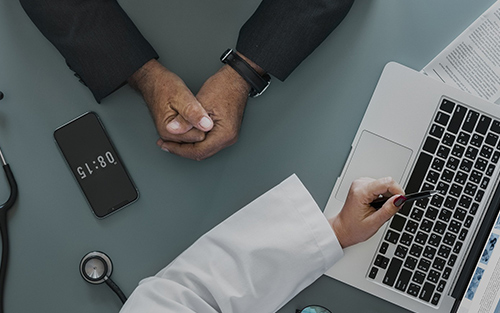
Fear dread and uneasiness can lead to anxiety

yourfootpalace.com gathered crucial information on the definition, causes, and ways to find relief from anxiety.

What is Anxiety?

Anxiety is an overwhelming feeling of fear, dread, and uneasiness. It can cause you to sweat, feel restless and tense, and have an increased heartbeat. Anxiety can be a normal reaction to mounting stress. You might feel anxious when confronted with a family illness diagnosis, a challenging problem at work, before taking an important test, or before making a crucial decision.

Note: Anxiety can be perfectly normal in stressful situations like public speaking or taking a test. Anxiety is only an indicator of an underlying disease when your feelings become excessive, consuming, and interfere with your routines and daily living.

What Causes Anxiety?

Highly challenging experiences in childhood, adolescence, or adulthood are common triggers for anxiety problems. Experiencing stress and trauma when you’re at a very young is likely to have a tremendous and long-term impact. Experiences that can trigger anxiety problems include traumatic accidents, physical or emotional abuse, etc.

What is an Anxiety Disorder?

An anxiety disorder is a mental health condition. If you have been diagnosed with an anxiety disorder, you may respond to specific things, sounds, and situations with fear and dread. You may also experience physical signs of anxiety, like an accelerated heart rate and sweating.

It is perfectly normal to experience some anxiety. As previously mentioned, you may feel anxious or nervous if you have to tackle a problem at work, go to an interview, or make an important decision. And this anxiety can work to your benefit. Anxiety can help you notice dangerous situations and will help you focus your attention so you stay safe.

Are Anxiety Disorders Common?

Yes. Anxiety disorders are among the most common mental health conditions in the U.S. They affect about 40 million Americans. These conditions happen to nearly 30% of all adults at some point. Anxiety disorders will most often begin in childhood, adolescence, or early adulthood.

Anxiety Management and Treatment

An anxiety disorder is similar to any other health problem that requires treatment. Though tips may help in managing your anxiety, it’s not often something you can just will away; this condition is not a matter of self-discipline or attitude. Researchers have made significant progress (in the last few decades) in treating mental health conditions. Your healthcare provider can tailor a treatment plan that works for you. Your plan may combine medication and psychotherapy.

Medications for anxiety disorders often include:

• Anti-anxiety medications, like benzodiazepines, can significantly decrease your anxiety, panic, and worry. They work quickly, but your body can build up a tolerance to them and that makes them less effective with time. Your doctor may prescribe an anti-anxiety medication for the short term, then taper you off, switch the medication, or add an antidepressant to the mix.

• Antidepressants can also help you minimize or overcome anxiety disorders. They alter how your brain uses specific chemicals to improve your mood and reduce stress. Antidepressants may take some time to work, and if you feel like you need to stop taking antidepressants, talk to your provider first.

• Beta-blockers, typically used for high blood pressure, can help minimize some of the physical symptoms associated with anxiety disorders. They can slow your rapid heartbeat, reduce shaking, and stop you from trembling.

Note: Never start or cease any prescription medication without first consulting your primary care physician.

•Cognitive Behavioral Therapy (CBT) is among the most effective form of psychotherapy for anxiety disorders. This is generally a short-term treatment. CBT focuses on teaching you skills that improve your symptoms and gradually allow you to return to the activities you’ve avoided because of anxiety.

Other ways to calm your anxiety include:

  • Use some relaxation and breathing techniques (consult a licensed physical therapist)
  • Avoid caffeine (coffee, colas, chocolate, tea, etc.)
  • Avoid alcohol and unprescribed medications
  • Avoid nicotine (cigarettes, chew, snuff, cigars, etc.)
  • Adopt and maintain a healthy, balanced diet
  • Question and challenge your thoughts
  • Share your feelings with a loved one
  • Participate in regular therapy sessions
  • Relax and take regular spa days
  • Get regular couples massages with someone you can talk to
  • Maintain a regular sleep schedule
  • Increase your physical activity

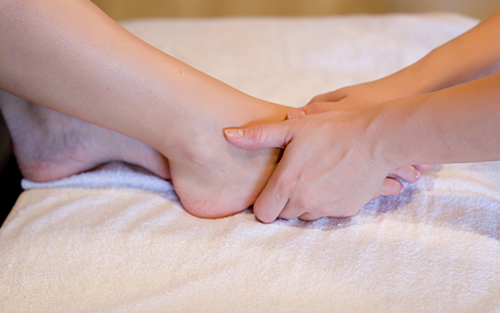
Relieve anxiety with regular spa days

Finding ways to channel or avoid your anxiety quickly can help you remain stable, productive, and more self-aware.

Ways to Treat Anxiety

In this article, you discovered information about what anxiety is, what causes it, and how you can find relief.

Identifying that you have a problem with anxiety is the first crucial step to understanding it and seeking the help and treatment you may require.

Ignoring the symptoms of anxiety can leave you depressed, dwelling on your thoughts, and creating challenges in your life.

*Disclaimer: No content on this publication, page, or site, regardless of date or topic, should ever be used as a substitute for direct medical advice from your primary care physician or other qualified clinicians.

Sources:
mayoclinic.org/diseases-conditions/anxiety/diagnosis-treatment/drc-20350967
my.clevelandclinic.org/health/diseases/9536-anxiety-disorders
adaa.org/tips
medlineplus.gov/anxiety.html

Foot Palace Massage Spa Athens
196 Alps Rd Ste 31, Athens,  GA 30606
(706) 521-5290

Foot Palace Massage Spa Braselton
2095 Highway 211 NW Suite 7B, Braselton, GA 30517
(678) 963-5958

To view the original version on Foot Palace, visit: https://yourfootpalace.com/anxiety-definition-causes-and-relief/

Wednesday, September 18, 2019

Massage for Anxiety and Depression Relief

Is constant fear, anxiety, or depression robbing you of your happiness and joy. There are several ways to minimize the effects, recover from, and prevent an anxious or depressed state.

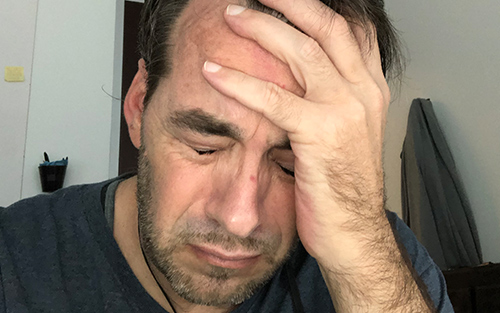
How to overcome feelings of anxiety and depression

yourfootpalace.com gathered information about anxiety, depression, how to recognize their presence, and how to effectively treat them.

What are Anxiety and Depression?

Both anxiety and depression are common afflictions that, if not treated, can lead to severe health problems, including high blood pressure, chronic fatigue, and suicidal tendencies.

Anxiety is an intense, excessive, overwhelming, and persistent worry, accompanied by fear, over common everyday situations. Physical symptoms of anxiety may include:

• Fast breathing
• Fast heart rate
• Excessive sweating
• Exhaustion or feeling tired

Anxiety is a normal reaction in stressful situations such as before making a presentation, taking a test, public speaking, or asking someone on a date. It is when this feeling becomes excessive, persistent, consuming, and interferes with your daily life that it is an indicator of an underlying problem or disease.

Anxiety and depression treatment with massage

Depression is a mental health disorder accompanied by a general loss of interest in any or all activities or a persistent depressed mood. A prolonged state of depression can cause significant interruptions and impairments in daily life. Symptoms of depression may include:

• Persistent sadness
• General loss of interest
• Changes in sleep routines
• Changes in appetite
• Changes in daily behaviors or habits
• Difficulty concentrating
• Low energy levels
• Thoughts of suicide

With millions of diagnosed cases per year, depressive disorder, generally referred to as depression, is more than feeling sad or going through difficult times. Depression is a mental health condition requiring understanding and medical care.

Anxiety and depression diagnosis and treatment plan

If left untreated, depression can devastate the lives of the victim and their families. Through early detection, diagnosis, and a structured treatment plan consisting of medication, therapy, and healthy lifestyle choices, people can and do get better.

Anxiety and Depression Treatment

Treatment for anxiety and depression have many similarities. The following are ways to minimize the effects of anxiety and depression and indicators of when you should seek medical care:

• Slow or cease the use of caffeine, alcohol, and nicotine
• Include physical activities in your daily or weekly plans (consult your primary care physician to determine any limitations)
• Establish a well-balanced diet (consult a nutritionist or your primary care physician)
• Include nightly exercises and stretching that promote relaxation (consult a personal trainer for proper techniques and intervals)
• Join a support group (the Anxiety And Depression Association of America (ADAA) provides an online support group found at adaa.org/adaa-online-support-group)
• Massage can relieve muscle tension, improve circulation, and increase flexibility. Massage therapy can work to manage the fight-or-flight response, or stress reaction, that is typically associated with anxiety disorders. Visit yourfootpalace.com/reflexologist-massage-in-athens-ga/ to learn more.

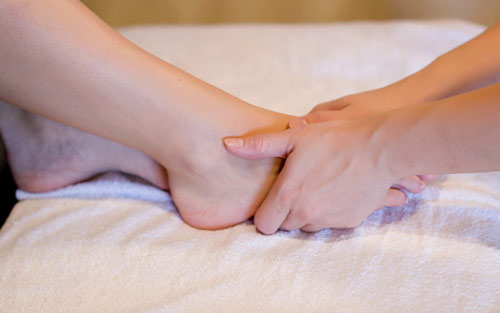
Reflexology foot massage treatment for stress and anxiety in Athens Ga

You should seek medical care if you:

• Have trouble maintaining relationships
• Can no longer function efficiently at work
• Feel perpetually sad, troubled, or slowed down
• Abuse alcohol or other substances

Seek immediate medical attention if you:

• Are consumed by thoughts of self-worthlessness
• Believe your life doesn’t matter
• Are considering inflicting harm on others
• Are considering or contemplating suicide
• Can no longer complete daily activities or work

What differs in the treatment of anxiety and depression is that depression treatments will frequently include both prescription medication and therapy.

When you feel that there is no-one to speak to or help, you can reach out to:

Substance Abuse and Mental Health Services Administration (SAMHSA) by calling 1-800-662-HELP (4357). This call is free and confidential, 24/7, 365-day-a-year for treatment referrals and information for individuals and families facing mental or substance use disorders (in English and Spanish).

Anxiety and depression emergency helpline

National Alliance on Mental Illness (NAMI) by calling 1-800-950-NAMI (6264) Monday through Friday 10:00 am to 6:00 pm (Eastern time) or Text “NAMI” to 741741 24/7.

NOTE: Before initiating any treatment, medication, exercise routine, dietary alteration, physical or psychological therapy should be communicated to your primary care physician to ensure its safety in your circumstances.

How to Overcome Anxiety and Depression

When anxiety or depression are interfering with your relationships, job, or outside activities, there are actions you can take to avoid spiraling into a potentially harmful state of mind.

In this article, you discovered essential information about anxiety and depression, what signs are present, how to treat the condition, and contact information for organizations that can help.

If anxiety or depression is allowed to persist, it can prevent your happiness, result in a deepening feeling of worthlessness, inadequacy, and even lead to thoughts of self-harm or suicide.

Sources:
nami.org/learn-more/mental-health-conditions/depression
samhsa.gov/find-help/national-helpline
mayoclinic.org

Foot Palace Massage Spa Athens
1720 Epps Bridge Pkwy Ste 106, Athens,  GA 30606
(706) 521-5290

Foot Palace Massage Spa Braselton
2095 Highway 211 NW Suite 7B, Braselton, GA 30517
(678) 963-5958

To view the original version on Foot Palace, visit: https://www.yourfootpalace.com/massage-anxiety-depression-relief/