Showing posts with label Foot Pain. Show all posts

Friday, October 17, 2025

Foot Pain – Causes And Solutions

Experiencing foot pain? You’re not alone. This article will guide you through understanding the causes, identifying symptoms, and exploring effective solutions to alleviate your discomfort and improve foot health.
foot pain

Key Takeaways

  • Understanding the complex anatomy of the foot is crucial for diagnosing and treating foot pain.
  • Common causes of foot pain include overuse injuries, ill-fitting shoes, and improper foot mechanics.
  • Effective management of foot pain involves appropriate footwear, supportive treatments, and timely medical attention when necessary.

Anatomy of the Foot

The human foot is a complex structure composed of 26 bones, including seven tarsals, five metatarsal bones, and 14 phalanges. The heel bone, or calcaneus, is the largest bone in the foot and absorbs the most impact during activities. The tarsals form the back part of the foot, including the talus and calcaneus, crucial for weight-bearing. These bones work in concert to provide support and mobility.

The foot also boasts 33 foot joints, which facilitate both stability and flexibility. These joints allow for a range of movements, from walking and running to jumping and balancing. The foot’s muscles are divided into extrinsic and intrinsic groups. Extrinsic muscles originate in the lower leg and allow various foot movements, while intrinsic muscles are confined to the foot itself and provide fine motor control.
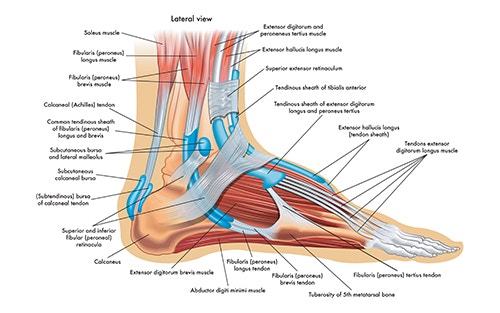
anatomical illustration of the human foot - bones and structures

Supporting this intricate framework are over 100 tendons and ligaments, including the plantar fascia, the longest ligament in the foot, essential for arch support. These soft tissues connect bones and aid in movement, ensuring that the foot can withstand the stresses of daily activities, including the achilles tendons. Understanding this anatomy is the first step in diagnosing and treating foot pain effectively.

Common Causes of Foot Pain

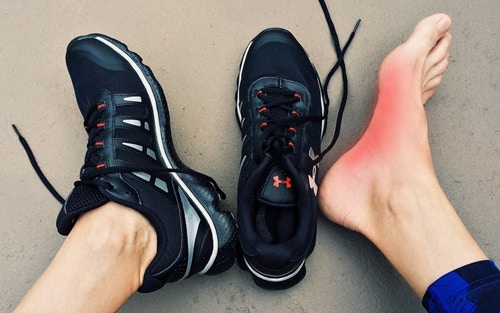
Foot pain can stem from a variety of foot pain causes that can cause foot pain, with overuse injuries being among the most common. These injuries often arise from repetitive activities that strain the foot’s structures. Wearing shoes that do not fit properly can lead to various foot ailments and exacerbate discomfort. Shoes with a wide toe box and good arch support can minimize foot pain and prevent issues like plantar fasciitis and metatarsalgia. If your feet hurt, it’s essential to assess your footwear and activity levels.

Improper foot mechanics during movement can cause strain and lead to develop foot pain in different areas of the foot, including stress fractures and a stress fracture. Significant contributors to foot pain include:

  • Overuse injuries
  • Ill-fitting shoes
  • Poor foot mechanics
  • Environmental factors, such as walking on hard surfaces

Overuse injury is a common cause of pain on the top of the foot. This type of discomfort can often be linked to physical activity.

Understanding these common causes can help in identifying the root of the problem and taking appropriate measures to alleviate discomfort. Whether it’s through better footwear, supportive inserts, or addressing biomechanical issues, there are ways to manage and reduce foot pain effectively.

Heel Pain: Causes and Treatments
a person experiencing heel pain

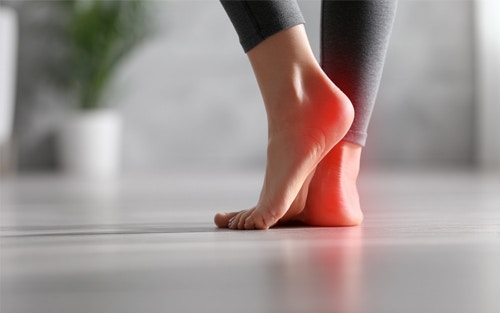
Heel pain is a prevalent issue that can significantly impact one’s mobility and quality of life. Common causes of heel pain include:

  • Plantar fasciitis: arises from irritation and inflammation of the plantar fascia, often leading to heel pain that worsens in the morning.
  • Heel spurs: a bone growth on the heel bone that can cause pain due to stress and inflammation of the plantar fascia.
  • Strain or injury: overuse or sudden stress on the foot’s soft tissues—such as the plantar fascia, Achilles tendon, or surrounding muscles—can lead to inflammation and microtears that produce pain with movement or weight-bearing.

Several factors contribute to the development of plantar fasciitis, including being overweight, having flat feet or high arches, and maintaining occupations that require standing or walking. Treatment options for heel pain include using ice packs to reduce pain and swelling, elevating your feet to alleviate discomfort, and wearing supportive shoe inserts. These measures can help manage symptoms and promote healing.

For those suffering from heel pain, it’s essential to address the underlying causes and adopt appropriate treatments. Whether it’s through lifestyle changes, physical therapy, or medical interventions, there are ways to find relief and improve foot health.

Arch Pain: Identifying and Treating Issues

Arch pain can be particularly debilitating, affecting the ability to walk and stand comfortably. Common conditions causing arch pain include flat feet, fallen arches, and high arches. Individuals with flat feet may experience pain due to a lack of arch support, while those with high arches may experience pressure on specific points of the foot.

Stretching and strengthening exercises can help alleviate discomfort associated with flat feet, called flat feet. Orthotic shoe inserts are commonly used to provide support for arch pain caused by flat feet. These shoe inserts physical therapy offer additional cushioning and support, helping to distribute pressure more evenly across the foot and avoid putting excessive strain.

Addressing arch pain involves understanding the specific condition affecting your feet and taking steps to manage it effectively. With the right combination of exercises and supportive footwear, it’s possible to reduce pain and improve overall foot health.

Pain in the Ball of the Foot

Pain in the ball of the foot, also known as metatarsalgia, can be a significant source of discomfort. Conditions such as Morton’s neuroma can lead to pain in this area, caused by nerve compression and nerve damage. Metatarsalgia is characterized by discomfort and irritation in the ball of the foot, often linked to activities like running and jumping. Symptoms include sharp or aching pain that intensifies with movement and tends to alleviate with rest.
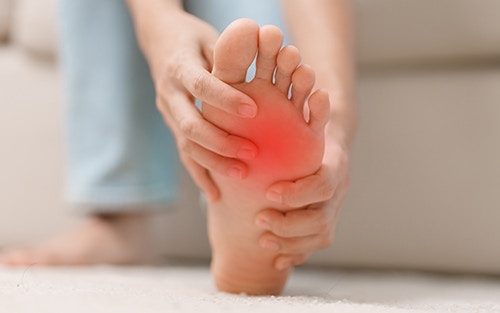
a person experiencing pain in ball of foot

Wearing improper shoes, particularly high heels, can contribute to the development of metatarsalgia. Excess body weight can increase pressure on the metatarsals, exacerbating symptoms. Individuals with high arches or certain toe shapes may be more prone to developing metatarsal bone fractures. Wearing appropriate footwear with cushioning can help prevent or reduce symptoms of metatarsalgia.

Managing pain in the ball of the foot involves addressing the underlying causes and adopting measures to reduce pressure and irritation, including keeping a painful foot elevated. Proper footwear and cushioning can make a significant difference in alleviating pain and improving comfort when you wear Foot Pads.

Toe Pain: Common Conditions and Remedies

Toe pain can arise from various conditions, including bunions, hammertoes, and gout. These conditions can cause significant discomfort and affect mobility. Bunions and hammertoes are often aggravated by improper footwear, while gout is triggered by dietary factors.

Wearing shoes with a wide toe box and using orthotic shoe inserts can help alleviate toe pain. In severe cases, surgical intervention may be necessary for bunions or hammertoes that do not respond to conservative treatments. Addressing toe pain involves understanding the specific condition and taking appropriate steps to manage it.

Choosing the right footwear and following medical advice can reduce toe fractures and enhance overall foot health. Whether you wear shoes through lifestyle changes or medical interventions, there are ways to find relief and enhance comfort for your third and fourth toes, including toe rubs and big toe care.

Ankle Pain and Injuries

Ankle pain can be a result of various injuries, including an ankle sprain, ankle joint fractures, ankle fractures, and overuse injuries. When flat feet are present, the lack of arch can lead to ankle instability and foot and ankle pain during walking. Treatment options for ankle pain may include rest, ice, physical therapy, and ankle sprains, with surgery as a last resort for severe cases.

Seek medical attention if experiencing severe pain, swelling, or inability to walk. Early intervention can help prevent further complications and promote healing. Managing ankle pain involves understanding the cause and adopting appropriate treatment measures.
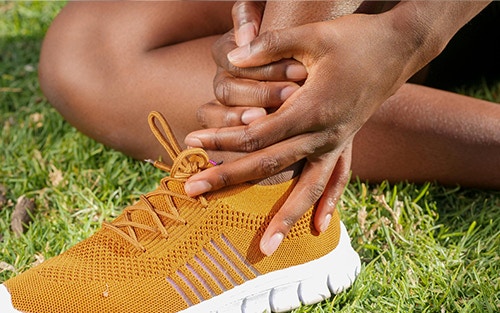
a person experiencing ankle pain

Addressing the underlying issues and adhering to medical advice can reduce ankle pain and improve mobility. Whether through conservative treatments or surgical interventions, miller’s orthopaedic sports medicine offers ways to find relief and enhance foot health.

Diabetes and Foot Health

Diabetes can significantly affect foot health, leading to various complications:

  • Diabetes impairs nerves and affects blood flow, which can lead to various foot problems.
  • Regular foot examinations are essential for individuals with diabetes to catch issues early.
  • A podiatrist can help manage foot health and prevent complications for those with diabetes.

Signs of infection, such as fever or changes in skin color around a foot wound, warrant urgent medical evaluation. A wound on the foot that is not healing properly, especially in individuals with diabetes, requires prompt medical attention. Managing foot health in diabetes involves regular check-ups and prompt treatment of any issues that arise.

Proactive steps and collaboration with healthcare professionals can help individuals with diabetes maintain better foot health and prevent serious complications. Regular monitoring and early intervention are key to managing foot health effectively.

When to Seek Medical Attention

Knowing when to seek medical attention for foot pain is crucial. Immediate medical care is necessary if you experience severe pain or swelling following an injury. Symptoms indicating the need to see a doctor for foot pain include significant injury with trouble bearing weight, bruising or swelling after 2-5 days, and worsening pain. Consult a healthcare provider if you cannot put weight on your foot or if pain persists after several weeks.

Recognizing these signs and seeking timely medical attention can help prevent further complications and promote healing. Understanding when to seek help for severe foot pain is an essential part of managing foot pain effectively.

Self-Care Tips for Foot Pain

Taking care of your feet is essential for preventing and managing foot pain. Key points to consider include:

  • Improper fit and lack of support in footwear can contribute significantly to foot pain.
  • Wearing well-fitting shoes that have good arch support can help prevent and alleviate foot discomfort.
  • Stretching and strengthening exercises can help treat foot pain and improve overall foot health.
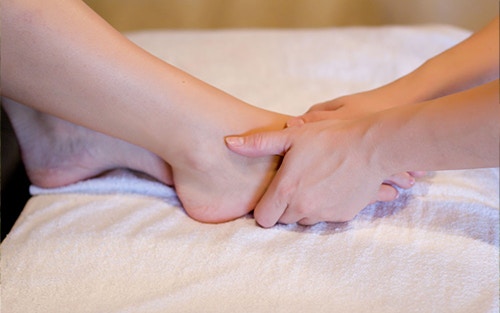
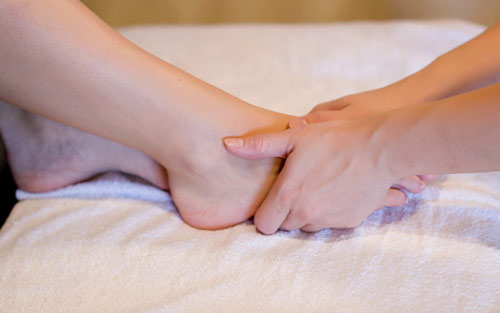
foot massage self-care for treating foot pain

A foot massage can help improve circulation and relieve pain. Incorporating these self-care tips, including hot and cold therapy, can help manage foot pain and maintain better foot health. Regular care and attention can make a significant difference in preventing and reducing foot pain.

Foot Pain Summary

Understanding foot pain is the first step towards effective treatment and management. From the anatomy of the foot to common causes and specific conditions, this guide has provided a comprehensive look at foot pain and its remedies. By addressing the underlying issues and adopting appropriate treatments, it’s possible to find relief and improve foot health.

Taking proactive steps, such as wearing proper footwear and seeking medical attention when needed, can make a significant difference. With the right knowledge and care, it’s possible to manage foot pain and maintain a healthy, active lifestyle.

Foot Pain Frequently Asked Questions

What are common causes of heel pain?

Common causes of heel pain include plantar fasciitis, heel spurs, strains, and injuries. Identifying the underlying cause is essential for effective treatment.

How can I treat arch pain caused by flat feet?

To effectively treat arch pain caused by flat feet, it is advisable to engage in stretching and strengthening exercises while utilizing orthotic shoe inserts for support. These measures can significantly alleviate discomfort and improve foot function.

What should I do if I have pain in the ball of my foot?

To effectively manage pain in the ball of your foot, it is crucial to wear proper cushioning footwear and address any underlying conditions, such as Morton’s neuroma or metatarsalgia.

When should I seek medical attention for foot pain?

You should seek medical attention for foot pain if you encounter severe pain, noticeable swelling, an inability to walk, or if the pain persists for several weeks. Addressing these symptoms promptly can help prevent further complications.

How does diabetes affect foot health?

Diabetes negatively impacts foot health by damaging nerves and reducing blood circulation, increasing the risk of complications. It is crucial for individuals with diabetes to have regular foot examinations and seek prompt treatment for any issues.

Foot Palace Massage Spa Athens

196 Alps Rd Ste 31, Athens,  GA 30606
(706) 521-5290

To view the original version on Foot Palace, visit: https://yourfootpalace.com/foot-pain-causes-and-solutions/

Tuesday, August 16, 2022

Why Do My Muscles Ache

Stop suffering and living in pain due to aching muscles. Knowing why your muscles ache will help you seek help before the muscle pain becomes crippling.

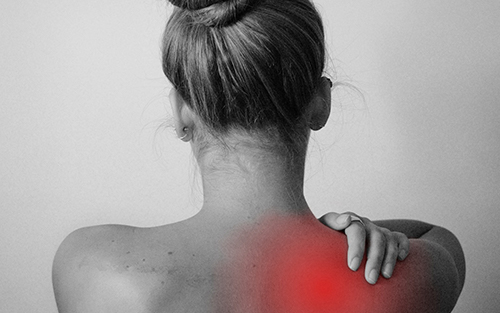
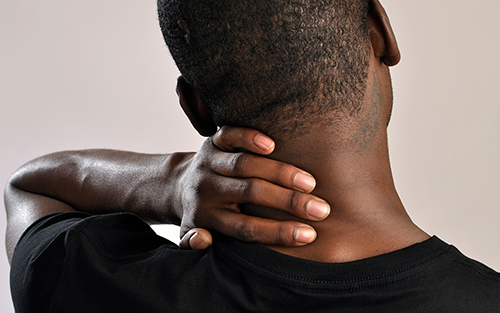
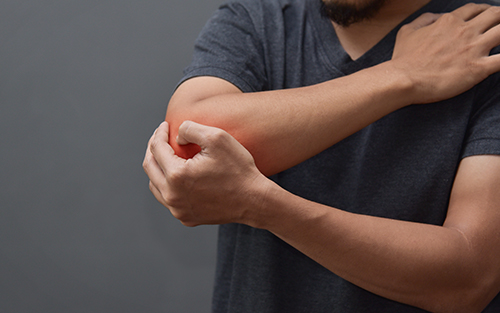
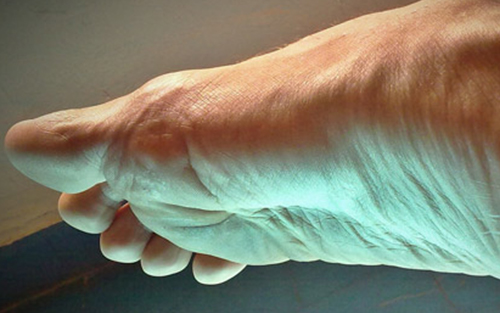
Muscle pain can occur anywhere in the body including the feet back elbows and neck

yourfootpalace.com gathered information on common reasons your muscles ache and how to make the pain and discomfort go away.

What is Muscle Pain

Muscle pain, or myalgia, is a sign, or result of an injury, infection, disease or other health problem. You may feel a deep, steady ache or random sharp pains. Some people can experience muscle pain all over, while others have it in specific areas. Everyone experiences and copes with muscle pain differently. Consider the following:

Back Pain (Dorsopathy)

Muscle pain can occur anywhere in the body including the back

Back pain can range from a single muscle aching to a severe shooting, burning, or stabbing sensation. The pain may radiate down your leg or worsen with bending, twisting, lifting, standing, or walking.

Potential Causes – Back pain can have causes that are not due to any underlying or preexisting disease or condition. Examples include overuse like working out or lifting too much, prolonged sitting, sleeping in an uncomfortable or cramped position, or wearing a poorly fitting backpack.
Treatment – Nonsteroidal anti-inflammatory drugs (NSAIDs), like ibuprofen (Advil, Motrin IB, and others) or naproxen sodium (Aleve), can help relieve back pain. Take these over-the-counter medications only when directed or prescribed by your doctor. Overuse can cause serious side effects.
When to Seek Help – If your back pain lasts more than two weeks and keeps you from participating in normal, routine activities, see your primary care physician. If your pain is severe, you should see your doctor sooner. You should seek urgent/emergency medical care if you have a fever or chest pains associated with your back pain.
Prevention – Combine exercise (walking or swimming) with specific exercises to keep your back and abdomen core muscles strong and flexible. Strengthening your core muscles will help support your spine and can help prevent back pain. Proper lifting techniques, good posture, and frequent massages can also help prevent back pain.

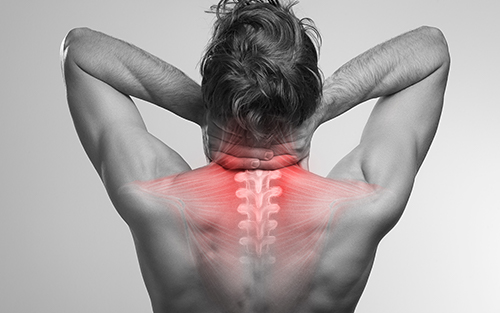
Neck Pain (Cervicalgia)

Muscle pain can occur anywhere in the body including the neck

People often describe this as having a stiff neck. Cervicalgia is any localized neck pain not radiating to other parts of the body. This is a common condition, as about two-thirds of all people will experience neck pain at some point in their lives.

Potential Causes – Common causes may include osteoarthritis, spinal stenosis, a herniated disc, a pinched nerve, mental and physical stress and strain, poor posture, tumors, poor sleeping position, and other health conditions.
Treatment – Alternating an ice pack with a heating pad several times for 30 minutes, gentle stretching, and massage can help relieve neck pain. Taking an over-the-counter pain medication like ibuprofen, acetaminophen, or naproxen may also help.
When to Seek Help – Seek immediate/emergency medical care if your neck pain is accompanied by numbness or weakness in your arms or hands or if you have shooting pain in your shoulders or down your arms.
Prevention – Get up and move around every half-hour. Prolonged sitting has been linked to worsening neck pain. When using your phone, a headset, earbuds, or speakerphone are excellent options to keep your head in a neutral position. And when reading a book, hold it, so you don’t have to lean down or forward to read it.

Elbow Pain (lateral epicondylitis)

Muscle pain can occur anywhere in the body including the elbow

Often called tennis elbow, this is a painful condition occurring when tendons in your elbow are overloaded or overextended, usually from repetitive wrist and arm motions. Despite the name, athletes aren’t the only people who can develop tennis elbow.

Potential Causes – A common cause of elbow pain is the inflammation of one or both of the elbow’s tendons. This is called tendonitis, and it often results from overuse. Repetitive movements from work, household chores, golf, or tennis can affect the muscles above and below the elbow and cause tendonitis.
Treatment – Applying an ice pack several times for 15 minutes, rest, compression, elevation, and massage can help relieve neck pain. Taking an over-the-counter pain medication like ibuprofen, acetaminophen, or naproxen may also help.
When to Seek Help – Seek emergency care if you detect a deformity or protruding bone in your elbow, and immediately call your doctor if you experience severe pain, trouble moving your elbow, turning your arm from palm up to palm down and vice versa, and swelling or bruising around the joint.
Prevention – Warm up properly and gently stretch your arm muscles before any physical activities or playing a sport involving repetitive arm movements. Avoid putting extra strain on your tendons.

Foot Pain (Plantar fasciitis)

Muscle pain can occur anywhere in the body including the feet

Plantar fasciitis (a common cause of heel and foot pain) is an inflammation of the fibrous tissue (plantar fascia) along the bottom of your foot, connecting your heel bone to your toes. This condition can cause intense, debilitating heel pain.

Potential Causes – Plantar fasciitis and foot pain, in general, can occur from arthritis, Injury, overuse, or conditions causing inflammation involving any of the bones, ligaments, or tendons in the foot.
Treatment – Rest your affected foot as much as possible, avoiding activities that worsen pain, and icing the affected area for up to 20 minutes multiple times daily may help relieve the pain. Taking an over-the-counter pain medication such as acetaminophen, ibuprofen, or naproxen may also help. Regular foot massages can also help accelerate your foot’s recovery.
When to Seek Help – Seek immediate medical care if you have an open wound or deformity, you experience severe pain or swelling, you can’t bear any weight on your foot, or it is showing signs of infection, like redness or fever.
Prevention – Most foot pain can be prevented by maintaining a healthy weight, avoiding high-heel shoes, wearing shoes that fit, getting regular foot massages and pedicures, and keeping yourself well-hydrated.

Preventing, treating, and relieving plantar fasciitis pain is possible, so follow the above info and end your discomfort and nagging pain.

Muscle Pain

In this article, you discovered essential information about common reasons you may experience muscle pain, how to treat it, and when to seek medical attention.

Knowing what to do when you have muscle pain will help you recover more quickly and return to your normal activities.

Ignoring your muscle pain can lead to severe injuries, immobility, and even hospitalization if left undiagnosed and untreated.

Disclaimer: No content on this publication, page, or site, regardless of date or topic, should ever be used as a substitute for direct medical advice from your primary care physician or other qualified clinician.

Sources:
my.clevelandclinic.org/health/symptoms/17669-muscle-pain
mayoclinic.org/diseases-conditions/back-pain/symptoms-causes/syc-20369906
health.harvard.edu/pain/3-tips-to-prevent-neck-pain
hopkinsmedicine.org/health/conditions-and-diseases/foot-pain-and-problems

Foot Palace Massage Spa Athens
196 Alps Rd Ste 31, Athens,  GA 30606
(706) 521-5290

Foot Palace Massage Spa Braselton
2095 Highway 211 NW Suite 7B, Braselton, GA 30517
(678) 963-5958

To view the original version on Foot Palace, visit: https://yourfootpalace.com/why-do-my-muscles-ache/

Wednesday, June 23, 2021

7 Most Common Foot Problems – Causes, Treatments, and Prevention

Prevent foot pain and agony from stealing your mobility and wellness. Knowing what causes common foot problems and how to deal with them will help you continue a healthy and productive life.

Causes and treatments of common foot problems

yourfootpalace.com gathered the following information about 7 significant and common foot problems, what causes them, how to treat them, and how to prevent them.

7 Common Foot Problems

The following 7 foot problems are common and easily treatable when addressed in their earliest stages.

Plantar Fasciitis

Common foot problems plantar fasciitis

Plantar fasciitis is the inflammation of the plantar fascia (the tough tissue stretching from the heel bone to the base of the toes.

Causes – Plantar fasciitis is most commonly caused by repetitive strain injury to the plantar fascia. This strain injury can occur from excessive running or walking, inadequately fitted footgear, and jumping injury from strained landings.

Symptoms – Plantar fasciitis will typically cause stabbing pain in the bottom of your foot (usually near the heel). The pain is usually at its most acute with the first few steps after awakening; the condition can also be triggered by standing for long periods or getting up after sitting.

Treatment – Most plantar fasciitis treatment plans include resting, icing the painful area, and stretching. More severe cases may require medication, orthotics, and even surgery.

Recovery Time – 6 to 12 months (or more) with continuous care and treatment.

Prevention – Use exercises and stretches designed to prevent plantar fasciitis daily.

Read more on plantar fasciitis.

Neuropathy (Peripheral Neuropathy)

Common foot problems peripheral neuropathy

Peripheral neuropathy is often the result of damage to nerves outside of the brain and spinal cord (peripheral nerves)

Causes – Neuropathy can result from physical injury, infection, exposure to toxic substances, or conditions like diabetes, kidney failure, or malnutrition.

Symptoms – Peripheral neuropathy is a nerve problem that causes pain, numbness, tingling, swelling, or severe muscle weakness in different parts of the body (usually the extremities). This condition typically begins in the hands or feet and spreads, getting worse with time.

Treatment – Depending on the cause of your neuropathy, you may be prescribed a multi-faceted treatment approach, including:

  • Physical Therapy
  • Topical Treatments
  • Pain Relievers
  • Anti-seizure Medications
  • Antidepressants
  • Surgery

Neuropathy-related nerve pain may be relieved by medications like gabapentin (Gralise, Neurontin, Horizant) and pregabalin (Lyrica).

Note: In many cases, your doctor may recommend waiting to see if your neuropathy conditions improve before considering any treatments.

Recovery Time – If neuropathy symptoms diminish, the process will be gradual, requiring several months.

Prevention – While peripheral neuropathy may be caused by factors beyond your control, you can significantly reduce your risk for this condition by avoiding alcohol, correcting vitamin deficiencies, consuming a healthy diet, maintaining your weight and BMI below risk factors, avoiding toxins, and exercising regularly.

Learn more about peripheral neuropathy.

Metatarsalgia

Common foot problems metatarsalgia

Metatarsalgia is a very common overuse condition affecting either or both feet in which the ball of your foot (the area between the arches and toes) becomes inflamed and painful.

Causes – Being a frequent runner, wearing poorly fitting shoes or high heels, and excess weight can lead to metatarsalgia. If you have rheumatoid arthritis, osteoarthritis, or gout, these conditions can exacerbate metatarsalgia.

Symptoms – Metatarsalgia symptoms are usually localized in or around the ball of your foot and can include:

  • Aching and/or burning pain in the ball of your foot
  • Sharp, shooting pain in your toes
  • Numbness or tingling in your toes
  • Intensifying pain when walking, running, or exercising then eases when at rest
  • Ongoing sensation of a pebble under your foot – in your shoe

The main symptom associated with metatarsalgia is a sharp, dull, or burning pain at the end of one or more of the metatarsal bones. metatarsalgia does not usually occur suddenly. Rather it builds up over several months.

Treatment – Metatarsalgia treatment is typically determined by analyzing the cause and severity of the condition and your pain. Many times, treatment for mild to moderate symptoms include the following conservative measures:

  • Staying off/Resting your feet
  • Changing your footwear
  • Using orthotic sole inserts
  • Using arch supports

When these measures fail to relieve your discomfort, consider the following:

  • Ice your foot multiple times per day
  • If you are overweight, lose weight
  • Use an over-the-counter pain reliever/anti-inflammatory (discuss the benefits and potential side-effects with your doctor before taking any medication)
  • Elevate your foot (above your waist) after activity

You may need to modify some of your activities:

  • Avoid wearing shoes with high-heels
  • Take a break from high-impact sports
  • Exclude high-impact activities and include low-impact activities like swimming and cycling
  • Make time for frequent relaxing spa days

Tip: A reflexology massage may relieve foot pain and discomfort, as it focuses on the foot’s pressure points.

Recovery Time – Depending on the severity of the condition, it may take 6-8 weeks for the condition to improve and multiple months for it to completely heal.

Prevention – Protect your feet from undue stress and hard or repeated impacts.

  • Maintain healthy body weight
  • Use shoe inserts
  • Use custom made orthotics

Read more about metatarsalgia.

Athlete’s Foot

Common problemsof feet athletes foot

Athlete’s foot or tinea pedis is a skin and foot infection that can be caused by a variety of different fungi. Although tinea pedis can affect any portion of the foot, the infection most often affects the space between the toes.

Causes – Tinea pedis spreads through contact with infected skin scales or contact with fungi in damp areas like showers, locker rooms, swimming pools, etc. Tinea pedis can be a chronic infection that recurs frequently.

Symptoms – Athlete’s foot is typically identified by skin fissures or scales that can be red and itchy.

Treatment – Treatment may include topical creams and powders applied to the skin surface or oral medications.

Recovery Time – It can take 6 months or more to see improvements in conditions, and depending on your diligence in control measures, it may take one year or more to fully eradicate this condition from your home and clothing.

Prevention – dermatologists recommend that you take the following precautions to prevent contracting athlete’s foot:

  • Wear shower shoes, flip-flops, or sandals when walking around pools, gyms, shower or locker areas, and hotel rooms
  • Even if you have not gone barefoot in public areas, keep your feet dry
  • Wash your feet every day with soap and completely dry them afterward
  • Wear socks made of fabrics that dry quickly or wick moisture away from the skin, and be sure to change your socks every day
  • Alternate the shoes you wear daily, if possible, to make sure shoes are dry when they are put on
  • If you live with someone who has athlete’s foot, don’t share towels, linens, socks, or shoes
  • Wear shoes when in areas where infected feet have been
  • If your athlete’s foot is not improving or is worsening, see a board-certified dermatologist

Read more about athlete’s foot.

Heel Spurs

Common foot problems heel spurs

Also known as calcaneal spurs or osteophytes, a heel spur is a bony outgrowth calcium deposit that usually occurs on the underside of a person’s foot.

Causes – Heel spurs occur when calcium deposits build up on the underside of the heel bone. This process usually occurs over many months. Heel spurs are often caused by strains on foot muscles and ligaments, continuous stretching of the plantar fascia, and repeated tearing or injuring of the membrane that envelopes the heel bone.

Symptoms – Heel spurs often cause no symptoms. However, heel spurs can cause intermittent or chronic pain while walking, jogging, or running. The cause of the pain is not the heel spur but the soft tissue injured from it.

Some describe heel spurs and associated plantar fasciitis as a knife or pin jabbing into the bottom of their feet when first standing up in the morning that fades into a dull ache. That sharp pain usually returns after standing up after sitting for a prolonged time.

Treatment – Heel spurs are treated by measures intended to decrease the associated inflammation while avoiding reinjury.

  • Local ice applications both reduce pain and inflammation
  • Anti-inflammatory medications, such as naproxen (Aleve) and ibuprofen (Advil), or injections of cortisone, are often helpful
  • Orthotic devices or shoe inserts can take pressure off plantar spurs (donut-shaped insert)
  • Heel lifts can reduce stress on the Achilles tendon to relieve painful bone spurs at the back of the heel

Tip: Sports or running shoes with soft, cushioned soles can be helpful in reducing irritation and discomfort of inflamed tissues from heel spurs.

Surgery may be performed on chronically inflamed spurs as a last resort.

Recovery Time – Healing can take a few weeks to several months, depending on the severity of the spur and how it is treated.

Note: Overweight patients or those who procrastinate seeing a doctor for a diagnosis are likely to suffer longer and are highly likely to have the pain come back.

Prevention – prevent heel spurs by wearing well-fitting shoes with rigid shanks and supportive heel counters. Warming up and stretching your feet before physical activity.

Claw Toe

Common foot problems claw toe

Claw toes, as the name implies, are toes bent into an abnormal claw-like shape. This condition is also called mallet or hammertoe. The condition usually occurs in the four smaller toes of your foot in the middle and end joints.

Causes – Most of the time, an imbalance of foot muscles causes claw toes. Specifically, toe muscles will contract too far, tighten the tendons, and bend the joints. Foot muscles can become unbalanced due to the following:

  • Genetics
  • Poorly-fitting shoes
  • Polio
  • Cerebral palsy
  • Diabetic nerve damage
  • Rheumatoid arthritis
  • Osteoarthritis
  • Nerve damage caused by alcoholism
  • Charcot-Marie-Tooth Disease
  • Spinal cord tumors
  • Stroke (the stroke-side foot is affected)
  • Physical trauma

Symptoms – Claw toe symptoms occur beyond the toes and can include:

  • Pain
  • Swelling
  • Corns
  • Calluses
  • Blisters

Note: Ulcers are a rare symptom, but they do occur.

Treatment – There are both nonsurgical and surgical treatments for claw toes. Most of them you can do at home. Nonsurgical treatments for claw toes include:

  • Wear pads, arch supports, or other shoe inserts to cushion the toe
  • Wear shoes with larger toe boxes, low heels, and good arch support
  • Wear shoes with increased width and depth, with soft soles and minimal seams in the toebox
  • Strengthen and stretch toe muscles through focused exercises
  • Use a splint or tape to hold your toes where they should sit
  • Avoid high heels
  • Avoid tight shoes

The severity of your claw toes will determine what type of surgery you’ll require. Your healthcare provider will categorize your claw toe as early or late stage, either flexible or rigid. Surgical treatments for claw toes include:

  • Temporarily inserting a steel pin to hold the toe in the correct position until healing occurs
  • Tendon lengthening and/or rerouting
  • Shortening the bones of the phalanx
  • Toe fusion

Recovery Time – For surgical treatments, you’ll need a minimum of 12 to 18 weeks of recovery time.

Prevention – Wear shoes that do not constrict your toes. Use exercises like extending, then curling the toes, splaying the toes, and moving the toes individually may help prevent the digital contracture that causes claw toe. Such exercises work to keep foot muscles strong and pliable.

Bunions

Common foot problems bunions

A bunion (hallux valgus) is a bony bump that forms on the joint at the base of the big toe.

Causes – Foot pressure caused by the way you walk or the shape of your foot causes your big toe to abnormally bend in toward the second toe. Bunions are gradually occurring.

Standing for long periods and wearing poorly-fitting, narrow shoes can exacerbate bunion pain but do not cause the problem.

Symptoms – A bunion will cause your big toe to bend inward, turn red and become swollen. Other symptoms include:

  • Claw toes (see above)
  • Numbness in the big toe
  • Trouble bending the big toe, or pain and burning when trying to bend it
  • Difficulty wearing regular or narrow shoes
  • Corns or calluses (thickened skin)

Tip: Many times, foot problems or disorders are actually symptoms of larger, more complicated conditions.

Treatment – Bunions don’t just go away. Treatment likely will focus on relieving symptoms and may include the following:

  • Orthotic devices: Over-the-counter or custom-made shoe inserts can help control toe alignment issues that may be contributing to bunion formation. You can also place a spacer between the big and second toe. Some people find relief by wearing a splint overnight to keep the big toe straight.
  • Footwear changes: Switching to shoes with wide, deep toe boxes can take pressure off of your toes.
  • Bunion pads and taping: Store-bought bunion pads can cushion the affected area and ease the pain. You can also use medical tape to keep the foot in the correct position.
  • Pain relievers: Nonsteroidal anti-inflammatory drugs (NSAIDs) can be combined with ice packs to help manage pain and swelling.
  • Therapy: Massage, physical therapy, and ultrasound therapy can break up soft-tissue adhesions, reducing pain and inflammation. There are exercises that can help improve muscle strength around the bunion and can improve alignment.
  • Injections: Steroid injections can reduce pain and swelling but may also cause damage if used too often or injected into the joint itself. This is typically a later stage bunion treatment when trying to avoid surgery.
  • Surgery: When nonsurgical treatments show little to no improvement and walking becomes extremely painful, your primary care physician/provider may recommend surgery. This surgery is referred to as a bunionectomy and removes the bunion while realigning bones to bring the big toe back into the correct position.

Recovery Time – For surgical treatments, you’ll need a minimum of 12 to 18 weeks of recovery time.

Prevention – The following can help you prevent painful bunions:

  • Note the shape of your feet as they age, especially if bunions run in your family
  • Exercise the feet to strengthen them
  • Only wear shoes that fit properly and avoid cramping or pinching your toes
  • Avoid shoes with high heels or pointed toes

Tip: Treat your feet to frequent spa days. Regular foot massages can help you detect and take early measures to avoid more serious conditions from developing.

Foot Problems

In this article, you discovered 7 of the most common and significant foot problems, their causes, how to treat them, and what you can do to prevent them.

Knowing what to do when foot problems occur can save you from developing more severe conditions that can last for years and cause significant pain.

Ignoring foot conditions and not taking action can leave you debilitated, and often requiring avoidable surgeries and extended periods of recovery time.

Sources:
mayoclinic.org/diseases-conditions/plantar-fasciitis/diagnosis-treatment/drc-20354851
my.clevelandclinic.org/health/diseases/15890-metatarsalgia
orthoinfo.aaos.org/en/diseases–conditions/plantar-fasciitis-and-bone-spurs
cdc.gov/healthywater/hygiene/disease/athletes_foot.html
health.harvard.edu/diseases-and-conditions/what-to-do-about-bunions
ipfh.org/foot-conditions/foot-conditions-a-z/metatarsalgia/prevention-and-treatment-of-metatarsalgia

Foot Palace Massage Spa Athens
196 Alps Rd Ste 31, Athens,  GA 30606
(706) 521-5290

Foot Palace Massage Spa Braselton
2095 Highway 211 NW Suite 7B, Braselton, GA 30517
(678) 963-5958

To view the original version on Foot Palace, visit: https://www.yourfootpalace.com/7-most-common-foot-problems-causes-treatments-prevention/

Tuesday, May 25, 2021

Metatarsalgia Causes, Symptoms, Diagnosis, and Treatment

Prevent excruciating Metatarsalgia foot pain from robbing you of mobility and the ability to be active. Knowing how to treat metatarsalgia and properly support your foot will help you get back to walking pain-free.

Metatarsalgia diagnosis and treatment often depend on xray images

yourfootpalace.com gathered the following information about the causes, symptoms, diagnosis, and treatment of metatarsalgia.

What Is Metatarsalgia?

Named for the five metatarsal bones in the midsection of your feet connecting to the toes, metatarsalgia (met-uh-tahr-SAL-juh) is a common overuse condition affecting either or both feet in which the ball of your foot (the area between the arches and toes) becomes inflamed and painful.

What Causes Metatarsalgia?

You might develop this condition if you participate in intense athletic activities involving running and jumping. Metatarsalgia can also result from any or a combination of the following conditions:

Foot Deformities – Wearing shoes or heels that force your feet into awkward or unnatural positions.

Arthritis – Inflammatory arthritis like rheumatoid arthritis or gout can cause you to develop metatarsalgia.

Injuries – Any injury causing you to change your gait or shift your weight on either or both feet for a prolonged time.

Impacts – Impacts that cause bruising or swelling in the foot, particularly near the metatarsal bones.

Stress Fractures – Small breaks in the metatarsal or toe bones can severely alter how you apply weight to your feet.

Misalignment of One or More Toes – Can cause friction and irritation to the metatarsal bones.

Poorly Fitting Shoes – High heel shoes pose a challenge for the feet as they transfer extra weight to the front of the foot. Tight dress shoes (especially those with a narrow toe box) or athletic shoes without sufficient support or padding can quickly exacerbate this condition.

Metatarsalgia can be caused from poorly sized or shaped shoes or exercises

Excess Weight – Carrying extra weight means more pressure on your metatarsal bones when you move. Weight loss can minimize, if not eliminate, your metatarsalgia symptoms.

Morton’s Neuroma – This condition is the growth of fibrous tissue around a nerve, typically occurring between the third and fourth metatarsal heads; symptoms may feel strikingly similar to metatarsalgia but contribute to metatarsal stress/pressure.

What Are The Symptoms of Metatarsalgia?

Symptoms of Metatarsalgia are typically localized in or around the ball of your foot (the part of the sole behind the toes) and can include:

  • Aching or burning pain in the ball of the foot
  • Sharp or shooting pain in your toes
  • Numbness or tingling sensations in your toes
  • Pain that intensifies when walking, running, or exercising – and eases when resting
  • Constant sensation of having a pebble under your foot – in your shoe

Note: The principal symptom associated with metatarsalgia is a sharp, dull, or burning pain at the end of one or more of the metatarsal bones. metatarsalgia is not usually a “sudden pain.” Rather a buildup over several months.

Metatarsalgia can cause an accumulating pain over time

How Is Metatarsalgia Diagnosed?

Many foot injuries, disorders, and pain can resemble the symptoms of metatarsalgia. If your pain continues after resting your feet and/or changing your footwear, it’s time to see your doctor. To help diagnose what is happening in your foot, your doctor may:

  • Physically examine your foot
  • Ask you to walk (to observe your gait)
  • Ask you questions about your activities and when the pain started
  • Take X-rays to rule out stress fractures
  • Take an ultrasound to identify bursitis, neuromas, and other soft tissue problems
  • Perform an MRI looking for signs of arthritis or other injuries
  • Take blood, testing for uric acid

Many tests are taken or performed to identify contributors to metatarsalgia or rule out other conditions, allowing your doctor to accurately prescribe treatments.

When attempting to diagnose your condition, you may be referred from your primary care physician or general practitioner to a bone specialist (orthopedist) or a foot specialist (podiatrist).

How Is Metatarsalgia Treated?

Metatarsalgia treatment is typically determined by the cause and severity of the condition and your pain. Many times, treatment for mild to moderate symptoms will include conservative measures like:

  • Staying off/Resting your feet
  • Changing your footwear
  • Use an orthotic sole insert
  • Use an arch support

When these measures fail to relieve your discomfort or pain, the following may ease your pain:

  • Ice your foot for 20 minutes multiple times per day
  • If you are overweight, lose weight
  • Use an over-the-counter pain reliever/anti-inflammatory (discuss the benefits and potential side-effects with your doctor before taking any medication)
  • Elevate your foot (above your waist) after activity

You may need to modify some of your activities like:

  • Avoid wearing shoes with high-heels
  • Take a break from high-impact sports
  • Change your exercise routine to exclude high-impact activities and include low-impact activities like swimming and cycling
  • Carve out the time for frequent relaxing spa days

Tip: A reflexology massage may relieve foot pain and discomfort, as it focuses on the foot’s pressure points.

Metatarsalgia can be helped with treatments including physical therapy and reflexology massage

When these measures fall short of relieving your pain, your doctor may recommend the following:

  • Work with a physical therapist who can give you a regimen of range-of-motion exercises and exercises to strengthen surrounding foot muscles. The therapist can also help you correct your gait.
  • Work with an occupational therapist who may fit you with customized orthotics, like a metatarsal pad or arch support.

When conservative treatment measures fail, your doctor may recommend surgery to realign your metatarsal bones.

Note: Leaving this condition untreated may result in your altering your gait. Such an alteration in your gait, even in the slightest, may lead to hip, leg, and lower back problems.

Treating Metatarsalgia

In this article, you discovered information about the many causes, symptoms, how to diagnose, and treatment options of metatarsalgia.

Taking action to diagnose and treat your metatarsalgia will help you recover your wellbeing and pain-free mobility.

Ignoring metatarsalgia can quickly lead to problems in your legs, hips, and lower back, resulting in astronomical medical fees when compared to getting the original problem addressed.

Sources:

my.clevelandclinic.org/health/diseases/15890-metatarsalgia
mayoclinic.org/diseases-conditions/metatarsalgia/symptoms-causes/syc-20354790
syracusepodiatry.org/2015/11/metatarsalgia-a-pain-in-the-ball-of-the-foot/

Foot Palace Massage Spa Athens
196 Alps Rd Ste 31, Athens,  GA 30606
(706) 521-5290

Foot Palace Massage Spa Braselton
2095 Highway 211 NW Suite 7B, Braselton, GA 30517
(678) 963-5958

To view the original version on Foot Palace, visit: https://www.yourfootpalace.com/metatarsalgia-causes-symptoms-diagnosis-treatment/

Wednesday, September 16, 2020

Is It OK to Walk on a Sprained Ankle

Prevent prolonged pain and suffering from your sprained ankle. By understanding how your sprained ankle needs to heal, you can be walking again in no time.

Sprained ankle with bruising requiring rest ice compression and elevation

yourfootpalace.com gathered information on when you can walk on a sprained ankle, what a sprained ankle is, how to treat it, and when to seek medical attention.

Can You Walk on a Sprained Ankle

No. This is not an injury that you can “walk off.” After spraining your ankle, it will need time to recover before putting any weight on it. Trying to force a speedy recovery by walking, running, or working out too soon may further aggravate the damage done to your ankle in the first place.

The bones, muscles, and ligaments comprising the foot and ankle are significantly stronger and more reinforced than those in other parts of the body. When they are injured, a significant period of immobility may be required to fully recover.

As your ankle recovers from such an injury, weight can gradually be applied to it. Initially, walking should be aided by a support system like a cane or crutches.

Sprained Ankle Treatment

After sustaining a sprained ankle, your first objective is to decrease the pain and discomfort while protecting the ankle’s ligaments from further injury. Adopting the classic R.I.C.E. regimen of treatment for the first 24 to 48 hours can help:

Rest – Rest your ankle as much as possible.
Ice – Apply ice packs or submerge your foot and ankle in cold water.
Compression – Use an elastic ankle sleeve or an elasticized wrap to help reduce swelling.
Elevation – Elevate your ankle to the height of your hip when in a seated position.

Sprained ankle with compression wrap

Watch this video to see the RICE method for injuries.

Tip: Avoid hot showers, heat rubs, or hot packs, as this may increase swelling and prolong your recovery time.

Generally, within 72 hours, you can begin stretching and range-of-motion exercises. You should continue these exercises until your ankle has recovered to the point of pre-injury conditions.

Watch this video to see stretching and range-of-motion exercises.

Tip: A series of reflexology massages may significantly accelerate your recovery from a sprained ankle.

Note: Remaining immobile for extended periods without initiating some sort of exercise or rehabilitation regimen can lead to further complications or delays in your recovery.

How Long Does a Sprained Ankle Stay Swollen

Two weeks to six months. However, recovery time for a sprained ankle will vary from case to case, requiring different care and recovery approaches. This recovery time can change a lot based on:

  • Your fitness level
  • Your age
  • How bad (grade) the sprain is
  • How the sprain occurred
  • How much time passed before seeking treatment

As an example, recovery time for a grade one sprain is two weeks to a month. A grade two sprain can take from six to eight weeks. Finally, a grade three sprain may take anywhere from three to six months for recovery.

Note: After a sprained ankle heals, symptoms of arthritis and/or plantar fasciitis may occur. If these symptoms arise, seek medical attention to diagnose and treat these conditions.

Read more about relieving plantar fasciitis at yourfootpalace.com/how-foot-massage-can-relieve-your-plantar-fasciitis-pain/

What is a Sprained ankle

The injury known as a sprained ankle occurs when you twist, roll, or turn your ankle in an extended or abnormal way. This action stretches or tears the bands of tissue or ligaments that work to hold your ankle bones in place. The following activities are common causes of a sprained ankle:

  • Awkwardly landing on your foot after pivoting or jumping
  • Walking, running, or hiking on uneven surfaces
  • A trip or fall causing your ankle to twist
  • Another person sliding, stepping, or landing on your foot or ankle during a sports activity

Ligaments aid in the stabilization of joints, preventing extensive bone/joint movement. You sprain your ankle when those ligaments are forced, in a direction, beyond their normal range. The majority of sprained ankles include ligament injuries to the outer extremity of the ankle. The following symptoms indicate that you have sprained your ankle:

  • Pain (sharp pain when trying to bear weight on the injured foot)
  • Restricted mobility (reduced range of motion)
  • Tenderness or sensitivity to the touch
  • Instability (weakness in the affected ankle)
  • Swelling
  • Bruising

Watch this video from the Mayo Clinic, defining what an ankle sprain is.

These symptoms vary in intensity depending on the severity of your sprain. The following are grades of an ankle sprain:

Grade 1 – This injury includes minimal stretching with no ligament tearing. You will experience mild pain, swelling, and tenderness. Grade 1 sprains usually have no bruising, no joint instability, and no difficulty bearing your weight.

Grade 2 – This injury includes a partial tear. You will experience moderate pain, swelling, likely bruising, and tenderness. Grade 2 sprains usually have mild to moderate joint instability, loss of range of motion and function, and pain when bearing weight and/or walking.

Grade 3 – This injury includes a full ligament tear or rupture. You will experience severe pain, swelling, tenderness, and bruising. You will also have to endure considerable instability, loss of function, and limited range of motion. You will be unable to bear any weight or walk.

When Should I Seek Medical Attention for a Sprained Ankle

You should seek immediate medical attention if you experience the following:

  • You have prolonged severe pain or swelling
  • You have an open wound in the injury site
  • Your foot or ankle look deformed after being injured
  • There are signs of infection (redness, warmth, or tenderness)
  • You have a fever of 100°F or greater
  • You cannot put any weight on your foot at all

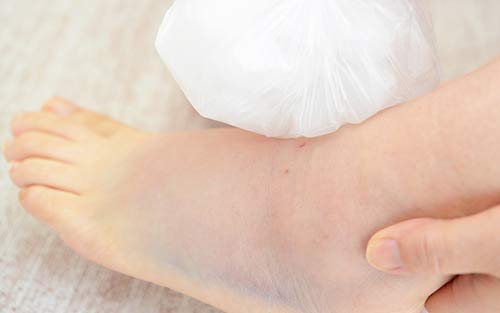
Swollen sprained ankle requiring medical attention

These symptoms indicate a possible bone fracture or secondary problem that should be quickly diagnosed and treated.

Tip: You may be asked to start a regimen of medication to manage your pain. Provide your doctor or care physician with a list of all medication (including over-the-counter medication) that you have been prescribed or taking prior to your injury.

Sprained Ankle

In this article, you discovered when you can walk on a sprained ankle, what a sprained ankle is, treatment, and when to see your doctor.

By knowing how to treat and how long recovery time lasts for a sprained ankle, you can minimize your discomfort and quickly regain your mobility after spraining your ankle.

Ignoring the need to relax and let your ankle properly heal can prolong your discomfort and severe medical or physical complications.

Sources:
orthopedicassociates.org/sprained-ankle-recovery-time/
mayoclinic.org/diseases-conditions/sprained-ankle/symptoms-causes/syc-20353225
health.harvard.edu/pain/recovering_from_an_ankle_sprain
uofmhealth.org/health-library/te7557#te7593

Foot Palace Massage Spa Athens
1720 Epps Bridge Pkwy Ste 106, Athens,  GA 30606
(706) 521-5290

Foot Palace Massage Spa Braselton
2095 Highway 211 NW Suite 7B, Braselton, GA 30517
(678) 963-5958

To view the original version on Foot Palace, visit: https://www.yourfootpalace.com/is-it-ok-to-walk-on-a-sprained-ankle/

Monday, August 17, 2020

Stiff Feet in the Morning and After Sitting

Prevent your foot stiffness from slowing you down and causing significant discomfort. By knowing why your feet uncomfortably stiffen up, you can take steps to keep them limber and pain-free.

Foot stiffness and pain in the morning

yourfootpalace.com gathered information about why your feet get stiff after sleeping or sitting for extended periods, and what you can do to ease this discomfort.

Why Do My Feet Hurt in the Morning?

When your feet hurt in the morning or after sitting for long periods, it is a sign that something has gone awry. If that pain is frequent, excruciating, and leaving you debilitated, seek medical attention immediately. Otherwise, here are several possible reasons for your foot stiffness:

1 – Plantar Fasciitis

Foot stiffness after sitting and in the morning is a common symptom of plantar fasciitis. The plantar fascia is a thick ligament on the bottom of your foot, running from the heel to the ball. This condition occurs when that ligament becomes irritated.

Plantar fasciitis is common for athletes, specifically runners. Wearing proper footwear and replacing your shoes every 400 to 500 miles can help prevent overuse pain. Other contributing factors are flat feet, rapid weight gain, and obesity.

If your discomfort is due to plantar fasciitis, it will usually take a few minutes of activity to warm up the area and relieve the pain.

Read more about plantar fasciitis pain relief at yourfootpalace.com/how-foot-massage-can-relieve-your-plantar-fasciitis-pain/

2 – Plantar Fascia Rupture

This excruciatingly painful condition can lead to stiffness during and long after the healing process. While rare, this condition can occur during high impact exercises or in those with chronic plantar fasciitis.

Treatment and recovery for a ruptured plantar fascia may include partial or complete immobilization of the foot, with normal standing or walking being possible within a few weeks.

3 – Plantar Warts (Verruca Plantaris)

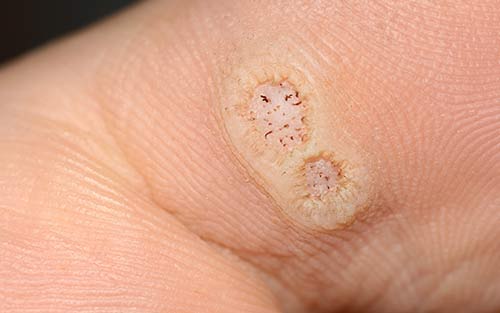
Plantar warts can cause significant discomfort and are caused by a virus that specifically infects superficial layers of skin. When it occurs on the bottom of the foot, the virus will grow within the layer of skin (not protruding like other warts).

Plantar warts caused by a virus verruca plantaris and causing foot discomfort

This is a virus, and there’s no oral medication to stop its occurrence. The virus must be treated at the infection site. Treatment may include topical acid preparations, freezing, injectable medications, and/or removal.

Plantar wart removal can be done in many ways, utilizing cautery agents, and/or laser removal techniques. However, whichever way your wart is removed, it can reoccur and spread.

Prevent plantar warts through good foot hygiene, limiting barefoot exposure outside, and disinfecting bathroom floors and shower basins.

4 – Rheumatoid Arthritis (RA)

Those with rheumatoid arthritis are at increased risk of developing plantar fasciitis, resulting in stiff feet in the morning or after long periods sitting (see #1 above).

Rheumatoid arthritis causes discomfort and pain leading to plantar fasciitis

Rheumatoid arthritis typically causes accompanying symptoms like inflammation, swelling, and pain in the wrists and hands, as well as the feet.

If you suspect rheumatoid arthritis is causing your discomfort, you may want to consult a rheumatologist. Rheumatologists are specialists that deal with arthritis and diseases involving bones, muscles, and joints.

5 – Achilles Tendinitis

The Achilles tendon is a band of tissues connecting the calf muscle to the heel bone. When this tendon becomes inflamed, it can result in Achilles tendinitis or stiffness and pain in the heel. Symptoms can be worse in the morning due to limited circulation while at rest.

If you have Achilles tendinitis, pain or discomfort may be felt throughout the day as well. Consult your primary care physician for advice on pain relief or seek a physiatrist (a doctor specializing in sports medicine or physical and rehabilitative medicine).

6 – Hypothyroidism

This condition results in the disruption of chemical and hormone balance in the body. Subsequently, this hypothyroidism can lead to inflammation, swelling, and discomfort in the feet, ankles, and heels.

Other symptoms of this condition include muscle weakness, depression, constipation, memory loss, among others. If you suspect you are dealing with hypothyroidism, consult your primary care physician for diagnosis and treatment.

Read more about hypothyroidism at thyroid.org/hypothyroidism/

7 – Bursitis

Bursas are fluid-filled sacs cushioning bones, tendons, and muscles near large joints in the body. They’re found in the hips, shoulders, elbow, and places like the heel and big toe of the foot.

Bursas in the foot can become inflamed due to excessive repetitive motion like walking, running, or jumping. Other causes of bursitis include injury or trauma to the affected area, inflammatory arthritis such as rheumatoid arthritis, gout, and infection.

Treatment typically involves resting the area and protecting it from further trauma. In most cases, bursitis pain and discomfort goes away within a few weeks with proper treatment. Recurrent flare-ups of bursitis are common.

Consult your doctor if you are experiencing disabling joint pain or an inability to move a joint, especially if symptoms are accompanied by a fever. A fever is a strong indication of infection.

8 – Parkinson’s Disease

Parkinson’s disease can cause muscle stiffness, discomfort, and significant difficulties initiating movement, including walking, speaking, and writing. The condition is accompanied by tremors, which may not be noticeable in its beginning phases.

If you are experiencing problems with coordinated body movement, involuntary body movements, evening time confusion, and dizziness, you should consult your primary care physician. However, if Parkinson’s is suspected, you will likely be referred to a movement disorder specialist – a neurologist with training to detect conditions like Parkinson’s.

For more information about Parkinson’s disease, visit yourfootpalace.com/parkinsons-disease-symptoms-diagnosis-stages-treatment/

9 – Stress Fracture

Stress fractures in your foot (usually the heel) can cause stiffness and increasing discomfort over time if not treated. Stress fractures are typically the result of intense athletic activity, overuse, change in surface, improper shoes, or poor technique.

A stress fracture might go unnoticed when it occurs, but pain and swelling can develop over days or weeks and eventually leave you in pain throughout the day with difficulties walking.

Foot stress fractures sometimes go unnoticed until pain and swelling occur

Stress fractures usually heal on their own with reduced physical activity and protective footwear. If you suspect you have sustained a stress fracture, consult your doctor as soon as possible for diagnosis and treatment.

10 – Neuropathy

Stiff feet in the morning can result from problems in the nervous system and signal sense of the brain (neuropathic ideology). Among other diseases, diabetes, multiple sclerosis, and vascular problems can contribute to this condition.

Neuropathy pain is described as a burning sensation. Affected areas can be sensitive to the touch. Common symptoms of neuropathic pain may include intolerable pain, pins and needles, difficulty sensing temperatures, and numbness.

If you suspect neuropathy is causing stiffness in your feet, consult a podiatrist, your family physician, or a neurologist for an accurate diagnosis and treatment plan.

Read more about neuropathy pain and relief at yourfootpalace.com/how-massage-relieve-your-peripheral-neuropathy-pain/

Treatment for Stiff Feet

Besides buying better-fitting shoes, the following forms of treatment can help ease mild or moderate stiffness and discomfort in the feet:

Apply Ice – Freeze a few water bottles. When you get up in the morning, wrap a bottle in a towel and roll it gently from the ball of your foot to the heel and back, repeating this for a few minutes.

Stretch – Stretches work to loosen muscles and tendons and, when practiced daily, can improve one’s health and wellness significantly. The following heel and arch stretch can help relieve foot stiffness and relax tense muscles:

  1. At arm’s length from a wall, step back with your right foot and bend your left knee, keeping both feet and heels on the ground.
  2. Slowly lean forward as far as you can as you stretch.
  3. Hold the position for 10 seconds, then relax.
  4. Switch feet and repeat.

Watch this video for more easy stretching for your feet.

Massage – Massaging your feet is synonymous with self-care. Consider the following:

  • Hold your foot in your hand and apply gentle pressure along the top and bottom of the foot and heel area with your thumb.
  • Roll a tennis ball along the bottom of your foot back and forth from toes to heel.
  • Schedule a reflexology foot massage.

If you are experiencing sharp or sudden pain, or your condition lasts longer than two days, consult your doctor. Sharp and sudden pain may be an indication of a more severe condition and should be addressed immediately.

My Feet Hurt When I Wake Up and After Sitting

In this article, you discovered conditions that can cause your feet to stiffen while resting or sitting, how to relieve tension in your feet, and when to seek medical attention.

By addressing the stiffness in your feet, you can keep them free from discomfort and pain, maintain your mobility, and boost your sense of health and wellness.

Ignoring abnormalities like stiffness, discomfort, and pain in your feet can exacerbate underlying health problems, and lead to the need for costly medical treatment.

Sources:
cedars-sinai.org/health-library/diseases-and-conditions/p/plantar-fasciitis.html
diabetes.org/diabetes/complications/neuropathy
orthoinfo.aaos.org/en/diseases–conditions/stress-fractures-of-the-foot-and-ankle/
rheumatology.org/I-Am-A/Patient-Caregiver/Diseases-Conditions/Rheumatoid-Arthritis
foothealthfacts.org/conditions/plantar-wart-(verruca-plantaris)
mayoclinic.org/diseases-conditions/bursitis/symptoms-causes/syc-20353242

Foot Palace Massage Spa Athens
1720 Epps Bridge Pkwy Ste 106, Athens,  GA 30606
(706) 521-5290

Foot Palace Massage Spa Braselton
2095 Highway 211 NW Suite 7B, Braselton, GA 30517
(678) 963-5958

To view the original version on Foot Palace, visit: https://www.yourfootpalace.com/stiff-feet-in-morning-and-after-sitting/

Friday, August 23, 2019

How Massage Can Relieve Your Peripheral Neuropathy Pain

Does your peripheral neuropathy pain have you immobile and living a restricted quality of life? Through massage, you can ease the symptoms of this debilitating condition.

Reflexology foot massage treatment for peripheral neuropathy

yourfootpalace.com gathered information about peripheral neuropathy, its symptoms, causes, and how massage can alleviate your pain.

What is Peripheral Neuropathy

Peripheral neuropathy is a condition resulting from damaged or diseased nerves that relay information to and from the brain and spinal cord, from and to the body’s skin, muscles, and internal organs.

In the United States, over 3 million new cases of peripheral neuropathy are identified annually. Currently, there is no cure for this condition, but some treatments can help.

Symptoms – Depending on the type of nerves affected, symptoms may vary. The following include symptoms from motor nerves (muscle movement), autonomic nerves (internal organs and processes), and sensory nerves (sensations like heat and touch);

• Numbness or tingling
• Sharp pain
• Extreme skin sensitivity
• Muscle weakness
• Paralysis
• Changes in blood pressure
• Heat intolerance
• Loss of coordination
• Bowel and bladder problems

Peripheral neuropathy and tingling sensations in the hand moving to the arm

Seek immediate medical attention if you experience pain, weakness, or unusual tingling sensations in your hands or feet that spread to your arms or legs.

Causes – There are many ways that nerves can be or become damaged, including external, internal, and hereditary influences. The following are potential causes for peripheral neuropathy:

• Diabetes
• Chemotherapy
• Kidney failure
• Alcoholism
• Hereditary disorders
• Tumors
• Autoimmune diseases
• Trauma or pressure
• Vitamin deficiencies
• Injuries
• Surgery

Sometimes, no cause can be found and is referred to as idiopathic neuropathy.

Massage Therapy for Peripheral Neuropathy Pain Relief

There are many types of massage used to treat stress, anxiety, pain, neuropathy, and illness. Below are some of the techniques that can relieve the symptoms of peripheral neuropathy:

• Connective Tissue Massage or Fascial Stretch – Connective tissue massage involves working with the body’s fascia, or soft tissue, to relieve pain, stiffness, and discomfort. Some benefits include pain reduction, tension relief, increased mobility, and stress reduction.

• Massotherapy – Massotherapy focuses primarily on the muscles. Massotherapy benefits include improved circulation and pain management.

• Reflexology – Reflexology is based on a map of pressure points on the hands, feet, and ears that correspond to specific areas of the body. Similar to acupressure, applying appropriate pressure to these points can stimulate the flow of energy throughout the body. Benefits include increased blood flow, pain relief, eased stress, and profound relaxation.

For more information about the application and benefits of reflexology, visit yourfootpalace.com/reflexologist-massage-in-athens-ga/

• Lymph Drainage Therapy (LDT) – This technique uses light, rhythmic strokes to promote the body’s lymph system health. Benefits include reduced inflammation or edemas and pain relief from neuropathy.

• Neuromuscular Therapy (NMT) – NMT is a massage technique applied to specific muscles to increase blood flow, ease muscle tension, or release pain/pressure on nerves.

If massage therapy fails to alleviate the symptoms of your condition, your primary care physician may recommend medical treatment.

Peripheral Neuropathy Medical Treatment

Medical treatment for peripheral neuropathy involves managing or targeting the condition causing the neuropathy and relieving the symptoms.

Depending on the type and cause of your neuropathy, one or a combination of the following treatments may be suggested or prescribed you:

Topical Treatment – Medicated creams and patches may be used to offer some pain relief.

Pain Relievers – Over-the-counter medication, such as nonsteroidal anti-inflammatory drugs or NSAIDs that reduce pain, lower fever, prevent blood clots, and decrease inflammation.

In more severe cases, your doctor may prescribe painkillers such as tramadol, or oxycodone. As these drugs can lead to addiction and dependence, they are generally prescribed only when other treatments fail.

Antidepressants – Some tricyclic antidepressants, such as amitriptyline and nortriptyline, can help relieve neuropathy pain. They do this by interfering with the chemical processes occurring in your brain and spinal cord, causing you to feel pain.

Transcutaneous Electrical Nerve Stimulation (TENS) – This procedure involves electrodes placed on the skin (in the affected area) that deliver an electric current at varying frequencies.

Physical Therapy – For muscle weakness, physical therapy may improve your movements. In more severe cases, you may need physical therapy to learn how to use hand or foot braces, a walker, or even a wheelchair.

Peripheral neuropathy condition and physical therapy treatment

Surgery – If your neuropathy is caused by pressure on nerves by tumors or abnormal growths, surgery may be a viable option to reduce or relieve that pressure.

Massage therapy may be used in conjunction with medical treatments (when cleared by your physician) to target specific conditions or symptoms.

It is always recommended to consult your primary care physician before using any type of therapy or medication to relieve the symptoms of neuropathy. The misuse or consumption of inaccurate doses of medication can potentially worsen or compound the underlying cause.

Neuropathy Pain and Treatment

Peripheral neuropathy can cause severe pain and discomfort that may leave you with a sense of instability and lead to grave health consequences. You can find relief from pain and relieve the symptoms of this condition by understanding neuropathy and how to treat it.

In this article, you discovered what peripheral neuropathy is, what symptoms to watch for, the various causes of the condition, and treatment options that can aid in your recovery.

Your immediate action to seek medical assistance at the first sign of neuropathy symptoms can avert the worsening of the condition and its development into something far worse.

Sources:
foundationforpn.org/what-is-peripheral-neuropathy/causes/
piedmont.org/living-better/benefits-of-hand-and-foot-massage-for-neuropathy
mayoclinic.org/diseases-conditions/peripheral-neuropathy/symptoms-causes/syc-20352061

Foot Palace Massage Spa Athens
1720 Epps Bridge Pkwy Ste 106, Athens,  GA 30606
(706) 521-5290

Foot Palace Massage Spa Braselton
2095 Highway 211 NW Suite 7B, Braselton, GA 30517
(678) 963-5958

To view the original version on Foot Palace, visit: https://www.yourfootpalace.com/how-massage-relieve-your-peripheral-neuropathy-pain/