Showing posts with label Health Benefits. Show all posts

Tuesday, January 21, 2025

What Is Collagen?

Collagen is a protein that gives structure to skin, bones, and tendons. It makes up 30% of the body’s protein and is vital for skin health and joint function. But what is collagen, and how does it contribute to our overall well-being? This yourfootpalace.com article explores collagen’s roles and benefits.
what is collagen - benefits, uses, and facts

Key Takeaways

  • Collagen is the most abundant protein in the body, crucial for providing structure and support to skin, cartilage, bones, and other connective tissues.
  • Collagen production decreases with age and is affected by lifestyle factors such as diet, sun exposure, and smoking, making it important to adopt healthy habits to maintain levels.
  • Collagen supplements, particularly hydrolyzed forms, can enhance skin health and joint function, but individuals should be cautious of sourcing and potential allergens.

Understanding Collagen

Collagen is the most abundant protein in the body, making up almost 1/3 of the total protein content. It’s a key component of connective tissue, skin, tendon, bone, and cartilage, providing structure, strength, and support to these vital parts. Collagen supports firmness, plumpness, and elasticity, contributing to the overall health and appearance of the skin and other tissues. With its unique ability to provide tensile strength, collagen is fundamental to maintaining the integrity and function of various structures within the body.

To truly appreciate collagen’s importance, understanding its structure and its various types is crucial. These aspects play a significant role in how collagen functions and how we can support its production in our bodies. Exploring the intricate structure of collagen and its diverse types reveals its multiple roles.

The Structure of Collagen

Collagen’s remarkable structure consists of a triple helix formed by three intertwined polypeptide strands. Each strand adopts a left-handed helical structure, intertwining to form a right-handed triple helix. This unique formation is key to collagen’s strength and stability, providing tensile strength to various tissues.

Amino acids, particularly amino acids glycine, proline, and hydroxyproline, are the primary components crucial for collagen formation. These amino acids are arranged in a precise sequence to create collagen fibrils that bundle into collagen fibers. This arrangement forms the extracellular matrix, which supports and connects tissues throughout the body.

Types of Collagen

Collagen is not a one-size-fits-all protein; it exists in several types, each serving distinct biological functions. The main types of collagen are classified into fibrillar, network-forming, and fibril-associated collagens. Collagen type I is the most prevalent, found in skin, tendon, and bone, providing significant strength and structure to these tissues.

Type II collagen, on the other hand, is primarily found in cartilage, playing a crucial role in joint health and flexibility. Understanding these types helps us appreciate how collagen supports various bodily functions and how different forms of collagen supplements can target specific needs.

Whether you’re looking to improve skin health or support joint function, knowing the types of collagen can guide you in choosing the right supplement.

Functions of Collagen in the Body
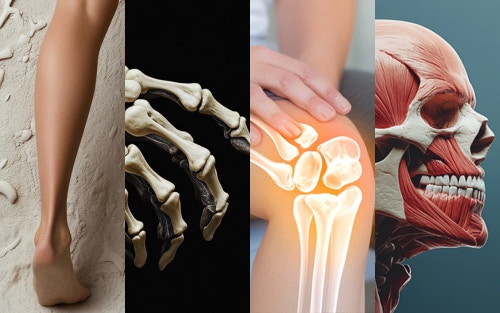
functions of collagen in the body, including skin health and joint support

Collagen is a workhorse protein, constituting about a third of the total protein content in the human body. The primary role of this tissue is to provide structure and strength. Additionally, it offers support throughout the body. Beyond connective tissues, collagen is essential for the structure of blood vessels and organs. It also aids in cell signaling, facilitating communication between cells and promoting tissue repair.

The functions of collagen in the body are manifold, impacting everything from skin health to joint and bone support. Let’s explore how collagen contributes to skin health and elasticity, joint and bone support, and muscle tissue repair and maintenance.

Skin Health and Elasticity

Collagen is a key player in maintaining skin health and elasticity. It provides firmness and suppleness, contributing to the skin’s resilience. The presence of collagen in the skin’s extracellular matrix adds elasticity and supports the protective barrier that keeps the skin hydrated.

As we grow older, the collagen levels in our skin diminish, resulting in the appearance of wrinkles, dryness, and sagging.. This process is a natural part of aging; collagen supplementation can mitigate the decrease in collagen levels, which research indicates may enhance skin hydration and elasticity.

By promoting the growth of new skin cells, collagen helps maintain a youthful, plump appearance.

Joint and Bone Support

Collagen is vital for the maintenance of cartilage, which cushions joints and helps prevent damage. It provides significant structural support to cartilage, ensuring proper joint function and mobility. Collagen also plays a key role in maintaining bone strength and density, which is essential for overall skeletal health.

Studies suggest that long-term collagen supplementation may aid in increasing bone mineral density, particularly in postmenopausal women. For those suffering from osteoarthritis, collagen supplements could potentially alleviate symptoms such as joint stiffness and pain.

Muscle Tissue and Connective Tissues

Collagen is crucial for the repair of muscle tissues after injury. It provides the necessary support to connective tissues, ensuring that muscles heal properly and maintain their strength and flexibility.

This makes collagen an essential component for anyone looking to maintain or enhance their muscle health.

Factors Affecting Collagen Production

factors affecting collagen production

The body produces collagen by turning protein from food into amino acids, which are then used to synthesize collagen molecules. However, several factors can affect this natural collagen production. Aging, sun exposure, smoking, excess alcohol, lack of sleep, and lack of exercise are all known to decrease collagen production.

Maintaining a balanced diet rich in protein, vitamin C, D, and zinc supports collagen levels as you age. Certain lifestyle habits, such as regular exercise and adequate sleep, can also help protect against collagen loss.

Examining how aging and lifestyle factors impact collagen production provides deeper insight.

Aging and Collagen Decline

Collagen levels naturally decline with age, typically starting after the age of 60. As we grow older, collagen in the skin becomes less organized, leading to decreased firmness and thickness. Oxidative stress and advanced glycation end-products (AGEs) contribute to collagen breakdown, making it stiff and rigid, which is a concern for those dealing with aging skin.

Hormonal changes, particularly lower estrogen levels after menopause, significantly reduce natural collagen production. These changes result in wrinkles, sagging skin, and reduced joint flexibility, underscoring the need to support collagen production as we age.

Lifestyle and Environmental Factors

Natural collagen production diminishes significantly due to factors like:

  • Excessive sun exposure, which is identified as the primary contributor to collagen degradation
  • Smoking
  • Pollution
  • Poor diet
  • Lack of sleep

These lifestyle factors can also damage collagen.

Avoiding damaging lifestyle habits is essential to reduce the risk of collagen damage. Daily precautions such as wearing sufficient sunscreen, a wide-brimmed hat, UV-protective sunglasses, and long-sleeved clothing can protect skin collagen.

A healthy diet, limited sun exposure, and a consistent skincare routine are also crucial for supporting natural collagen levels for healthy skin.

Boosting Collagen Naturally

foods rich in collagen and nutrients that boost collagen production

Natural collagen production supports skin elasticity, hydration, and overall health. Incorporating a variety of high-protein foods and vitamin-rich fruits and vegetables can enhance the body’s collagen production. Regular exercise and hydration also play a significant role in maintaining collagen levels.

Exploring the nutrients that support collagen production and collagen-rich foods can help you naturally boost collagen levels.

Nutrients That Support Collagen Production

Certain vitamins and minerals are essential for collagen synthesis. Vitamin C, zinc, copper, and manganese play critical roles in the collagen formation process. Proline and glycine are also important amino acids necessary for collagen production.

Egg whites, for instance, are a good source of proline, an amino acid crucial for the body’s collagen production. Including these nutrients in your diet supports healthy collagen production, maintaining the integrity of your skin, joints, and bones.

Foods Rich in Collagen and Amino Acids

High-protein foods, such as bone broth, are recommended for supporting collagen production. Citrus fruits and foods like pork skin provide nutrients that support collagen synthesis. Collagen-rich foods are broken down into amino acids upon digestion, which the body then uses to produce collagen.

Incorporating these foods into your diet can naturally boost collagen production, supporting overall health and vitality.

Collagen Supplements

collagen supplements available in different forms

Collagen supplements have become increasingly popular as a convenient way to support collagen production. Most collagen supplements are derived from animal sources, including hydrolyzed collagen, which is a common type used in supplements. These supplements can be consumed in various forms, including powders, capsules, and liquids.

Collagen peptides, which are broken-down forms of collagen, are easily absorbed through the gastrointestinal tract, making them an effective option for supplementation. Marine collagen, derived from fish, is particularly noted for its benefits to skin elasticity.

Examining the benefits and safety of collagen supplements provides useful insights.

Benefits of Collagen Supplements

Collagen supplements can enhance skin and skeletal health. They may reduce symptoms of osteoarthritis, improve skin hydration elasticity, and reduce wrinkles. Collagen peptides may also relieve pain and improve joint function in individuals with knee osteoarthritis.

For postmenopausal individuals with low bone mineral density, collagen supplementation can be particularly beneficial. Many collagen supplements also contain additional nutrients such as Vitamin C, biotin, and zinc, enhancing their overall effectiveness.

Safety and Side Effects

Collagen supplements generally have a favorable safety profile with minimal reported side effects. However, concerns have been raised regarding the presence of heavy metals in some supplements, and the FDA does not review supplements for safety.

Individuals with allergies to fish or shellfish should choose collagen supplements carefully to avoid adverse reactions.

Collagen Summary

Collagen is undeniably a cornerstone of our body’s structure and function. From skin health and joint support to muscle repair, its importance cannot be overstated. Understanding the factors that affect collagen production and how to boost collagen production empowers us to maintain our health, wellness, and vitality as we age.

Whether through diet, lifestyle changes, or supplements, supporting collagen production is a proactive step towards a healthier, more resilient body. Embrace the power of collagen and let it be your ally in the journey towards optimal health.

Frequently Asked Questions

What is collagen, and why is it important?

Collagen is the body’s most abundant protein, crucial for maintaining the structure and strength of connective tissues, skin, and bones. Its importance lies in its role in promoting overall health and tissue integrity.

How does aging affect collagen production?

Aging affects collagen production significantly, resulting in lower levels that diminish skin firmness and joint flexibility. This decline contributes to common signs of aging, such as wrinkles and reduced mobility.

What are some natural ways to boost collagen production?

To naturally boost collagen production, include high-protein foods and vitamin-rich fruits and vegetables in your diet while maintaining a healthy lifestyle. These changes can effectively enhance your body’s collagen levels.

Are collagen supplements safe to use?

Collagen supplements are generally safe, with minimal side effects, provided you select high-quality products to minimize contamination risks.

What are the benefits of taking collagen supplements?

Taking collagen supplements can enhance skin hydration and elasticity while also supporting joint health and increasing bone mineral density, which is particularly beneficial for postmenopausal women.

Foot Palace Massage Spa Athens

196 Alps Rd Ste 31, Athens,  GA 30606
(706) 521-5290

To view the original version on Foot Palace, visit: https://yourfootpalace.com/what-is-collagen/

Thursday, December 19, 2024

Grounding And Earthing – Techniques And Health Benefits

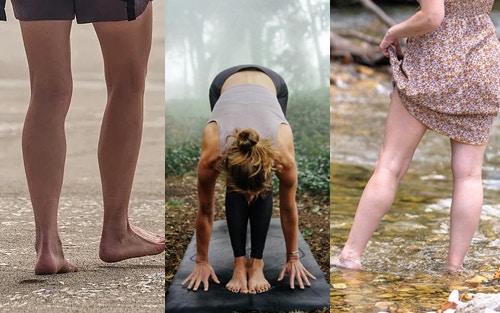
Have you ever wondered what grounding or earthing is and why people talk about it? Grounding/earthing means physically contacting the Earth to harness its natural energy. This simple practice, for example, walking barefoot on grass, is believed to improve well-being. This yourfootpalace.com article will cover the basics, techniques, and health benefits of grounding (earthing).

grounding or earthing

Key Takeaways

  • Grounding, or earthing, involves reconnecting with the Earth’s electrical energy through direct contact, promoting health benefits such as reduced inflammation and improved well-being.
  • Common grounding techniques include walking barefoot on natural surfaces, using grounding mats, and submersing in natural water bodies, which facilitate the transfer of electrons from the Earth to the body.
  • While generally safe, grounding practices should be approached with caution, especially for individuals with chronic conditions; consulting a healthcare provider is recommended before starting grounding techniques.

Understanding Grounding and Earthing

Grounding, sometimes called earthing, is the practice of reconnecting with the Earth’s electrical energy through direct contact with the surface. This can be as simple as walking barefoot on grass or using grounding mats and other devices designed to replicate the Earth’s natural charge indoors. Historically, humans had more direct contact with the Earth, which naturally grounded their bodies. Today, this connection is often lost due to modern living conditions, making intentional grounding an essential practice for restoring this vital bond.

The purpose of grounding is to promote healing and balance within the body’s electrical system. Reconnecting with the Earth’s surface electrons can potentially enhance well-being and address various health issues. Grounding is not just about physical contact; it’s about embracing a holistic health approach that includes outdoor and indoor grounding practices.

The following sections will explore the differences between grounding and earthing, how grounding works, and the various techniques you can use to incorporate this practice into your life.

Grounding vs. Earthing: Key Differences

Grounding or earthing is a broad concept encompassing various methods of reconnecting with the Earth’s energy, including using grounding devices and techniques. Earthing, on the other hand, specifically refers to the act of physically touching natural surfaces like grass, sand, or dirt. While both practices aim to enhance our connection with the Earth, earthing typically involves direct skin contact with the ground, which can be achieved through activities like walking barefoot, lying on the grass, or swimming in natural water bodies.

Adding grounding techniques to your routine can enhance your connection to the present moment. Simple activities like walking barefoot or using a grounding mat can profoundly affect how you feel and function daily.

Whether you prefer the tactile sensation of soft grass under your feet or the convenience of indoor grounding devices, both grounding and earthing offer unique benefits that can support your overall health and well-being.

How Grounding Works

Grounding works by transferring electrons from the Earth’s surface electrons to the human body. These electrons, which are abundant on the surface of the Earth, have natural anti-inflammatory and antioxidant properties that can help neutralize free radicals and reduce oxidative stress in the body. One of the primary ways to practice grounding is through direct skin contact with the Earth, such as walking barefoot on natural surfaces. This simple act allows our bodies to absorb the Earth’s electrons, potentially leading to various health benefits.

Incorporating grounding into your daily routine can enhance your overall well-being by providing a sense of connection to the Earth. Whether through outdoor activities like walking barefoot or indoor methods using grounding mats and devices, grounding can help restore balance in the body’s electrical system. As we explore different grounding techniques, you’ll discover practical ways to integrate this beneficial practice into your lifestyle.

Common Grounding Techniques

grounding techniques including mats

Grounding techniques create a conductive connection between the human body and the Earth’s surface. This connection can be achieved through various methods, each offering unique benefits. Common techniques include walking barefoot outdoors, lying on the ground, and using grounding mats or devices designed for indoor use. Spending time outdoors not only facilitates grounding but also contributes to a calming effect and enhances your overall well-being.

Spending time in parks or reducing electronics use in favor of outdoor activities can foster a stronger connection to the Earth. Regular outdoor walks and practicing grounding for 10 to 20 minutes daily can significantly enhance its benefits.

The following subsections will delve into specific grounding techniques, providing practical advice on how to incorporate them into your routine.

Walking Barefoot Outdoors

Walking barefoot on natural surfaces like grass, sand, and soil is one of the most effective grounding techniques due to its conductive properties. This simple practice allows for direct skin contact with the Earth, enabling the transfer of electrons and promoting various health benefits. To walk barefoot, whether a stroll in the park or gardening in your backyard, can enhance your sense of well-being and connection to nature.

Engaging in activities that facilitate physical contact with the soil, such as gardening, can also be beneficial for grounding. Emphasizing barefoot walking and gardening in your routine allows you to experience the calming and health-promoting effects of grounding. These simple, everyday activities can profoundly affect how you feel and function, both physically and mentally.

Using Grounding Mats and Devices

Indoor grounding can be achieved by using grounding mats and devices that replicate the Earth’s electrical energy, allowing you to practice grounding even when you can’t be outdoors. Tools like grounding sheets, mats, wrist or ankle bands, and adhesive patches facilitate the transfer of electrons from the Earth to your body. Grounding mats, for example, can be used while sitting or sleeping, providing continuous grounding benefits indoors.

Inspect all grounding equipment for damage before use to ensure safety and effectiveness. Additionally, grounding socks offer a convenient way to absorb electrons while walking outdoors, serving as an alternative to being barefoot. Grounding patches can also enhance the grounding experience.

Using these indoor grounding methods helps maintain a consistent connection to the Earth’s energy, enhancing overall well-being.

Submersing in Natural Water

Another effective grounding technique is submersing in natural water bodies, such as lakes and oceans. Water acts as a conductive medium, allowing the human body to exchange electrons with the Earth’s surface. Swimming in natural water bodies can facilitate grounding through direct contact with the water, promoting health and well-being.

Swimming in lakes or oceans helps your body recharge and reconnect with the Earth’s energy. This method not only offers the benefits of grounding but also provides a refreshing and invigorating experience. Incorporating water-based grounding into your routine can enhance your connection to the Earth and support overall health.

Health Benefits of Grounding

health benefits associated with grounding

Grounding offers a range of health benefits that can significantly improve quality of life by addressing common health issues such as inflammation, stress, and pain. Findings from controlled trials suggest that grounding practices may enhance sleep quality and help alleviate pain levels. Additionally, anecdotal and observational evidence indicates that grounding can improve mood, promote relaxation, and reduce stress.

The potential health benefits of grounding are vast, making it a valuable practice for overall well-being. Whether through outdoor activities like walking barefoot or using grounding mats indoors, grounding can support various aspects of health.

The following subsections will explore specific health benefits, including improved blood flow, reduced inflammation, and enhanced wound healing.

Improved Blood Flow and Reduced Blood Viscosity

Grounding has been shown to reduce blood viscosity, which can enhance blood flow and improve circulation throughout the body. This reduction in blood viscosity may lower the risks associated with cardiovascular diseases by allowing for better circulation. Grounding reconnects the human body with the Earth’s electrical energy, potentially providing various health benefits, including effects on cardiovascular health.

Grounding can enhance blood flow, reduce the risk of blood clots, and improve cardiovascular health by Decreasing blood viscosity; this improvement in circulation can lead to better oxygen and nutrient delivery to cells, supporting optimal physical function and reducing the risk of cardiovascular diseases.

Reduction in Chronic Inflammation

Grounding can significantly alter the inflammatory and immune responses, potentially leading to faster healing and reduced chronic inflammation. This practice may influence the levels of white blood cells and cytokines, which are crucial to the body’s inflammatory response. Research indicates that grounding can lower the levels of various inflammatory markers in the body, providing a universal anti-inflammatory remedy.

The reduction in chronic inflammation through grounding can have significant implications for managing autoimmune diseases and chronic inflammatory conditions. Grounding may alter the body’s inflammatory response, alleviating symptoms of chronic inflammation, promoting overall health, and supporting the immune system.

Enhanced Wound Healing

Studies suggest that grounding can facilitate faster wound recovery, reducing pain and improving circulation at the injury site. This improvement in circulation can enhance the overall healing process, allowing for quicker recovery times and reduced discomfort. Grounding has been shown to alleviate muscle soreness and enhance recovery from exercise-induced injuries.

A pilot study indicated that grounding significantly reduced muscle soreness and improved recovery times in athletes. Grounding supports the body’s natural healing processes, improving circulation and reducing pain, benefiting those recovering from injuries or surgery.

Potential Risks and Safety Precautions

safety precautions for grounding or earthing

While grounding is generally safe for most people, following basic health and safety precautions is essential to avoid potential risks. Here are some important considerations:

  1. Although most earthing techniques are low-risk, they can be hazardous without caution and care.
  2. Pregnant women should avoid digging in dirt due to toxoplasmosis risk.
  3. Individuals with chronic conditions should consult a healthcare provider before practicing earthing.

By adhering to these guidelines, you can ensure a safer grounding experience.

Utilizing conductive grounding products, such as earthing shoes, can help maintain grounding even when you are busy. Regularly check the grounding status of electrical outlets to use grounding products at home safely. Awareness of surroundings and proper use of grounding equipment can help ensure safety while practicing grounding.

Negative Side Effects

Some individuals may experience negative side effects from grounding, such as discomfort or flu-like symptoms. These symptoms might indicate that earthing is making someone feel worse, and it’s essential to tread carefully when exploring earthing’s claims due to the presence of unscientific assertions. Footwear with rubber soles doesn’t conduct electricity, which may lead to chronic footwear-related illnesses, highlighting the importance of proper grounding.

Individuals with chronic medical conditions should consult their healthcare provider before engaging in earthing practices. By being aware of potential side effects and taking appropriate precautions, you can safely enjoy the benefits of grounding.

Safe Practice Guidelines

Practicing safe grounding involves being aware of your surroundings and using earthing equipment correctly to reduce risks. Staying safe in murky or deep waters is essential when swimming for grounding. This helps to prevent accidents while in the water. Take proper precautions to avoid injuries when lying on the ground for grounding, such as choosing safe, clean areas free from sharp objects.

Following these safety precautions minimizes the risks associated with grounding, ensuring a positive experience. Whether you practice grounding indoors or outdoors, being mindful of your environment and equipment can help you safely enjoy the health benefits of this practice.

Grounding Research and Scientific Evidence

research studies of grounding and its effects

Current studies on grounding are primarily small but show potential benefits, highlighting the necessity for further investigation. Research has investigated the health effects of grounding. This includes inflammation, cardiovascular disease, muscle damage, chronic pain, and mood. While findings are promising, more research is needed to fully understand grounding’s health impacts and determine its efficacy in treating specific illnesses.

The implications of existing studies underscore the importance of continued research to validate the proposed benefits of grounding. The following subsections will discuss findings from randomized controlled trials and observational studies, providing insights into the scientific evidence supporting grounding practices.

Randomized Controlled Trials

Randomized controlled trials have documented rapid resolution of inflammation in patients after grounding treatments. These trials have shown a notable decrease in blood viscosity, enhancing cardiovascular health. In one study, grounding helped lower blood pressure, with an average reduction of 14.3% in systolic levels observed among participants, and hypertension improves blood pressure.

These findings indicate that grounding may have significant health benefits, particularly for cardiovascular health. However, the small sample sizes of these studies highlight the need for more extensive, more comprehensive trials to confirm these results and explore additional health impacts.

Observational Studies and Anecdotal Evidence

Observational studies and anecdotal evidence provide valuable insights into the benefits of grounding practices. Reported health benefits include improved blood flow, reduced inflammation, and faster wound healing. These findings suggest that grounding can positively impact various aspects of health, but more rigorous scientific studies are necessary to establish grounding’s effects.

Research on grounding is still emerging, indicating areas where further investigation is needed to validate the proposed benefits. As more research is conducted, we can better understand the full range of health implications associated with grounding practices.

Integrating Grounding into Daily Life

earthing integrated into daily life

Incorporating grounding into your daily routine can provide various health benefits, including improved sleep quality and reduced stress. Grounding helps regulate cortisol levels, enhancing overall sleep quality and promoting relaxation. Integrating grounding techniques into your lifestyle can lead to significant positive changes in well-being.

The following subsections will provide practical advice on simple daily practices and lifestyle adjustments that can help you incorporate grounding into your routine. These tips will make it easy to stay connected to the Earth’s energy and enjoy the health benefits of grounding.

Simple Daily Practices

Walking barefoot on natural surfaces like grass or sand is a straightforward way to practice grounding. This simple activity allows for direct skin contact with the Earth, facilitating the transfer of electrons and promoting wellness. Using grounding mats at home can simulate the effects of being in direct contact with the Earth when indoors, providing a convenient way to stay grounded.

Incorporating these simple grounding practices into your daily routine can enhance your connection to the Earth’s natural energy and promote overall wellness. Whether it’s through outdoor activities like barefoot walking or indoor methods like using grounding mats, these practices can make a significant difference in your health and well-being.

Lifestyle Adjustments

Adjusting your lifestyle to include grounding techniques can alleviate stress and improve mood, fostering overall health. Walking barefoot outdoors on natural surfaces like grass, soil, or sand allows for direct skin contact with the Earth, promoting grounding and enhancing well-being. Using grounding mats and devices indoors can help achieve grounding benefits, especially when outdoor access is limited.

Submersing in natural water bodies such as lakes, rivers, or oceans can effectively ground the body, providing an additional method for connection. Integrating these grounding techniques into daily life can be achieved through simple practices, ensuring consistency and accessibility.

Making these lifestyle adjustments can enhance well-being by alleviating emotional stress, improving mood, and promoting overall health.

Earthing Summary

Grounding, or earthing, offers a powerful way to reconnect with the Earth’s energy, promoting various health benefits, including improved blood flow, reduced inflammation, and enhanced wound healing. By incorporating grounding techniques into your daily routine, such as walking barefoot, using grounding mats, or submersing in natural water, you can experience significant positive changes in your well-being.

Embracing grounding practices can help alleviate stress, improve mood, and support overall health. Whether new to grounding or a seasoned practitioner, the insights and techniques discussed in this blog post can help you integrate grounding into your lifestyle and enjoy its many benefits. Start reconnecting with the Earth today and feel the difference it can make in your life.

Grouding and Earthing Frequently Asked Questions

What is the difference between grounding and earthing?

Grounding encompasses a range of methods to reconnect with the Earth’s energy while earthing specifically involves direct physical contact with natural surfaces such as grass or sand. Thus, earthing is a subset of grounding practices.

How does grounding work?

Grounding operates by facilitating the transfer of electrons from the Earth’s surface to the human body, which possesses natural anti-inflammatory and antioxidant properties. This process can effectively neutralize free radicals and diminish oxidative stress.

What are some common grounding techniques?

Common grounding techniques, for example, are walking barefoot outdoors, using grounding mats, and submersing in natural water, which help connect with the Earth’s energy. These practices promote health and overall well-being.

Are there any risks associated with grounding?

Grounding is typically safe, but individuals with chronic conditions or those on specific medications should consult a healthcare provider beforehand to mitigate any potential risks.

What are the health benefits of grounding?

Grounding provides significant health benefits, such as improved blood flow, reduced inflammation, enhanced wound healing, better sleep quality, and decreased stress. Embracing this practice can greatly enhance your overall well-being.

Foot Palace Massage Spa Athens

196 Alps Rd Ste 31, Athens,  GA 30606
(706) 521-5290

To view the original version on Foot Palace, visit: https://yourfootpalace.com/grounding-earthing-techniques-health-benefits/

Tuesday, June 20, 2017

Why Proper Sleep Posture Translates to a Happier Body

Your sleeping posture may be comfortable, but it could ultimately be the cause of some health issues. Improper sleep positioning has been linked to neck/back pain, poor circulation, sleep apnea, next day fatigue and even premature wrinkles. For the appropriate amount of sleep and tips to fall asleep faster, visit yourfootpalace.com/regular-sleep-promotes-healthy-minds/. For the common sleep positions and how they compare to one another, read on.

Sleeping On Your Side

Side Sleepers (Arm’s/Leg’s straight): Over 15% of adults find this position to be most comfortable. Although relatively few people sleep this way it does show to have positive benefits, notably its help for those with sleep apnea. Because the body is on its side gravity prevents the tongue from falling back into the throat passage, restricting airflow. This position has also been shown to help with acid reflux and alleviating back pain since the spine is elongated. The only downside to this is the increased likelihood of wrinkles via face to pillow contact throughout the night.

Side Sleepers (Fetal Position): By far the most popular sleep position with 41% of people favoring this pose, the benefits are fewer but the comfortability is definitely greater. This position is ideal during pregnancy (specifically lying on the left side) because it helps improve circulation in not only your body but the baby’s as well. Lying on your left side can also help relieve pressure being placed on your liver when you sleep. Although this is the most comfortable position, sleeping with your knees too tightly tucked and your chin tucked down into your chest/pillow can tighten the diaphragm, making it harder to breathe and leaving you sore in the morning. A trick to help with posture in this position is to tuck a pillow in between your knees.

Sleeping on Your Stomach

Stomach Sleepers: A majority of people find this pose to be uncomfortable and understandably so. Because you are on your stomach your neck and spine have a hard time lying flat, especially with a pillow under head, causing serious neck and back the next morning as well as trouble breathing. The upward angle of the neck constricts air flow and this is more so the case when the head is turned to either side. This angle also puts the most stress on the lower back of any sleeping position.

Sleeping on Your Back

Back Sleepers: Without a doubt, sleeping on your back allows for the greatest amount of support along the spine and neck. This support as well as spinal elongation helps to prevent upper and lower back pain as well as keeping your neck in a neutral position throughout the night. Keeping a pillow underneath the head will prevent acid reflux occurring during the night. One of the only downsides to sleeping on your back is airway blockage from your tongue. This can be a serious threat to those with sleep apnea due to the increased lack of breath. Your snoring might increase but with no face to pillow contact your likelihood of developing wrinkles earlier in life will definitely decrease.

Posture Affects Your Sleep

Although posture plays an important role in your sleep there are other factors such as your mattress and pillow type. For side sleepers placing a pillow between your legs helps to correctly align the spine. At the end of the day everyone falls asleep in the position which is most comfortable for them, but taking your health into consideration might just help you make the switch to a better night’s sleep.


Foot Palace Massage Spa Athens

1720 Epps Bridge Pkwy Ste 106, Athens, GA 30606

(706) 521-5290

To view the original version on Foot Palace, visit: http://http://www.yourfootpalace.com/why-proper-sleep-posture-translates-to-a-happier-body/  

Friday, April 28, 2017

5 Surprising Health & Beauty Benefits of Cold Showers

For me, waking up to a hot shower is one of the most relaxing ways to begin the day. However, there is the occasional morning where I am the last one to make it into the shower, leaving me with nothing but icy water and frustration. Despite how much we all might dislike cold showers, the benefits of taking them far outweigh the negatives.

In addition to your active wellness therapy at Foot Palace, simply turning the shower temperature down may help to improve your long-term physical and mental health.

Improved Hair & Skin Health

Although that hot shower may be the most comfortable way to wake up in the morning it may not be the best for your skin. Hot water can leave your skin dry and itchy long after you’ve gotten out of the shower, so it’s best to use cold water to tighten those pores which helps to prevent clogging. This tightening of the pores helps to prevent dirt and sweat from being trapped inside. Not only do cold showers show positive results with skin but with hair as well. The cold water helps to tighten the follicles, leaving you with the appearance of healthier, stronger and shiny hair.

Stress Relief

Surprisingly enough, research has shown that cold stimulation can actually lower stress levels. When exposed to cold stimuli the body increases its glutathione, an antioxidant that helps keep other antioxidants performing at optimal levels in the body. A 1994 study found a drastic decrease in uric acid levels during and following the body’s exposure to cold. According to the study repeated exposure to cold water led to adaptation of oxidative stress.

Ease Depression

Cold showers have been shown to relieve depression symptoms due to the intense impact of cold receptors in the skin, which send an overwhelming amount of electrical impulses from the peripheral nerve endings to the brain. Thus, it produces an antidepressant effect, and boosts moods, making it a pick-me-up. A 2008 study found that cold hydrotherapy has an analgesic effect, and does not appear to have noticeable side effects or cause dependence. This treatment included one to two cold showers of 38 degrees Fahrenheit, two to three minutes long, followed by a five-minute gradual adaptation to make the procedure less shocking.

Faster Muscle Recovery

We all know taking ice baths after training can reduce muscle soreness, but a quick cold shower after breaking a sweat at the gym can be just as effective. A 2009 study analyzing 360 people over seventeen trials found that 24-minute cold water baths were effective in relieving sore muscles one to four days after exercises with a water temperature of 50 to 59 degrees Fahrenheit, or 10 to 15 degrees Celsius.

Greater Circulation and Immune Health

Cold water can improve circulation by helping blood to surround our organs, which can then help combat some problems of the skin and heart. When cold water hits the body, its ability to get blood circulating leads the arteries to more efficiently pump blood, boosting our overall heart health. It can also lower blood pressure, clear blocked arteries, and improve our immune system.

If you enjoyed this information, visit yourfootpalace.com/10-wellness-tips-to-a-healthier-you/ for other health and wellness tips, and consider turning down your temperature so you can experience these benefits.


Foot Palace Massage Spa Athens

1720 Epps Bridge Pkwy Ste 106, Athens, GA 30606

(706) 521-5290

To view the original version on Foot Palace, visit: http://www.yourfootpalace.com/5-surprising-health-beauty-benefits-cold-showers/  

Tuesday, December 27, 2016

How Essential Oils and Aromatherapy Can Improve One’s Health


Our nose plays a huge role in our day-to-day emotional lives whether we realize it or not all through the smell of scents. The nose is a direct path to our limbic system which is our system that creates feeling and emotions. Our sense of smell is the most primitive of our senses and very powerful. We can detect at least one trillion distinct scents. The nose connects to the deepest part of the brain which triggers basic instincts, our emotions and memories. Offering your nose aromatherapy is a simple way to improve your overall health and quality of life.

What is Aromatherapy

Aromatherapy also known as essential oil therapy, is the use of naturally extracted aromatic essences from plants to help promote the health of body. Aromatherapy is an alternative medicine that offers many benefits and has been around for thousands of years. Essential oils can either be inhaled through the nose, applied directly to the skin or added to a bath to work emotionally or physically to improve one’s general state of health. This alternative medicine can help boost energy levels, reduce stress, ease depression, eliminate headaches, improve sleep, strengthen the immune system, reduce pain, improve digestion, and increase circulation just to name a few.

Types of Essential Oils


The most popular aromatherapy essential oil in the word is lavender. Lavender has a long list of uses and ranges from cosmetics to well-being remedies. Lavender oil is extracted from the flowers of the lavender plant that is fragrant in nature. Having a light fresh floral-herbaceous aroma. Lavender when inhaled is used to reduce anxiety and emotional stress, improve sleep and alleviate headaches. The essential oil applied to the skin can heal burns and wounds, restore complexion and reduce acne and improves psoriasis.

Jasmine oil nicknamed “queen of the night” is derived from the jasmine flower that has a strong small at night. Known to be the most popular oil for improving mood, balancing hormones and low libido. It’s “seductive” strong scent is a natural aphrodisiac that can increase sensuality and has libido-boosting qualities.

Clementine oil made from the peel of the succulent fruit with a smooth and shiny appearance is used in aromatherapy owing to its rejuvenating nature. With an amazingly sweet and crisp aroma. It offers purifying properties and uplifts the mood and enhances mental clarity.

Rosemary is one of the most powerful essential oils on the planet and is considered sacred by ancient Egyptians, Greeks and Romans. This essential oil is extracted from the leaves of the plant and is part of the mint family. With a woodsy evergreen like scent this essential oil is used to improve memory, relieve muscle aches and pains as well as soothe digestion. Rosemary has become increasingly popular over the last few years for its ability to stimulate hair growth as well.

One of the most studied essential oils with numerous health benefits is peppermint. Peppermint is a cross between the watermint and spearmint plant and the oil derives from the leaves. This essential oil aids in indigestion, respiratory issues, nausea, fever, pain relief, blood circulation and has antifungal properties. Due to the extensive research on peppermint oil, you can purchase it in capsules and it is prescribed by alternative medicine doctors.

Benefits of Various Aromatherapy Scents


Expect a heightened experience when combining aromatherapy, acupressure (http://spainathens.blogspot.com/2016/09/acupressure-therapy-basics-benefits-techniques.html) or other massage services. Lavender, Jasmine, Clementine, Rosemary and Peppermint are only a few of many beneficial aromatherapy scents offered in the markets today. Each of these 5 aroma scents offer a different aid in promoting the health of body. As part of the Foot Palace Aromatherapy package you can chose one of these essential oils to be applied directly to your skin carried in our oil and lotions, all of which are from Pure Plant-Based Ingredients. This allows your skin to feel nourished, supple, healthy and youthful while rejuvenating your senses and physical well-being. Let your nose choose the scent to improve your senses.


Foot Palace Massage Spa Athens

1720 Epps Bridge Pkwy Ste 106, Athens, GA 30606

(706) 521-5290

To view the original version on Foot Palace, visit: http://www.yourfootpalace.com/how-essential-oils-and-aromatherapy-can-improve-ones-health/